The Que Clan Ancestral Hall and Family Memory: From Historic Sites to Genealogical Records in Tracing Roots
The Que clan ancestral hall and related historical remains connect surname memory, local history, and family heritage. Clues such as the Queli memorial archway in Qufu and the Que family ancestral hall in Quejiazhen, Nanchong, can serve as entry points for root-seeking, but they also require item-by-item verification against genealogies, local gazetteers, and family recollections.
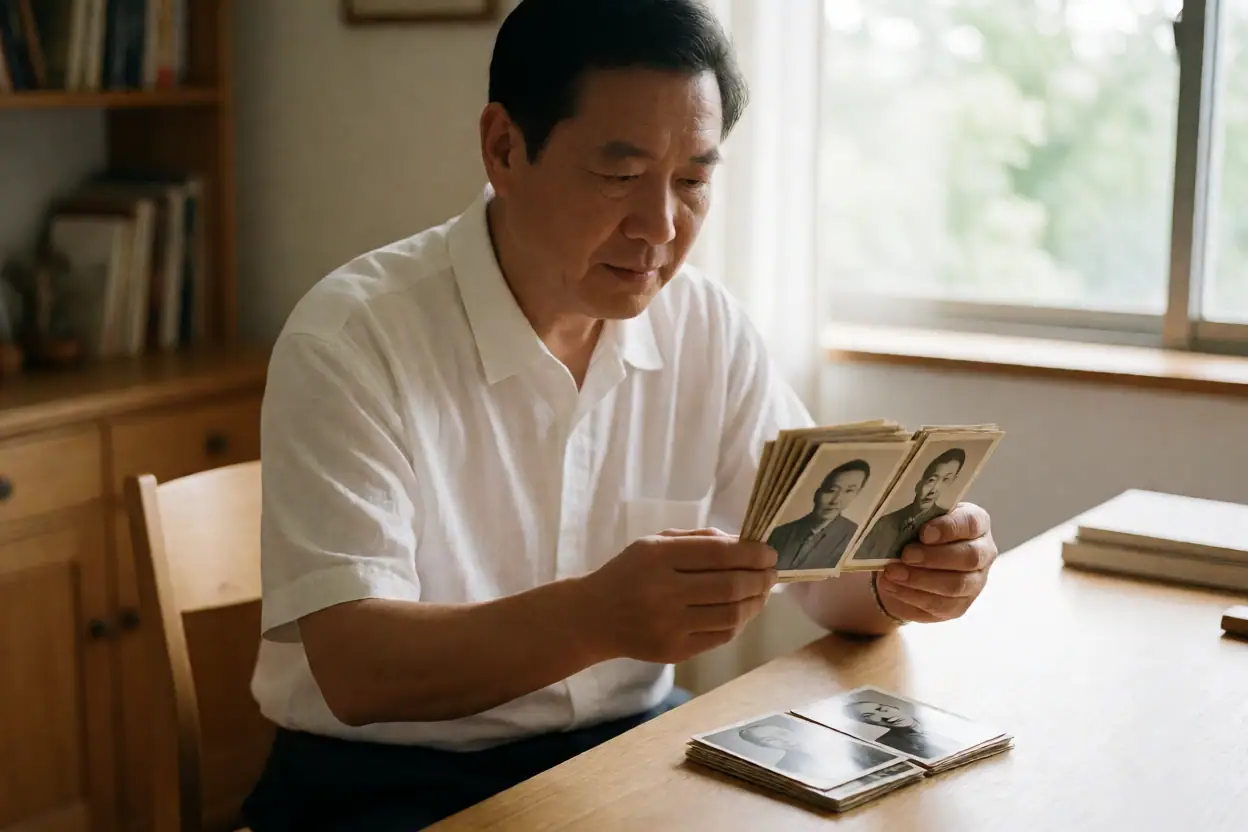
For a family, an ancestral hall is often more than a place for venerating ancestors. It is also an important space for preserving family memory, maintaining kinship ties, and passing on ethical values. Records of sites related to the Que clan are found in Shandong, Sichuan, and elsewhere. These include historic buildings and surviving place names, as well as ancestral halls built and used collectively by clan members in modern and contemporary times. Viewed together, these clues reveal traces of the Que family’s continuity and development in different regions. However, it should also be noted that identical place names or surnames cannot, by themselves, prove that clan members in different locations belong to the same lineage.
The Queli Archway in Qufu, Shandong, is one of the historic sites most frequently mentioned in materials concerning the Que surname. According to relevant records, the archway is located near the Temple of Confucius, follows a traditional paifang design, has undergone repairs in later periods, and is associated with the ancient place name “Queli.” The appearance of the term “Queli” in ancient texts indicates that the name has an early historical background. However, ancient place names, areas of settlement, and the distribution of surnames in later periods do not correspond in any simple way. Nor can the regional cultural significance embodied by the archway alone be used to establish the complete genealogy of any particular Que lineage. To further confirm its relationship with a specific family, it is also necessary to consult local gazetteers, inscriptions, prefaces to clan genealogies, and migration records.
The Que Clan Ancestral Hall in Quejia Town, Nanchong, Sichuan, reflects the efforts of contemporary Que clan members to continue ancestral rites and rebuild a shared memory. Some sources record that a ceremony related to the hall’s completion was held in May 2017, with representatives of Que descendants from different regions taking part. Such an ancestral hall serves not only a ritual function but may also provide a place for clan members to organize genealogical records, exchange information about lineage branches, and document family memories. The hall’s construction date, the people who participated, and the branches they represented should still be mutually verified against architectural inscriptions, ceremonial documents, local archives, and original genealogical records.
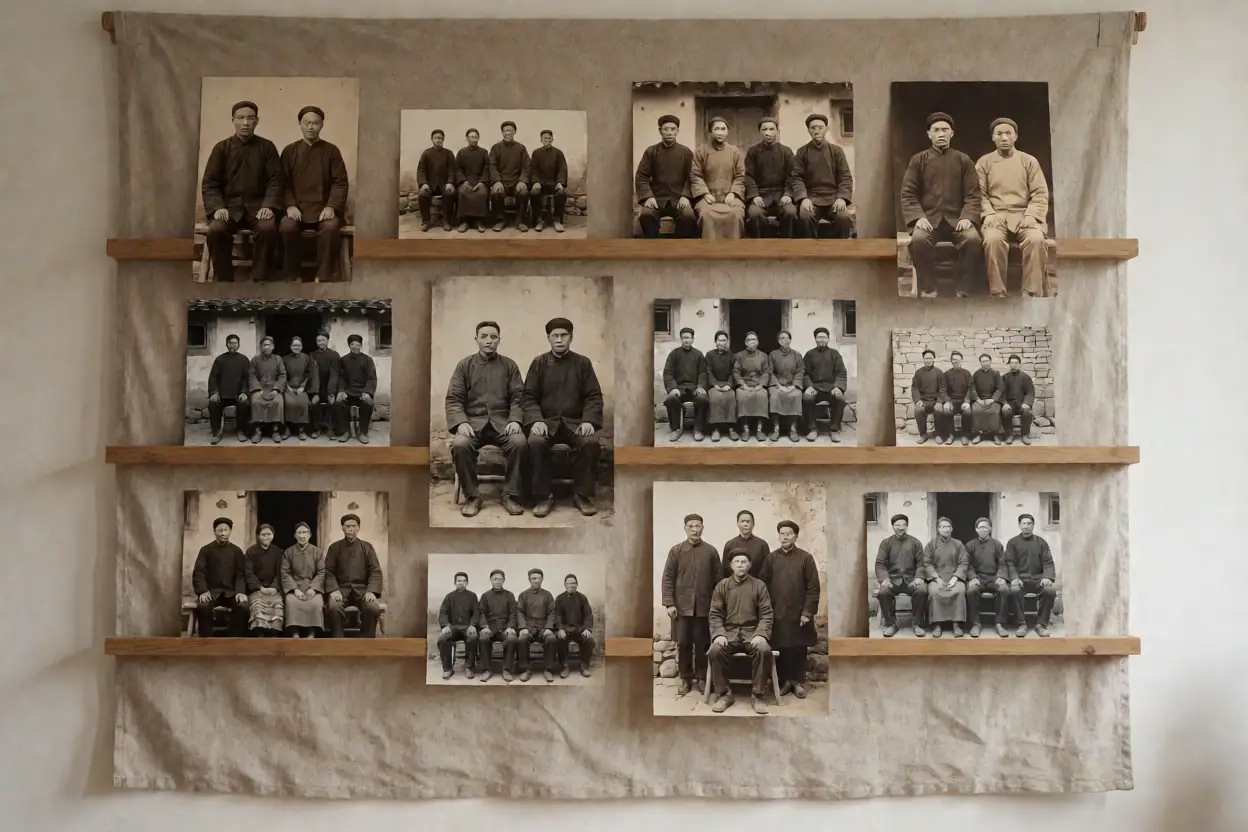
From the perspective of surname research, there are multiple accounts of the origins and development of the Que surname. Common explanations involve factors such as official positions associated with palace gates, the continued use of place names, and the integration of different population groups. Information such as the “Xiapi Hall” generation hall name can serve only as a clue for searching and comparison; it cannot be used to conclude that all people with the Que surname share a single origin. When organizing materials, family members should pay particular attention to the first ancestor to migrate to a given place, places of residence, generation names, burial sites, marriages, and the division of lineage branches. They should avoid drawing genealogical conclusions based solely on a generation hall name or oral tradition.
Genealogical research today can begin with basic information in surname databases, followed by cross-checking online family trees, family memoirs, and local gazetteers. Prefaces in old genealogies, dates of genealogical revisions, lists of contributors, and accounts of migration can often supplement the connections between ancestral halls and lineage branches. Local gazetteers and cultural heritage records, meanwhile, can help verify changes in place names, construction dates, and historical backgrounds. For missing pages, variant characters, copying errors, or content of uncertain date, the original form should be retained and points of doubt should be marked. Only after different types of materials have been mutually corroborated can the family memory embodied by Que clan ancestral halls be more reliably transformed into a traceable and discussable historical record.
Learn More and Verify
- Completion of the Lin Family Ancestral Hall Ceremony in Lianjia Geduo, Linfen, and Family Memory
- Clues about Guan-Surname Figures and Family Memory: From Source Analysis to Root-Seeking
- Migration Clues and Family Memory of the Da Surname: From the Western Regions to Various Parts of Shaanxi and Gansu
- Zou family memories and ancestral-root clues in the remains of the ancestral hall
Genealogy Knowledge and Methods for Compiling Genealogies · Finding Genealogies and Local Gazetteers · Organize family-root-seeking leads