Generation Names and Migration Clues of the Bin Surname: From Generational Ranking to Family Memory
The branches of the Bin surname are widely distributed, and existing sources record different generation names in Quanzhou and Pubei in Guangxi, Zhongjiang in Sichuan, Dazu and Yongchuan in Chongqing, and Hengshan in Hunan. Generation names can provide clues for locating relatives and organizing lineages, but they still require careful verification against genealogies, local gazetteers, and family memories.
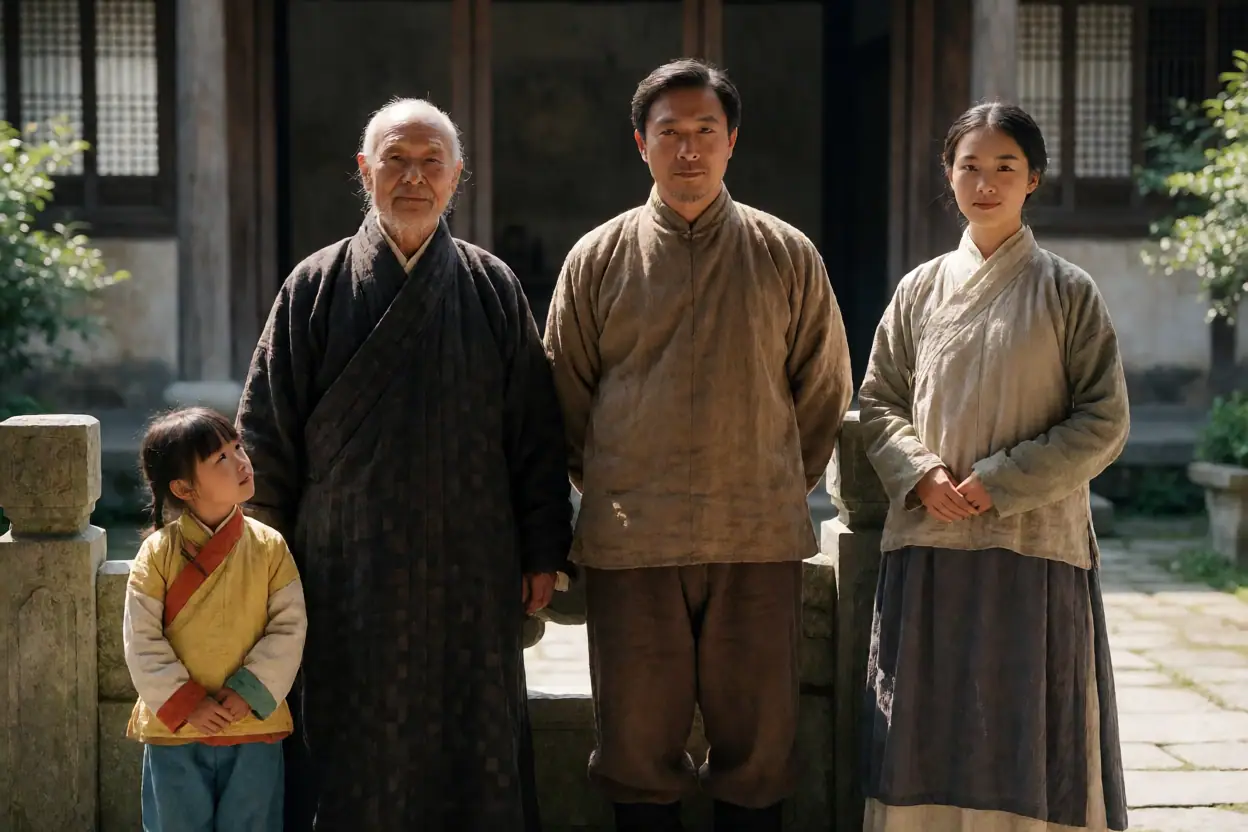
The heritage of Bin-surname families often leaves clues through generation names, lineage hall names, places of residence, and genealogical records. Existing surname materials list “Henan Hall” as one of the hall names of the Bin surname and mention Henan, Runan, and Jingzhao among the commanderies of origin or regional designations. They also record distributions of the Bin surname in Henan, Shandong, Hebei, Jiangsu, Anhui, and other places. However, commandery names and hall names primarily reflect historical memory, cultural identity, or branch traditions; these names alone cannot determine the direct ancestral origin of a particular family.
Based on the compiled generation-name materials, some Bin branches in Quanzhou, Guangxi, use the sequence “松竹继学惟启应甲汝丙辛仲,” followed later by “以世朝廷时付宏国正民安永孝忠.” The opening of the generational ranking differs among other Quanzhou branches, but the later section includes wording similar to “自绵俊业怀恩泽雍睦敦伦景福长.” The presence of identical or similar generation names may reflect genealogical links between branches, but it may also result from later revisions, the merging of genealogies, or the adoption of similar family-instruction wording. The specific relationship should still be determined by the records in the original genealogy.
In the Zhongjiang area of Sichuan and the Dazu area of Chongqing, the materials include the generational ranking “一朝宏国正世代有贤良理义通权道登明达上邦.” A Bin branch in Binjiabao, Sanjiao Town, Yongchuan District, Chongqing, is recorded as “国正天心顺德明永定芳承先高尚祖万代启荣光.” Both sets of generation names reflect a tradition of valuing virtue, family ethos, and aspiration, but similar wording does not mean that Bin-surname families in different places necessarily share the same ancestry. The sequence recorded for a branch in Hengshan, Hunan—“律本懋修仕显鸿猷光昭志典阀阅延庥”—and that of Tianzhu Village, Guandu Town, Pubei, Guangxi—“振德兴贤开哲嗣发祥裕庆广宏基”—illustrate how branches in different places independently arranged their generation names.
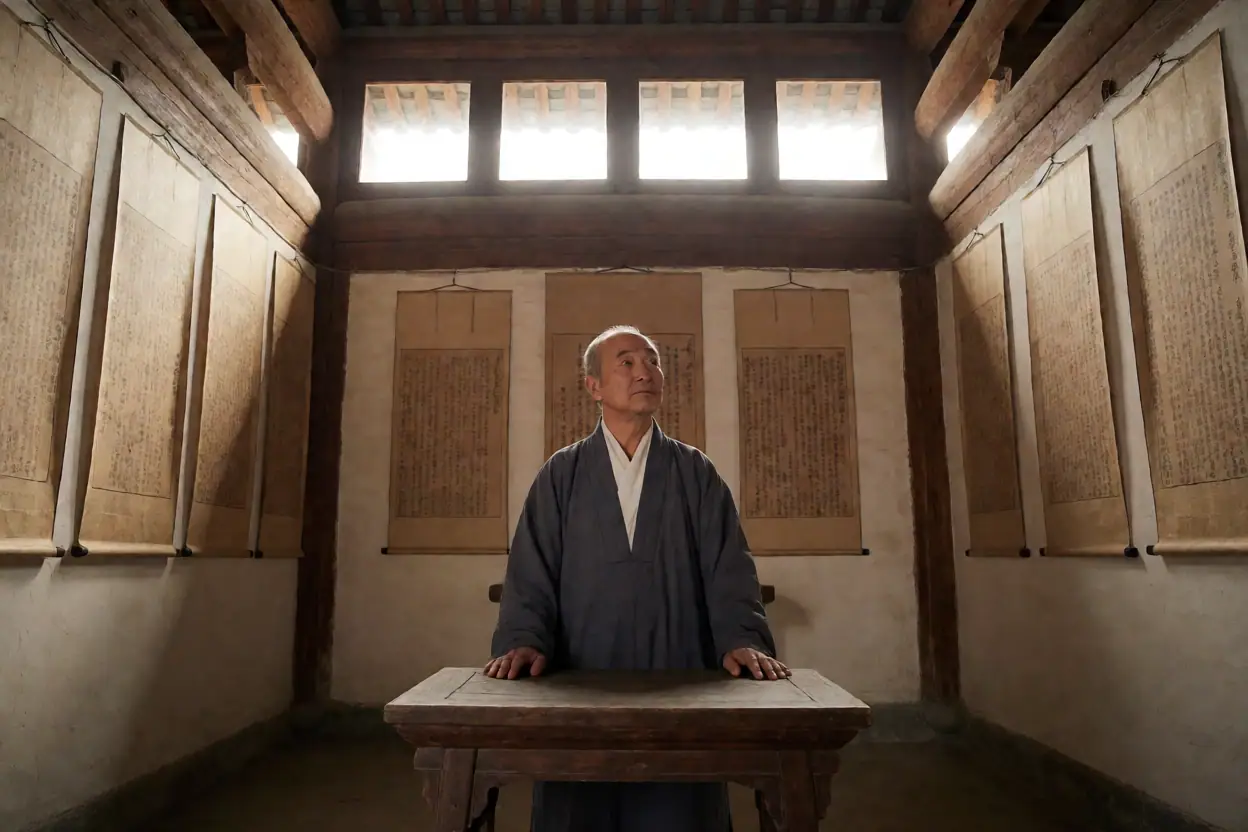
For Bin-surname members tracing their roots, generation names can first be used to compare age-based generations, the names of fathers and grandfathers, and directions of migration, and then cross-referenced with lineage tables, prefaces, burial information, ancestral-hall records, and local gazetteers in the family genealogy. Online genealogies are useful for searching genealogies from other places and organizing known family members, while family memoirs can supplement details of everyday life, such as migration, marriage, and occupations. Local gazetteers can help verify changes in village history, administrative divisions, and historical figures. If different materials conflict, the original wording should be retained, sources should be cited, and uncertainties should be noted, so that oral legends are not directly written as a definitive ancestral lineage. Only through gradual cross-verification using surname databases, genealogical searches, and interviews with family members can the transmission and development of a particular Bin family branch be reconstructed with reasonable confidence.
Learn More and Verify
- The Distribution and Migration Clues of the Xi Surname in Hebei: From Village Memories to Genealogical Research
- Distribution and Migration Clues of the Luo Surname: From Regional Records to Family Roots
- Migration Clues and Family Memory of the Da Surname: From the Western Regions to Various Parts of Shaanxi and Gansu
- Clues to the Migration of the Zhang Surname in Anxi and Family Memories
Genealogy Knowledge and Methods for Compiling Genealogies · Finding Genealogies and Local Gazetteers · Organize family-root-seeking leads