Historical Figures and Branch Clues of the Hou Surname: From Historical Records to Family Root-Seeking
Historical figures bearing the Hou surname appear in records concerning Tibetan commanders, figures of the Five Dynasties period, and related regional clues, but these individuals may not have shared the same ancestry or branch. Only by cross-checking genealogies, local gazetteers, and family memories can the distribution, migrations, and lineages of the Hou surname in different regions gradually be clarified.
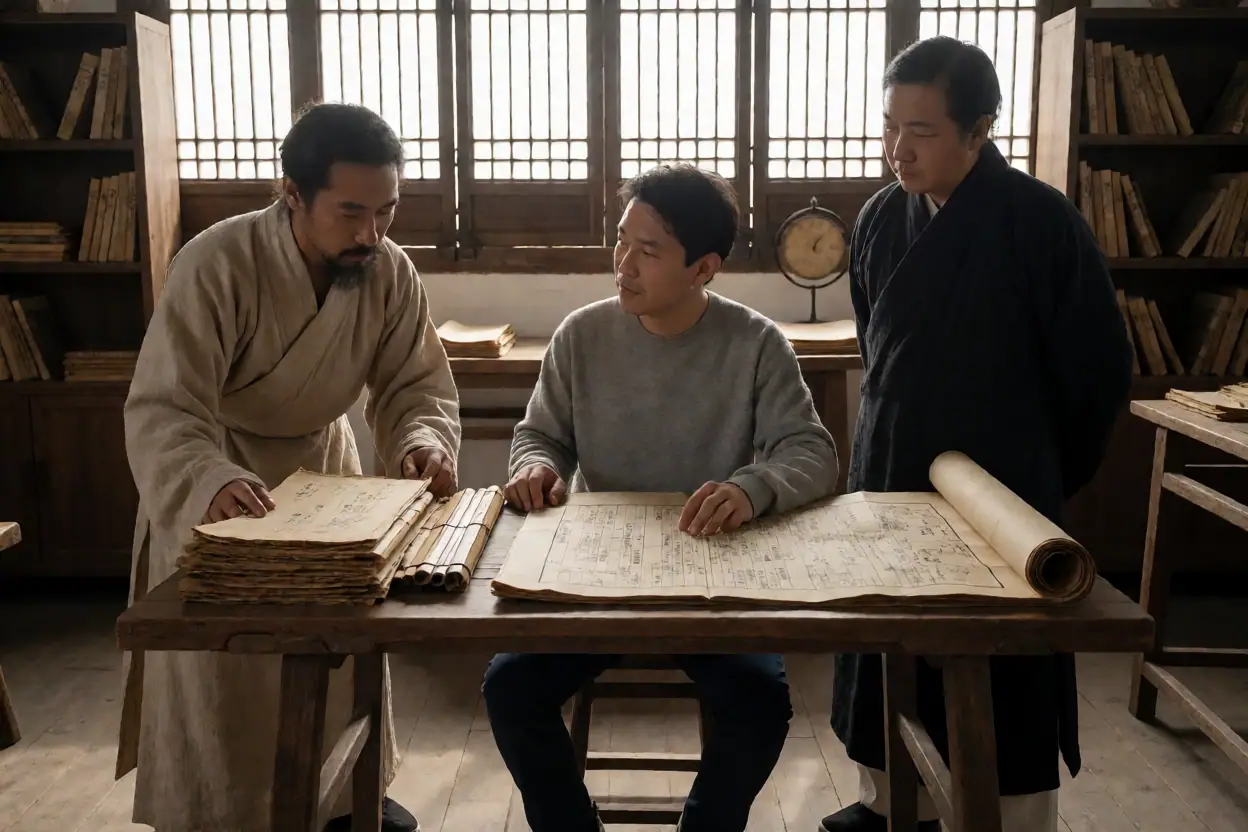
The historical materials available on the Hou surname cover a relatively broad range, including both individual biographies and clues concerning family transmission and regional distribution. In the existing records, Hou Chenggong, Hou Guangji, Hou Liangru, and Hou Yongheng are listed as members of the Tibetan Hou clan. Some materials connect them through relationships such as “grandson of Hou An” and “son of Hou Guangji,” indicating a relatively clear line of family transmission. Hou Guangji was once ordered to garrison the area around Lintao and later died in battle; his son, Hou Liangru, inherited his post, while Hou Liangru’s son, Hou Yongheng, is recorded as a shengyuan in the Minzhou area. These accounts involve Ming-dynasty military and administrative titles and local activities. The specific evolution of the official posts, the timing of their succession, and the family relationships should still be checked against local gazetteers, epitaphs, original genealogical records, or other contemporaneous documents.
Another figure found in the sources, Hou Zan, is recorded as a native of Xiaqiu in Yanzhou during the Five Dynasties period. He once held an office associated with the Later Han, later became caught up in political changes, and was ultimately punished around the time the Later Zhou was founded. The period in which this figure was active, the names of his offices, and the related political events should be further confirmed through official histories and chronological texts. Since the character “后” in ancient texts may appear in imperial titles, official designations, or personal names, it is essential when compiling the material to distinguish surnames, titles, and textual variants; family connections cannot be established solely on the basis of identical wording.
Materials on the Hou surname also frequently contain clues relating to Donghai Commandery and Yuzheng Hall, such as ancestral commandery designations or hall names. However, the use of a commandery designation or hall name may span multiple regions, and repetitions may also arise through later genealogical revisions, migration, or clan members’ shared identification. Sharing a surname does not mean sharing the same clan, especially among Hou-surname groups from different ethnic backgrounds, regions, and historical periods. Blood relationships cannot be determined solely from a surname, hall name, or tradition concerning a shared ancestor. The founding ancestor of the Hou surname, the starting point of its origins, generation names, and migration routes still require branch-specific evidence to be verified item by item. Mythological or legendary figures such as Hou Yi likewise cannot be directly regarded as the common ancestor of actual Hou-surname families.
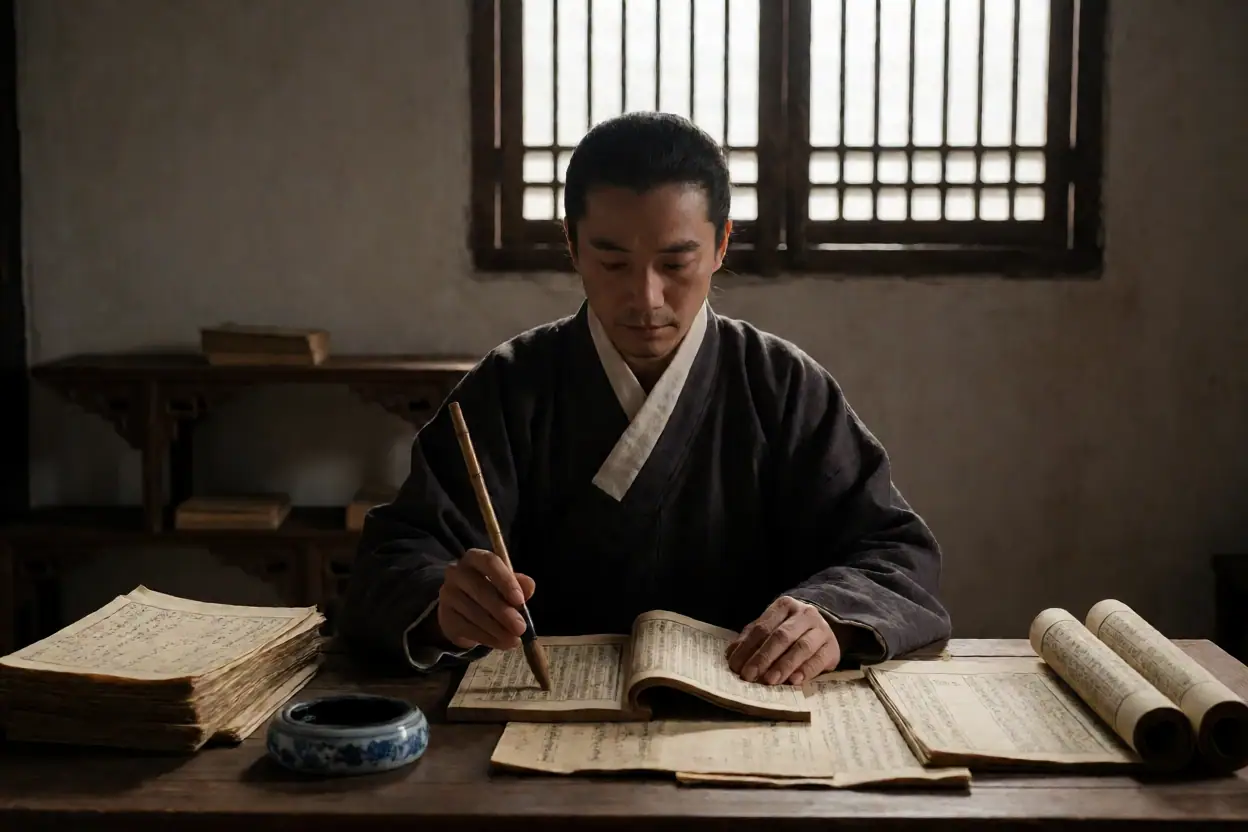
When tracing the roots of the Hou surname, begin by recording surviving family genealogies, tomb inscriptions, ancestral-hall plaques, ancestral places of residence, generation names, and oral memories, then organize them by generation, marriage, place of relocation, and chronological order. Online genealogies can help identify people with the same name, similar generation names, and regional clues; family memoirs help preserve migration stories and local memories; and local gazetteer databases can assist in verifying changes to villages, the offices held by individuals, and historical place names. Surname databases can provide search access to commandery designations, hall names, and related documents, but the final lineage should still be based on original records that corroborate one another, with a reliable branch genealogy established gradually.