Consultation and Genealogical Research Leads for the Shude Hall Ju Clan Southern Ju Village Branch Genealogy
The Shude Hall Ju Clan Genealogy: Nanju Village Branch Genealogy currently appears to be a 2-volume work compiled around one Ju clan branch in Nanju Village. Existing materials do not yet show a clear compilation date, compiler, or complete lineage; when consulting it, the genealogy pages, local gazetteers, and family memories should be cross-checked item by item.
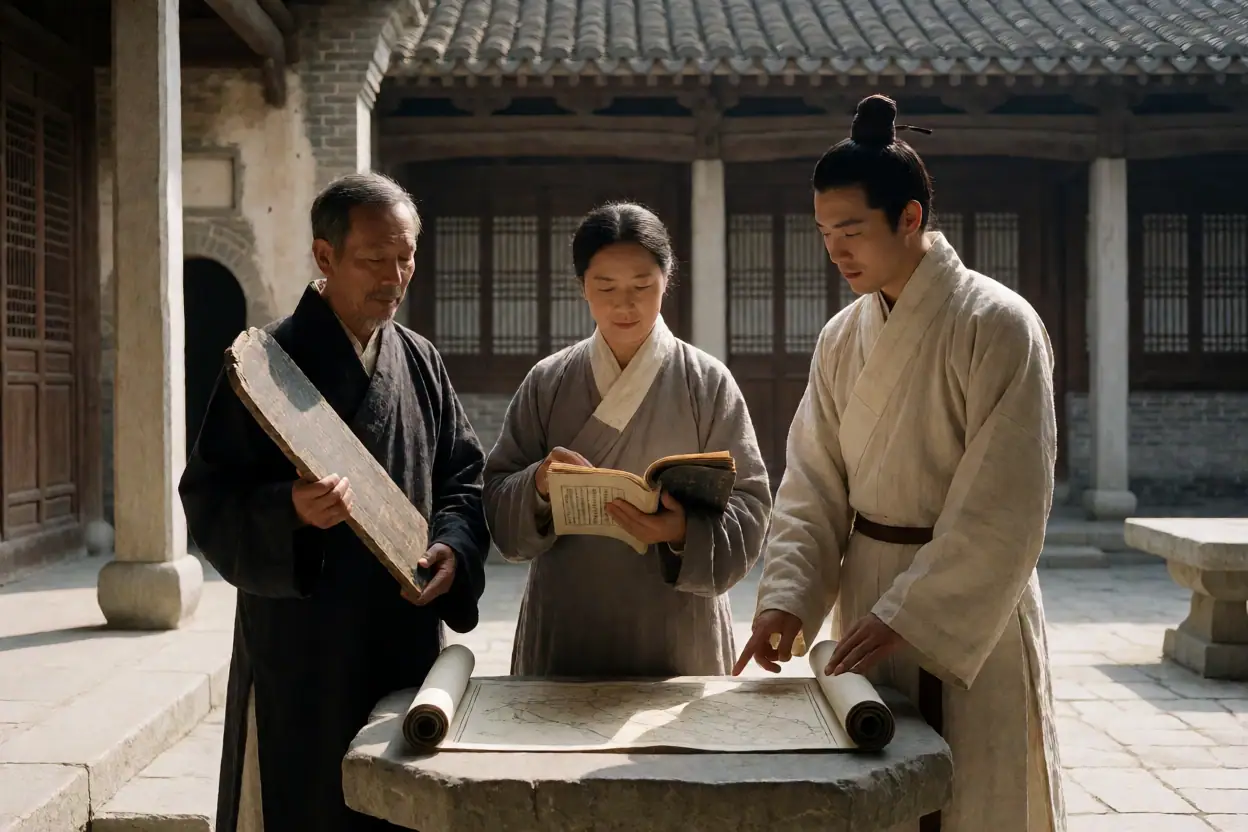
The Shude Hall Ju Clan Genealogy: Southern Ju Village Branch is a genealogical record centered on Southern Ju Village that documents a local branch of the Ju clan. It is currently recorded as a complete two-volume set. “Shude Hall” provides information about the hall name, while “Southern Ju Village Branch Genealogy” suggests that its compilation may have focused on a specific settlement and the network of its descendants. The hall name or village name alone is not sufficient to directly establish a shared founding ancestor between this branch and Ju clan branches in other areas.
From the perspective of surname studies, the origins, migrations, and distribution of the Ju clan should be examined separately. A surname may have developed multiple branches during different historical periods, and people with the same surname may also have developed different genealogical lines through migration, surname changes, marriage, or changes in local society. Accordingly, when consulting this genealogy, priority should be given to the prefaces and postscripts, explanatory notes, lineage charts, recorded biographies, migration records, ancestral hall and property records, and burial records. These should be examined for clear statements about the founding ancestor who first migrated to the area, the original place of residence, the reasons for migration, and the branching and proliferation of the lineage. Ancient ancestors, commandery affiliations, hall names, or remote origins mentioned in the genealogy should be distinguished between genealogical tradition and historical facts that can be corroborated by other sources.
The place name Southern Ju Village is an important starting point for local genealogical research, but its county, township or town, and historical changes still need to be established. Villages with the same name are common, and administrative divisions may also have changed over time. If the area where the village is located can be confirmed, the people, ancestral halls, burial grounds, rivers, neighboring villages, and places of migration mentioned in the genealogy can then be compared with local gazetteers, old maps, inscriptions, contracts, and population records. Local gazetteers are generally useful for verifying changes in place names, the formation of settlements, and the activities of individuals, while family memoirs can supplement oral information about modern and contemporary migration, division of family property, occupations, and kinship relationships.
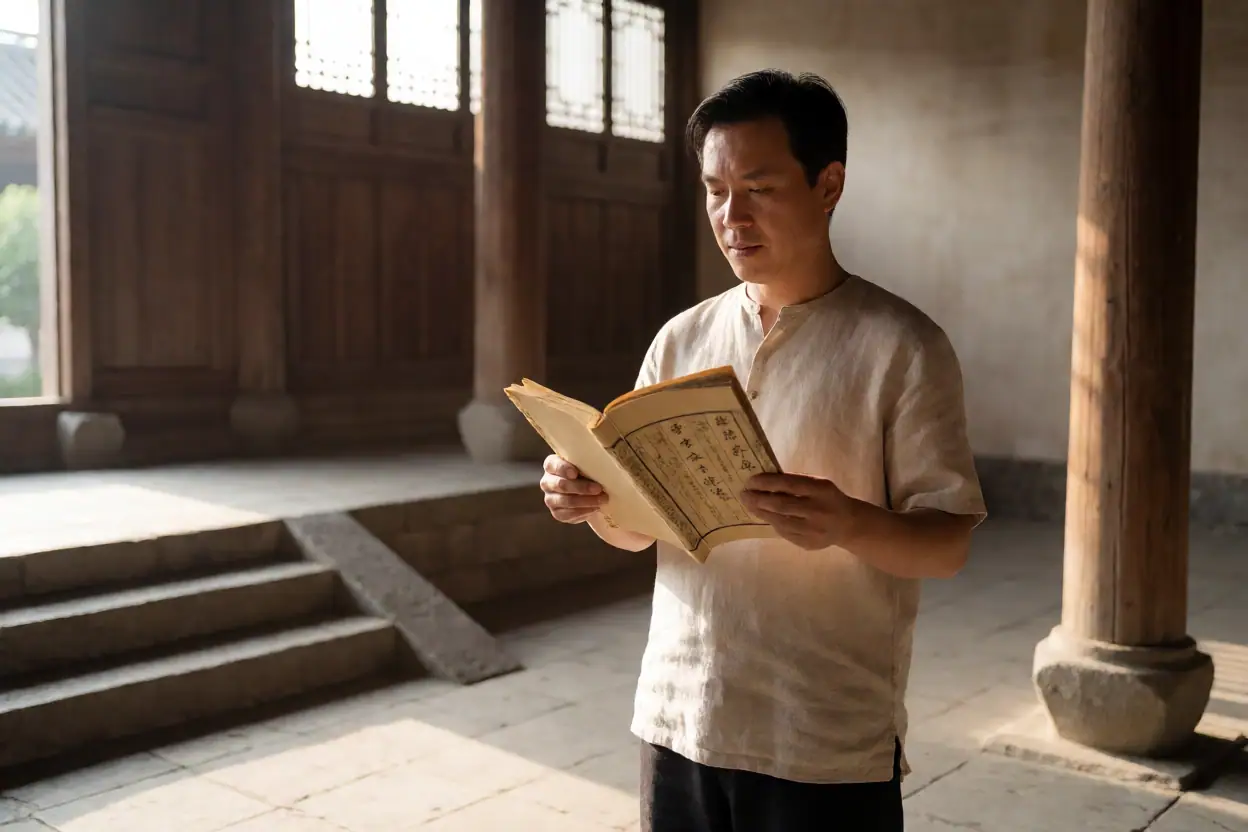
For practical consultation, it is advisable to begin by creating an index of individuals, recording each ancestor’s personal and courtesy names, dates of birth and death, spouse, children, place of residence, and source of information. When individuals share the same name, distinguish them by their parent-child relationships, birth order, burial places, and dates. If the family retains old genealogies, ancestral spirit tablets, photographs of tombstones, household-division documents, or information about the ancestral home, the physical source and preservation status of each item should also be noted and cross-checked against the genealogy item by item. Online genealogical materials can be used to organize leads and broaden the scope of comparison, but they cannot replace careful examination of images of the original genealogy and materials collected in the field. Only through cross-referencing surname materials, genealogical literature, family memories, and local gazetteers is it more likely that the historical development of the Ju clan branch in Southern Ju Village can gradually be clarified.