Orthographic Clues and Genealogical Research Paths for the Kongtong Surname
Kongtong is a compound surname that still requires continued investigation in the available materials. Existing clues involve claims concerning the Zi surname, the place name Kongtong, and the later simplification to the single surname Kong, but they are not yet sufficient to confirm a common ancestral origin for all people bearing the Kongtong surname. Research should begin with family genealogies, tomb inscriptions, local gazetteers, and migration memories, comparing the evidence item by item.

Kongtong is a relatively uncommon compound surname. Existing surname sources include it among surnames requiring further supplementation. At present, sufficiently consistent and mutually corroborating records remain lacking regarding its pinyin, ancestral commandery, hall name, areas of distribution, generation names, and specific counties. Therefore, when discussing the Kongtong surname, it is first necessary to distinguish between compound-surname records in historical documents, family designations in later genealogies, and branches that may have changed their surname to Kong in everyday life. Shared written forms alone cannot establish that they belong to the same lineage.
Regarding the origin of the Kongtong surname, the main clues point in two directions: pre-Qin surnames and place-name traditions. One view holds that descendants of the Shang people were enfeoffed in or lived in Kongtong and later adopted the place name or fief as their surname. Another associates Kongtong (空桐) with Kongtong (空同) and Kongtong (崆峒), suggesting that related branches may have taken their surname from names of mountains, rivers, or regions. Some sources also propose that certain members of the Kongtong lineage later omitted the character “tong,” resulting in the surname Kong. These accounts still contain points requiring clarification across written forms, geographic origins, and genealogical lines, and cannot be directly treated as the confirmed ancestral origin of any particular branch. In particular, different versions often exist concerning ancient figures, the locations of fiefs, and the evolution of surnames; these must be examined in conjunction with primary sources, commentaries from successive periods, and changes in local administrative geography.
From the perspective of family research, genealogical work on the Kongtong surname can begin by organizing verifiable modern and contemporary records: ancestral villages, dates of migration, the name of the founding ancestor of the migration, ancestral grave locations, former ancestral-hall sites, handwritten genealogy copies, and contracts and ritual records preserved by the family. If genealogical records state that the surname was changed “from Kongtong to Kong,” that it was changed to avoid a taboo, or that it changed because of marriage migration, military registration, or household-registration records, the original surname, current surname, and the generation in which the change occurred should be recorded separately. For migrations since the Ming and Qing periods, place names in genealogies can also be cross-checked against local gazetteers, changes in administrative divisions, and population-migration records to avoid mistaking villages with the same name for the same ancestral place of residence.
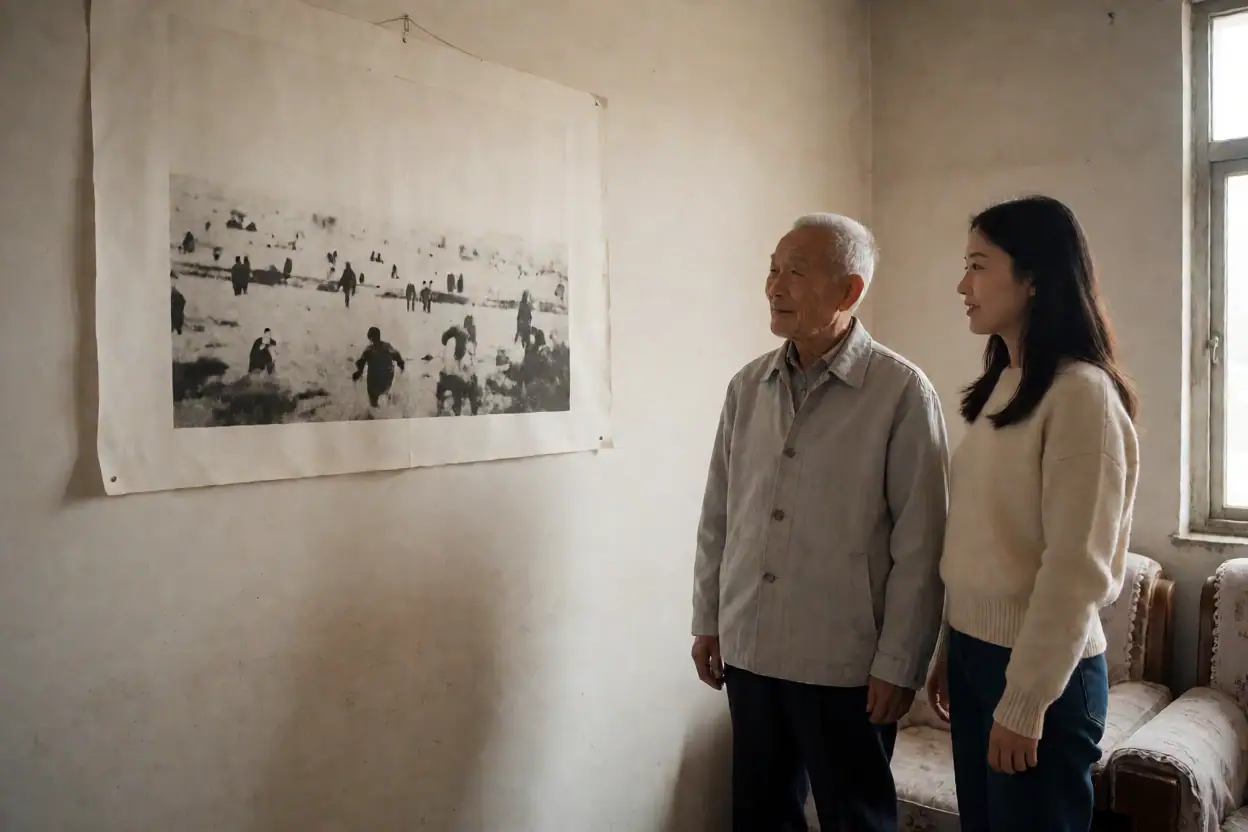
Online genealogies are useful for identifying leads, comparing generation names, and finding potential partners for compiling linked genealogies, but their records still need to be compared with material documents and family oral histories. Family memoirs can supplement information on migration routes, the division into family branches, and the experiences of important figures, while local gazetteers can help confirm former village names, ancestral halls and graves, historical figures, and the range of clan activities. Only when Kongtong- or Kong-surname families in different regions correspond in their founding ancestors of migration, generation names, hall names, and migration milestones can relationships between branches be discussed further; a shared surname, similar hall name, or common tradition alone is still insufficient evidence that they belong to the same lineage.
Learn More and Verify
- Clues to the Distribution and Ancestral Origins of the Gong Surname: From Areas of Concentration to Genealogical Verification
- Clues to Jiang Clan Genealogies in Hebei and Paths for Genealogical Research
- Clues about Figures of the Zha Surname and Family Memories: From Identifying Notable Figures to Tracing Family Roots
- Clues to the Distribution of the Ma Surname in Hongdong and Pathways for Tracing Family Roots
Genealogy Knowledge and Methods for Compiling Genealogies · Finding Genealogies and Local Gazetteers · Organize family-root-seeking leads