Why Does Genealogical Research into the Bei Surname Sometimes Reveal No Name in the Family Tree?
A descendant of the Bei surname living overseas tried to trace a family branch in Suzhou, only to find that the genealogy in hand shared similarities with local Bei-surname materials while also containing gaps. This case shows that clan relationships cannot be determined solely from a surname and portions of a genealogy.
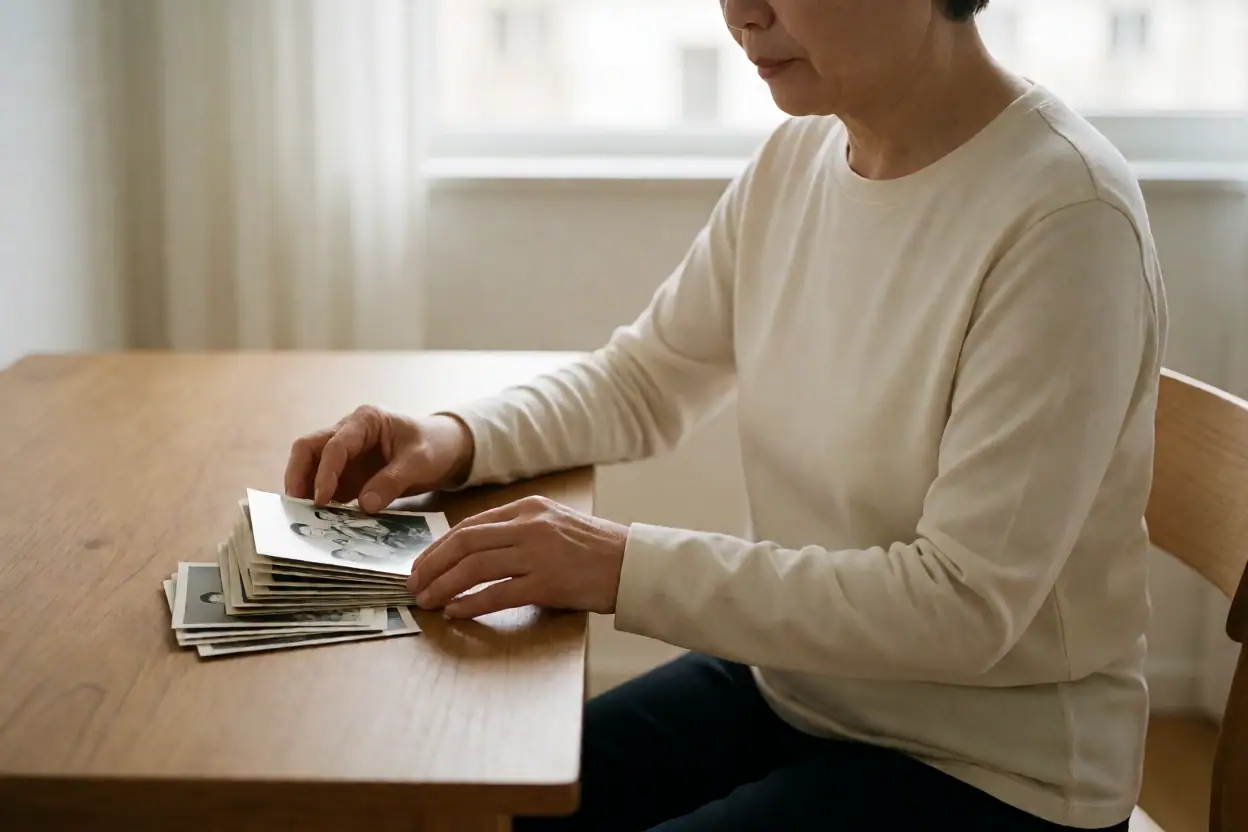
In family ancestral research, sharing a surname is often only the starting point of a lead and cannot directly prove that two people belong to the same lineage. When descendants of the Bei surname search for their ancestral home or verify their lineage, they may encounter the following situation: pages in their possession correspond in part with a Bei family genealogy from a particular place, yet contain no record of themselves or of ancestors from several generations earlier. Although this may appear contradictory, it may actually be related to the division of family branches, migration, methods of updating genealogies, and the condition in which the genealogical records have been preserved.
A case involving ancestral research into the Bei family of Suzhou indicates that a Chinese person surnamed Bei living in Australia once traced his ancestral home using clues from a family genealogy. The materials he consulted stated that, before modern times, the Bei family had divided into multiple branches, one of which was associated with the family of Bei Yuming, but he was still unable to determine which branch he belonged to. After comparing their materials with descendants of the Bei family in Suzhou, the two sides found that some records were similar, while other lines of descent could not be connected. Existing accounts also mention that the relevant family genealogies may have undergone multiple repairs and revisions, resulting in differences between versions.
The absence of a name from a clan genealogy does not necessarily mean that the clues to one's ancestry are incorrect. Historical warfare, relocation, the establishment of separate branch genealogies, and clan members living away from home for long periods could all have caused genealogical records to be lost or interrupted. When genealogies were revised later, the different branches may have possessed different old records, which could also have resulted in several versions containing discrepancies. For descendants living overseas, name changes, changes in the use of generation names, dialect transcription, and the transliteration of names on official documents can further complicate comparison. Therefore, determining whether two lines of descent are connected usually requires examining names, courtesy names, spouses, children, places of residence, graves, ancestral hall records, and local historical documents together.
Existing surname records associate the Bei surname's traditional ancestral seats and distribution clues with places including Qinghe, Wuxing, and Henan, and list historical distributions in Zhejiang, Jiangsu, Shandong, Henan, Guangdong, and other regions. Some Bei family records also include the hall name "Qinghe Hall." However, sharing the same hall name does not mean that clan members in different places necessarily belong to the same lineage, and an ancestral seat cannot, on its own, prove descent from a particular ancestor. Claims concerning the origins of the Bei surname, the place name Beiqiu, and specific branches should be assessed on the basis of genealogical records, local gazetteers, and material evidence that can corroborate one another.
A more reliable approach to ancestral research is to begin by organizing the genealogy pages, photographs of gravestones, ancestral place names, oral accounts from elders, and dates of migration that remain in the family. One can then search online genealogies for possible individuals with the same name and information about family branches, while also consulting local gazetteers and ancestral hall records. Family memoirs can help preserve oral clues, but their dates and stated relationships still need to be verified point by point. If a gap between generations appears in different genealogical records, certain information, speculative information, and matters still awaiting verification should be marked separately, avoiding the forced acceptance of a relationship merely to complete the lineage. In cases of this kind, the significance of supplementing a genealogy lies not only in finding a name, but also in clarifying how the different versions came into being, so that later generations will know which records are reliable and which still require further evidence.
Learn More and Verify
- The Lian Clan Ancestral Hall in Nanfenggou, Xiangyuan, and Clues for Tracing the Origins of the Dilian Surname
- The Origins and Lineage of the Da Surname and the Legacy of Guangling Hall: From Surname Memory to Genealogical Research
- What the Seventh Revision of the Tang Clan Genealogy Reveals About Reading Genealogies and Tracing Ancestry
- Yang Surname Generation Names and Methods for Tracing Family Roots Through Genealogies
Genealogy Knowledge and Methods for Compiling Genealogies · Finding Genealogies and Local Gazetteers · Organize family-root-seeking leads