Reading the Guo Family’s Memories and Genealogical Research Clues through “Tianbaodang”
An old residence in Qiqihar known as “Tianbaodang” preserves local memories of the Guo family’s migrations, military service, official careers, and family life. Verifying the residence, the people connected with it, and the genealogical records can help clarify how family narratives correspond with local history.
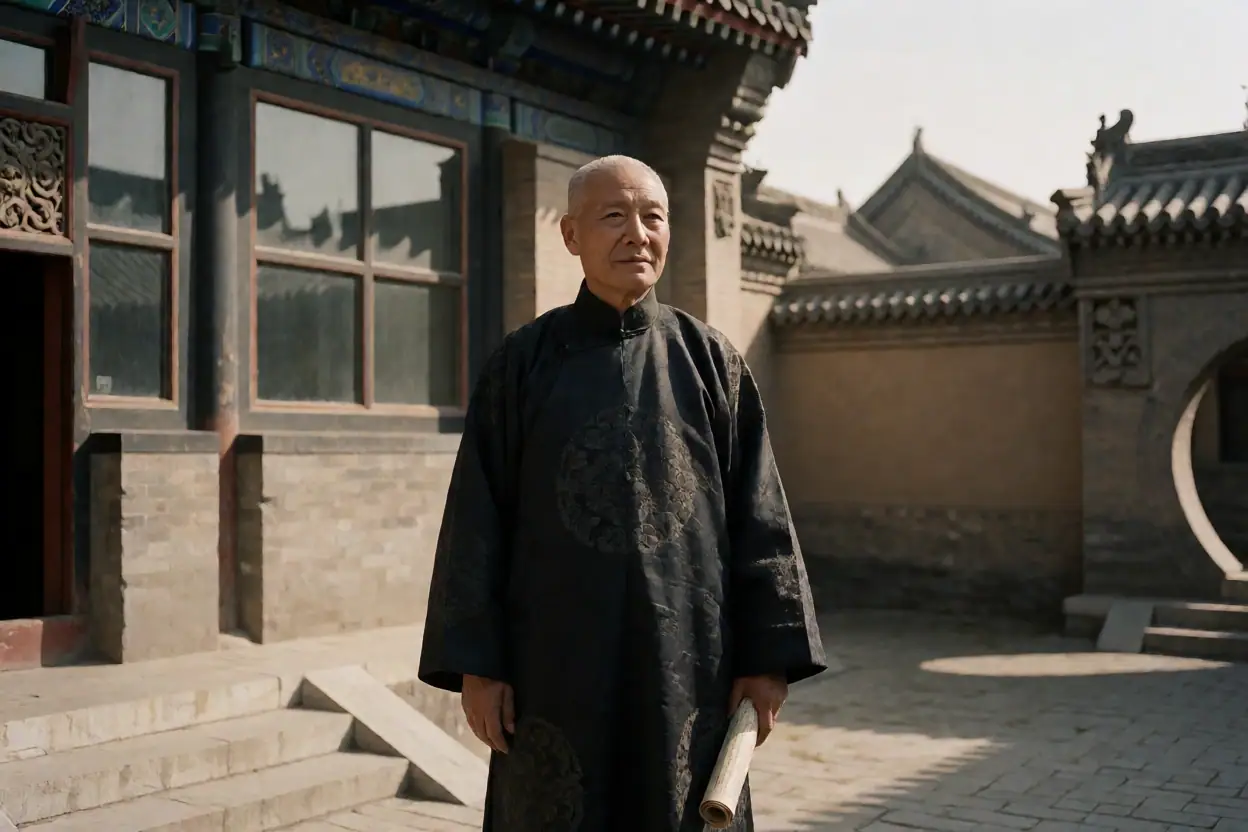
In Qiqihar’s collective urban memory, an old residence is often referred to as “Tianbaodang.” Memories of it begin with a two-courtyard siheyuan: shop rooms faced the street, the rear section served as living quarters, and the compound once also contained buildings with various functions, including a decorative wall, a moon gate, storerooms, and a carriage house. High windows, upturned eaves, brick carvings, and wooden structural details reflect the layout of traditional northern residences, giving the house significance beyond that of an ordinary dwelling.
According to relevant accounts, the residence was associated with the Guo family in its early period, and its history has been traced back to the Qing dynasty. These accounts state that one branch of the Guo family originally lived around Changbai Mountain, later entered the Pass, and settled in Shandong. In the 24th year of the Kangxi reign, Guo Yougong, Guo Jingong, and others took part in the Yaksa campaign; on their return, they were stationed with the army in Bukui, becoming among the early members of the family to settle locally. The details of this migration, the relationships among the individuals involved, and their specific appointments should still be examined item by item against genealogies, Qing-dynasty archives, and local gazetteers; no complete judgment should be based solely on family memories passed down from later generations.
The Guo family’s local influence is also reflected in records concerning several individuals. Guo Dexing is described as proficient in the literary and artistic traditions of both Manchu and Chinese culture, skilled in painting and singing, and formerly the head of a local government school. Nong Ying’a was referred to as a Fengzheng Dafu, leading the residence to be known as the “Residence of the Grand Master.” Guo Songlu oversaw the expansion of the old residence in the late Qing dynasty, while the experiences of later descendants such as Guo Shouqi further connected it with family education, choices of official service, and lineage life. Accounts of couplets, inscribed plaques, and inscriptions presented by notable figures are both memories of family honor and claims that require comparison with physical objects, rubbings, collected writings, or local gazetteers.
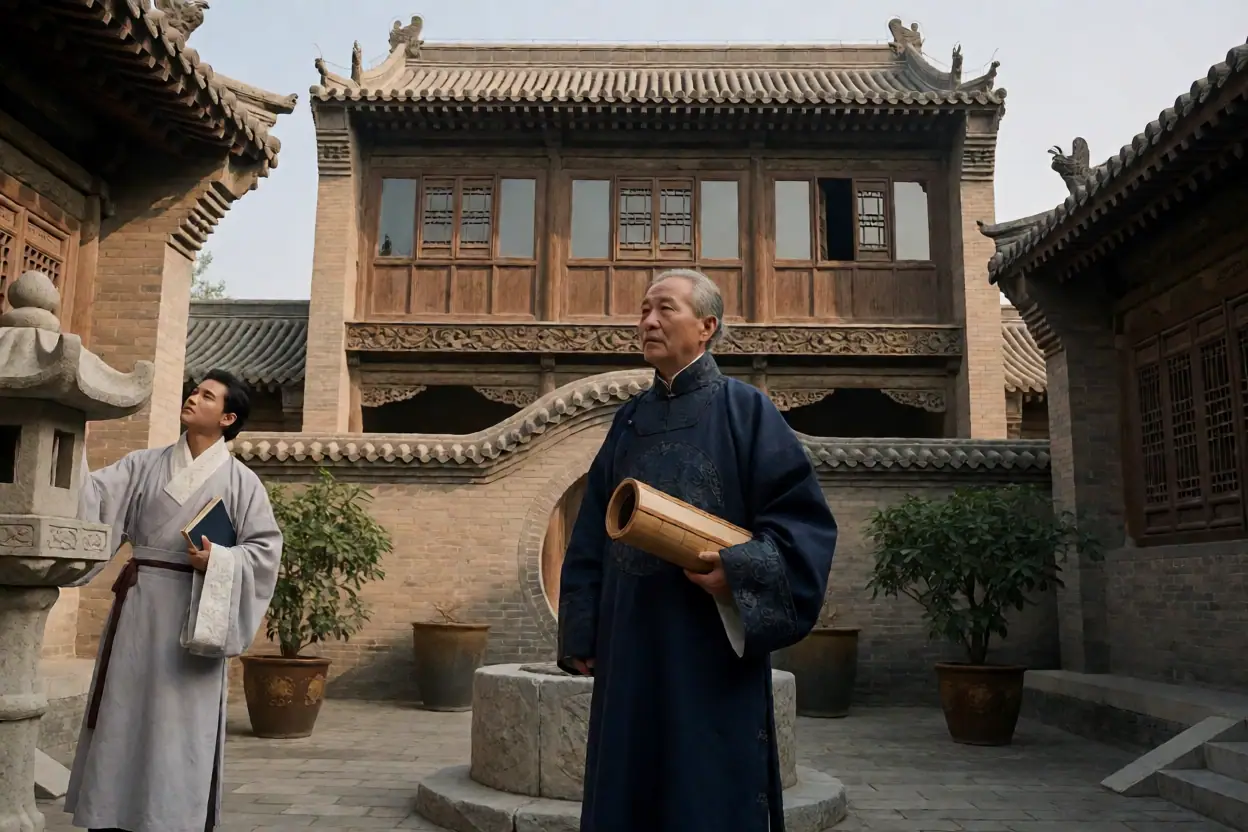
From the perspective of genealogical research, a single old residence cannot by itself prove an entire family lineage. People with the same surname may belong to different branches, while places of migration, lineage hall names, generation names, and ancestral legends may become conflated over the course of long transmission. A more prudent approach is to first organize the people, places, and timeline using family memoirs and oral materials, then compare them with lineage records in online genealogies and look for corroborating evidence in local gazetteers, cultural-relic registers, and historical archives. Surname databases can provide clues about the distribution of people with the same surname, lineage hall names, and migration, but such information can serve only as a starting point for research and cannot replace the identification of a specific branch.
Among the surname materials currently available, the lineage hall names, ancestral commandery affiliations, and distribution listed in records concerning the Cui surname do not belong to the same lineage as the accounts of the Guo family residence; they therefore cannot be used to infer a clan relationship between the Guo and Cui families. To continue researching “Tianbaodang” and its owners, priority should be given to locating explanatory materials for the residence as a cultural relic, original or revised editions of local Guo family genealogies, tomb inscriptions, Qing-dynasty military and administrative archives, and Qiqihar local gazetteers. Each piece of information about a person or date should be separately marked as verified, awaiting verification, or legendary. This approach can preserve family memories while avoiding the direct equating of the residence’s story with a complete historical conclusion.