From Pang Tong’s Historical Record to Documentary Pathways for Tracing Pang Family Roots
Pang Tong is one of the more closely studied historical figures bearing the Pang surname. His education, recognition, and assistance to Liu Bei in entering Sichuan provide clues for understanding figures of the Three Kingdoms period. However, a historical figure and a present-day family cannot be linked in a lineage solely because they share a surname; research into Pang family roots still requires item-by-item verification against genealogies, local gazetteers, inscriptions, and family-held documents.
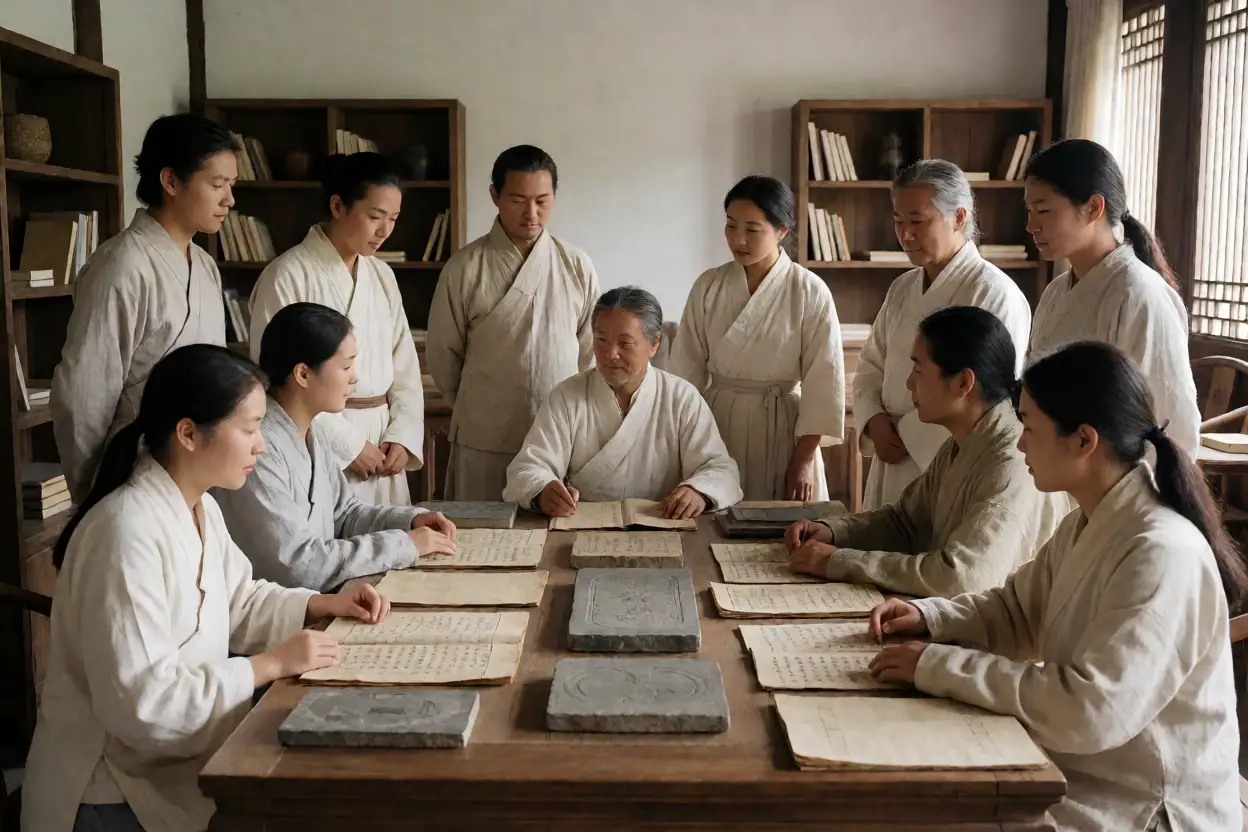
The historical culture associated with the Pang surname can be examined separately on three levels: the deeds of historical figures, the origins and development of the surname, and local families. Existing records focus largely on Pang Tong’s experiences during the Three Kingdoms period. He studied diligently in his early years, later gained recognition after speaking with Sima Hui, and gradually became well known. When Liu Bei was planning to enter Yizhou, Pang Tong participated in military and political deliberations and proposed different strategies for taking Chengdu. These accounts present Pang Tong as a figure known for his strategic ability in the political and military activities of his time, and they are frequently cited in later discussions of Pang family figures.
However, biographies of historical figures and family lineages are different types of source material. Pang Tong can serve as an important historical figure for the study of Pang-surname culture, but this cannot be used to conclude that Pang families in different regions are all his descendants. Even when a genealogy contains an account of related ancestral origins, it is still necessary to examine the date when its preface was written, the history of its successive revisions, records of migration, and whether the links between generations are complete. A shared surname can provide a direction for research, but cannot by itself prove a common ancestor or a relationship between branches.
When tracing Pang family roots, begin by organizing the information already known within the family, including ancestors’ names, generational characters, former residential villages, marital and other family relationships, burial locations, and orally transmitted directions of migration. Genealogies, ancestral spirit tablets, contracts, letters, rubbings of tomb inscriptions, and old photographs preserved in the home may also provide important corroborating evidence. Family memoirs are suitable for recording the life experiences and migration stories recounted by elders, but they should identify the narrator, the date of recording, and the source of the information, while distinguishing between “firsthand facts,” “hearsay,” and “later generations’ inferences.”
Online genealogies can help gather clues by name, region, generational characters, and date of compilation, but electronic records still need to be checked against the original genealogy or its images. If identical names, overlapping dates, unusually small or large age gaps between parents and children, or sudden gaps spanning several generations appear, the lineage connection should be suspended for the time being. Hall names and commandery designations can likewise serve only as cultural markers and supporting clues. Different regions may share the same hall name, and multiple origins may exist within the same surname, so a branch or lineage cannot be identified solely on the basis of a hall name.
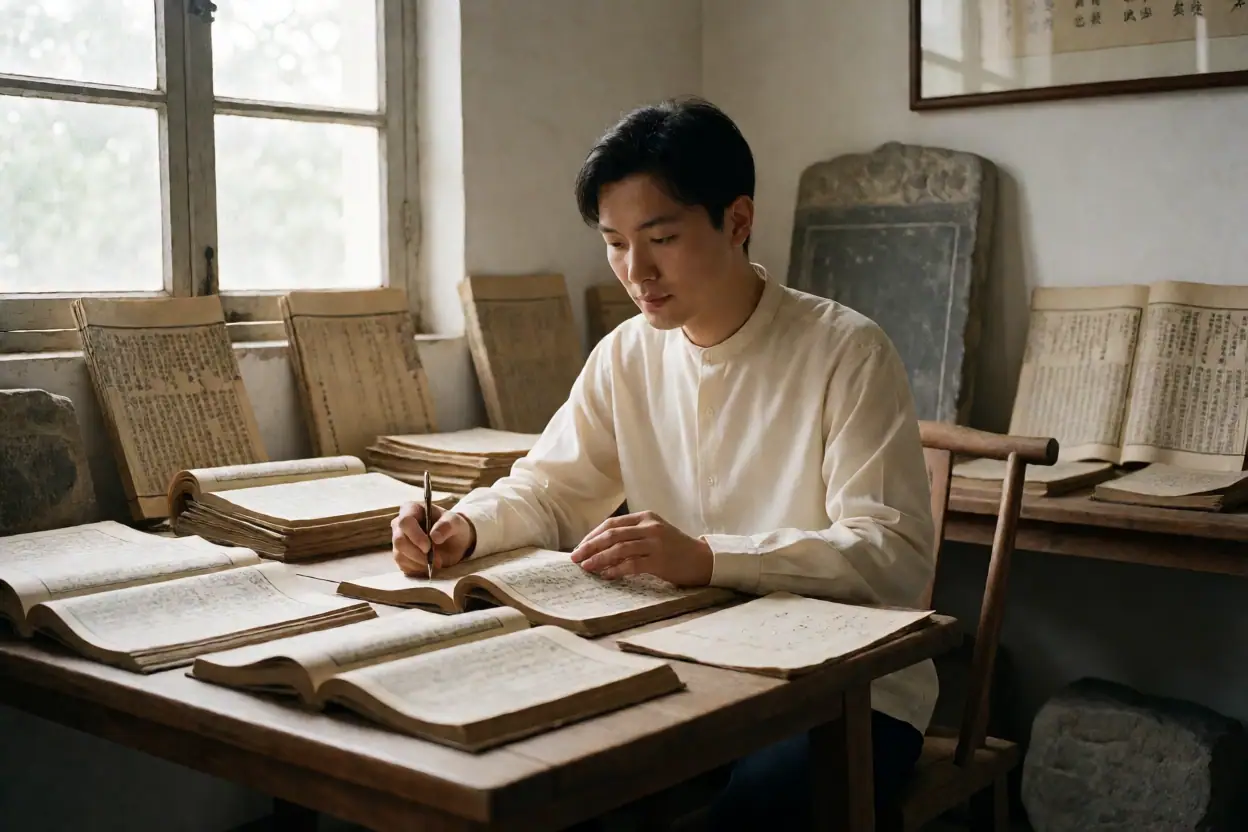
Local gazetteer databases can help supplement the regional background absent from genealogies. Prefectural gazetteers, county gazetteers, township and town gazetteers, and biographical gazetteers may preserve information on the imperial examinations, official posts, respected local figures, household registers, administrative establishments, and changes in villages over time. Comparing these records with migration place names and the dates of individuals recorded in genealogies often reveals changes in old place names, adjustments to administrative divisions, or errors introduced through copying. When the material concerns ancient figures such as Pang Tong, reliable historical works and established editions should be consulted first, to avoid treating literary embellishment directly as historical fact.
A more reliable approach to Pang family research is to trace upward generation by generation from ancestors in the relatively recent past whose identities can be confirmed, creating records that correspond across four categories: “person, time, place, and documentary basis.” Distant ancestors, migration routes, and branch relationships that cannot yet be connected may be retained as leads, pending further judgment when more genealogies, local documents, and physical materials become available.
Learn More and Verify
- The verification pathway for the legend of the Xi surname’s origin and tracing the family’s roots
- Clues to the migration and distribution of the Shu surname and pathways for tracing family roots
- Historical source clues from memories of Ao-surname figures and family ancestral research
- A study of figures from the Qinlong Wei clan: from Wei Xiao to tracing family roots
Genealogy Knowledge and Methods for Compiling Genealogies · Finding Genealogies and Local Gazetteers · Organize family-root-seeking leads