Research and Verification of Volume 8 of the Xiaoyou Hall Ou Clan Ninth Revision Genealogy
Existing catalogue information indicates that Book 8 of the Ou Clan's 9th-Revision Genealogy belongs to the Xiaoyou Hall system and is marked as containing 57 pages. It can serve as a lead for organizing Ou clan documents and conducting root-tracing research, but its specific lineage, migrations, and compilation date still require verification against the genealogy pages and local documents.
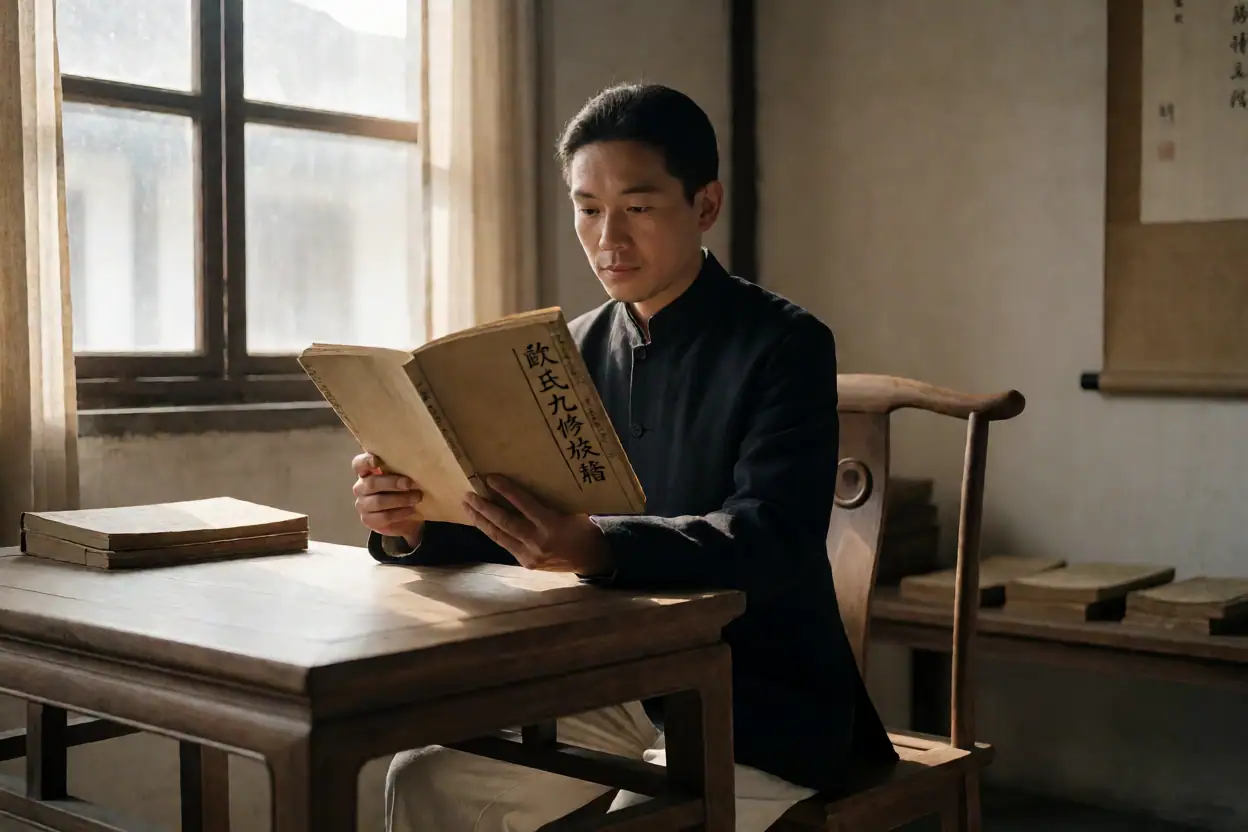
In the currently available catalogs, Volume 8 of the Ou Clan Ninth Revision Genealogy is identified as part of the Ou clan genealogy of “Xiaoyou Hall” and is included in the “Ninth Revision Genealogy” series. The catalog also shows that the series consists of multiple volumes, with Volume 8 containing approximately 57 pages. In terms of its documentary form, it appears more likely to be one volume of a complete genealogy. When consulted on its own, it can provide certain clues about family records, but may not be sufficient to present the entire historical development of a particular Ou clan branch.
“Xiaoyou Hall” is a common hall designation found in genealogies, typically used to identify clan traditions, an ancestral-hall system, or the documentary affiliation of a particular branch. However, sharing the same hall designation does not necessarily mean that Ou families in different places belong to the same lineage; families with the same surname may have different origins of the surname, migration routes, and branch traditions. Therefore, the three characters “Ou clan” or “Xiaoyou Hall” alone cannot be used to directly infer a connection between an ancestor and a specific historical figure, nor can they confirm that all Ou families in a given place descend from the same lineage.
For readers hoping to trace their roots, the primary value of Volume 8 lies in providing an identifiable genealogical unit. In actual research, priority should be given to the opening pages, preface, explanatory notes, contents, lineage charts, and biographical accounts, with attention to whether they record the date of genealogical compilation, the people who oversaw it, the founding ancestor who first migrated to the area, places of residence, ancestral-hall locations, generation names, and branch divisions. If historical and modern place names appear in the genealogy, they should also be compared with local gazetteers, changes in administrative divisions, and inscriptions, to avoid directly equating former place names with present-day administrative regions.
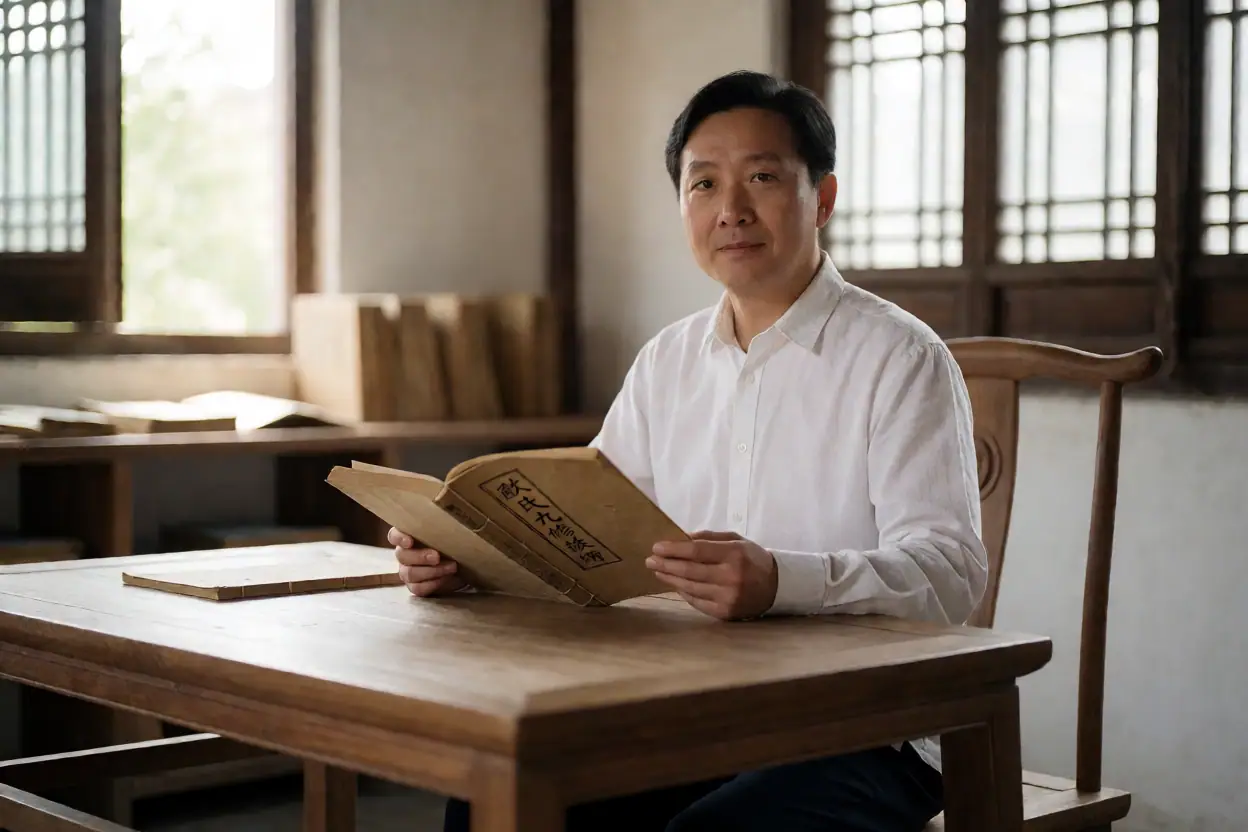
Online genealogy tools can be used to organize known kinship relationships, compare generation names, and mark suspected branches; family memoirs can help preserve orally recounted migration experiences, marriage connections, and memories of villages. Both types of material should be compared item by item with the genealogy pages. Oral accounts may have been simplified over time, while genealogies recorded later may contain problems involving transcription, missing pages, or variant characters. Surname databases can help researchers understand common names, hall designations, and documentary leads associated with the Ou clan, but this information can serve only as an entry point for searching and cannot replace analysis of the original genealogy.
To further assess the relationship between a particular Ou clan branch and this genealogy, list the ancestral place of residence, the name of the founding ancestor who first migrated there, the sequence of generation names, and information about graves or ancestral halls item by item, then cross-check them against local gazetteers and other versions of the genealogy. Only when multiple pieces of information correspond consistently, and the times, places, and relationships between individuals are broadly consistent, is it appropriate to propose a relatively well-supported lineage determination. At this stage, Volume 8 is more appropriately used as a lead and reference for research into Ou clan documents; specific conclusions should still be based on verifiable content from the genealogy pages.