A Study of the Origins and Branches of the Li Clan and the Search for Ancestral Roots in the Yao River Region
Existing materials indicate that records concerning the Li (励) clan involve ancient surname origins, historical figures, Xiongnu ancestry, and migration and transmission in the Yaojiang area of Yuyao, Zhejiang. The explanations for the origins of different branches’ surnames and their genealogical lines still require item-by-item verification against genealogies, local gazetteers, and family documents.
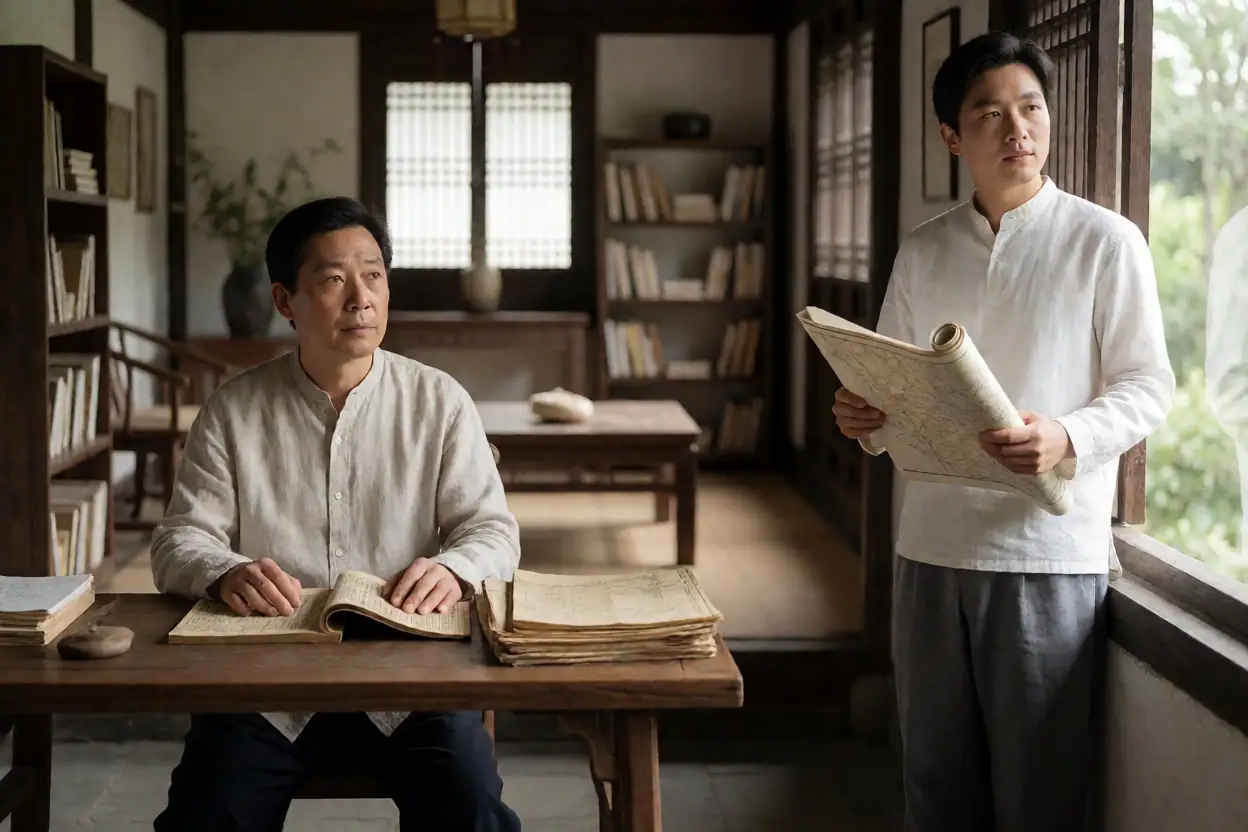
In compiling the origins and development of the Li clan, it is first necessary to distinguish among three types of material: surname origins, records of historical figures, and specific family branches. Existing materials cite several clues concerning the origin of the surname, including figures bearing the Ji surname, descendants of Duke Li of Qi bearing the Jiang surname, people of the Sun surname who changed their surname, and northern peoples who, after entering the Han realm, adopted the names of their ancestors as surnames. These traditions or documentary memories arose in different historical contexts, and the fact that surnames are identical alone cannot establish that all branches share a common origin. The use of the characters 励 and 厉 in historical documents and clan genealogies should likewise be examined further in conjunction with the original genealogical forms, the places where successive generations lived, and relevant inscriptions.
One relatively specific regional lead points to the Yao River area of Yuyao, Zhejiang. According to family tradition, Li Shang (励裳) once served as Assistant Prefect of Xuanzhou. After a change in his official career, he took his family across the Huai River to Yuyao, where his younger brother held office. After surveying the local mountains, rivers, customs, and practices, the two brothers settled there, and their descendants subsequently multiplied in Yuyao. In the thirteenth generation, one branch moved from Congshan to Meichuan Township and is said to have become the founding branch of the Meichuan Li clan, with Shihe Gong (释褐公) as its founding ancestor. This branch was further divided into the Xianzidi, Lijianong, and Baishalu branch houses, with additional traditions concerning the Lower Three Branches and branches in the Lijiatan area. The above reflects the transmitted account of a particular family’s genealogy; the specific generational sequence, changes in place names, and relationships among branch houses still require cross-checking against the original genealogy.
Records concerning Li Yuan (厉元) of the Tang dynasty provide another set of clues for researching the related branches. Li Yuan is traditionally said to have been the fifth-generation descendant of Li Wencai (厉文才), Governor-General of Rongzhou. He is said to have passed the Presented Scholar examination, held various local and central government offices, and left several poems. His eldest son, Li Zinan (厉自南), is said to have passed the Presented Scholar examination during the Guangqi period of Emperor Xizong of Tang. The family’s subsequent places of activity and official appointments may have been connected with the social upheaval from the late Tang through the Five Dynasties. Existing accounts of the father–son succession among Li Zinan, Li Yingzhi (厉应之), and Li Chi (厉持), as well as their relationship with families in Dongyang, Yuyao, and other places, still contain points concerning dates and migration sequences that require verification. The original genealogical texts, epitaphs, and local gazetteers should be treated as the authoritative sources.
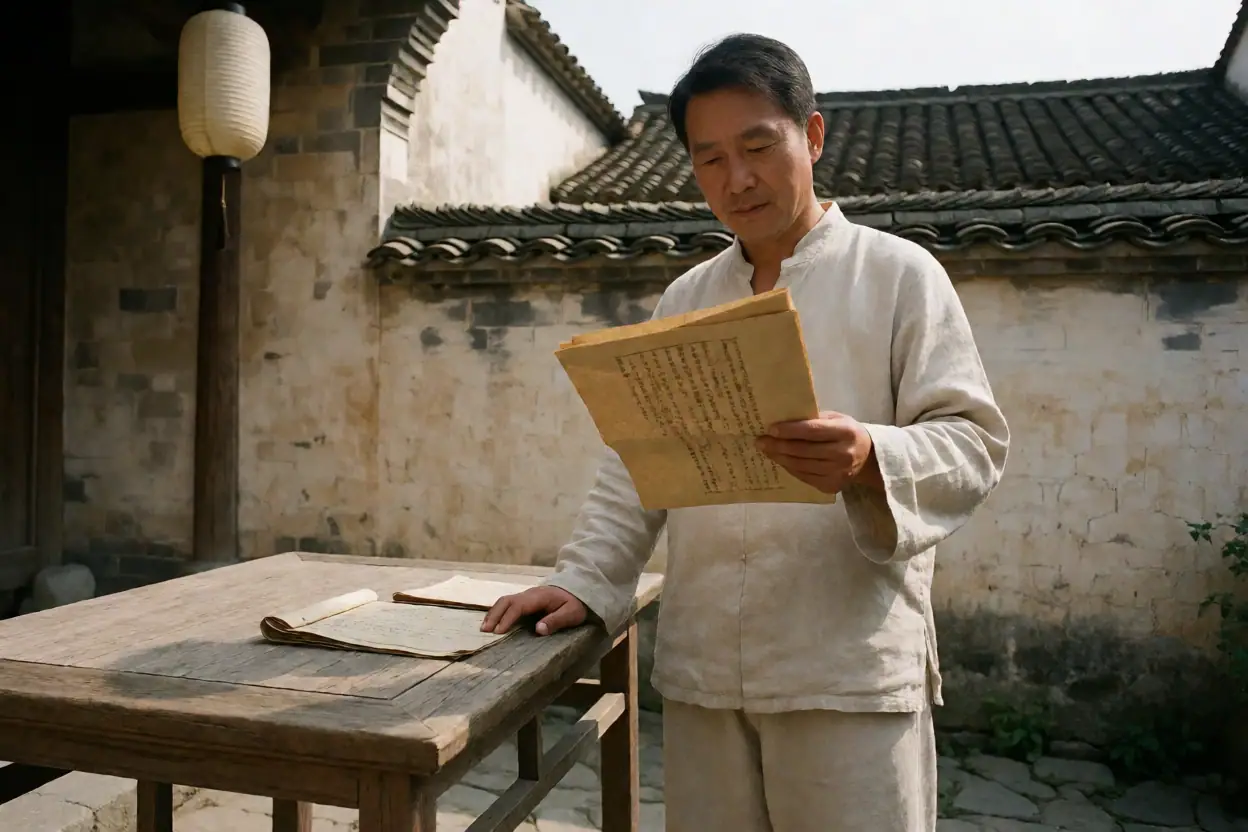
From the perspective of tracing ancestry, descendants of the Li clan can first record ancestral residences, dates of migration, generation characters, ancestral hall names, the locations of ancestral halls and tombs, and family oral traditions, and then organize variant forms of names, marriage relationships, and branch-house designations item by item. Online genealogies can be used to compare genealogical nodes; family memoirs can help preserve information on modern and contemporary migrations and branch divisions; and local gazetteers can be used to verify changes in village history, official appointments, and surviving ancestral halls. To determine whether a particular branch is connected with the Yao River Li (励) clan or other Li (励/厉) branches, it is still necessary to establish at least a continuous genealogical line and obtain multiple mutually corroborating forms of evidence, such as places of residence, generation characters, or a genealogy preface.