The Origins of the Pu Surname and Naming: From Surname Clues to Family Lineages
Materials on the Pu surname concern pre-Qin place names, legendary lineages, and modern naming practices, but different branches still require cross-verification through genealogies, local gazetteers, tomb inscriptions, and other materials. Names may be chosen by considering pronunciation, written form and meaning, family generation-name sequences, and hopes for everyday life.

The Pu surname is one of the less common Chinese surnames. Existing surname sources generally connect its origins with regions, states, and ancient family traditions dating to the pre-Qin period, and mention accounts such as descendants of Wei Kangshu, ruler of the State of Wey, and descendants of Emperor Shun. Such narratives reflect common interpretive approaches in traditional Chinese surname studies, but different sources do not place exactly the same emphasis on their records. The fact that people share the Pu surname alone is not enough to establish that Pu families in different places come from the same branch.
For Pu families, tracing their roots should begin with materials from recent generations. Record the names of ancestors, places of birth, places of migration, marital relationships, burial locations, and genealogies, contracts, inscriptions, and commemorative writings preserved by the family, then compare them with records of generation names, ancestral hall names, and founding ancestors who first migrated in county and prefectural gazetteers, local literature, and clan genealogies. If a branch has experienced migration across provinces, also pay attention to villages with the same names, marriages with neighboring surnames, and records of ancestral hall renovations. These materials can help clarify the migration routes of a particular household or branch, but where continuous evidence is lacking, it is still advisable to use wording such as “possibly related” and “requiring further verification.”
When naming a child with the Pu surname, first consider the surname’s tone and written form. The character Pu has many strokes, so names should avoid the consecutive use of characters with overly complicated structures, while also taking into account whether their Mandarin pronunciation is clear and their written form convenient. The combinations “森然,” “辰兮,” “攸宁,” “昕砚,” and “怀岳” found in the materials reflect naming imagery associated with nature, brightness, tranquility, learning, and aspiration, and may serve as aesthetic references. A name’s meaning is a form of cultural expression; the meanings of characters, the Five Elements, or stroke counts should not be treated as grounds for determining fate. Actual choices should also take into account pronunciation in local dialects, family generation names, the views of elders, and everyday usage scenarios.
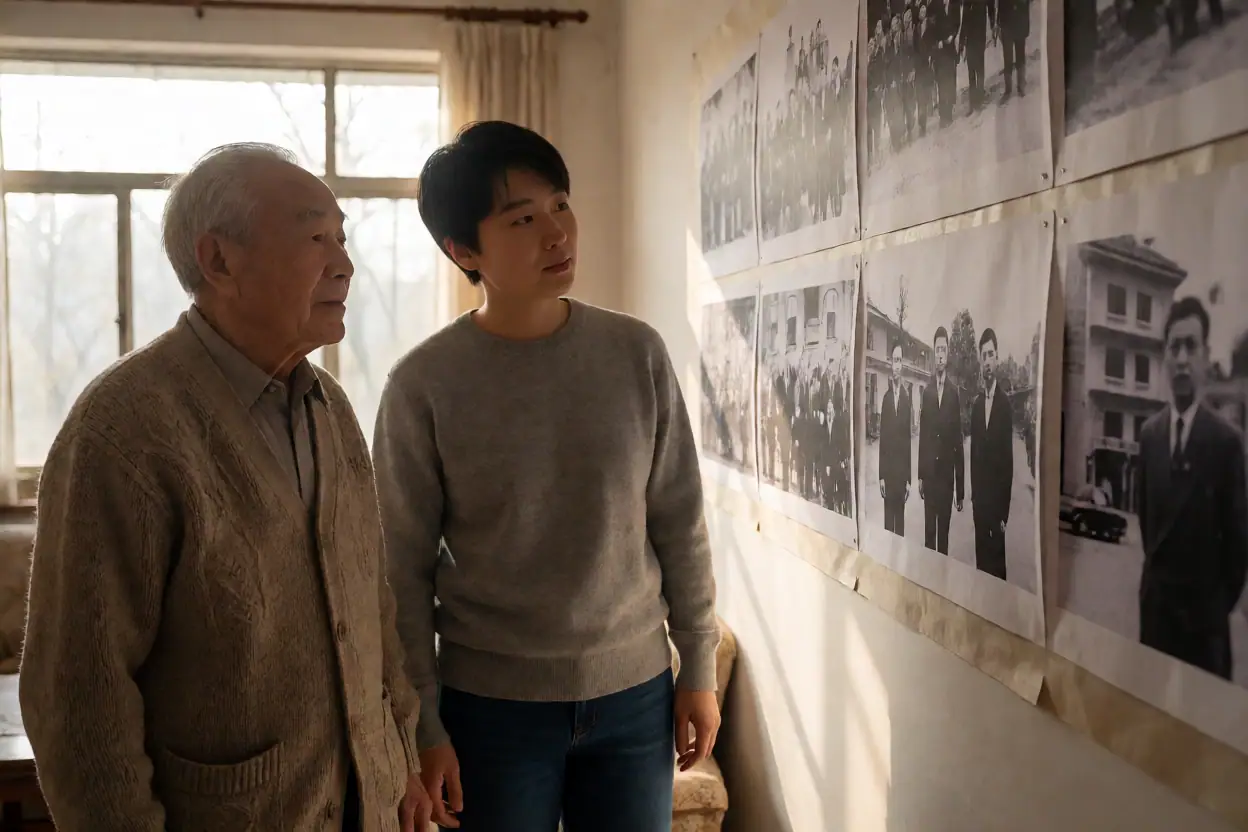
If you wish to continue tracing the family lineages of the Pu surname, you can first consult surname databases for clues about origins, prominent commanderies, ancestral hall names, and distribution, and then use online genealogies to verify relationships among individuals and points of migration. Family memoirs are suitable for organizing oral history and details of daily life. Ancestral research can help sort out locations requiring investigation, branch designations, and gaps in the evidence, while local gazetteer databases can be used to verify changes in place names, administrative history, ancestral halls, schools, and the activities of notable people. During the search, the original text of genealogies, local literature, and family oral accounts should be labeled separately to avoid conflating legends, recollections recorded by later generations, and records from the same period.
Learn More and Verify
- Notable Dong Figures and Family Lineages: From Historical Figures to Clues for Ancestral Research
- Shao Genealogy, Book Three: From Genealogy Clues to Family Roots
- Population and regional distribution of the Pang surname: from statistical clues to family roots
- Ke Clan Comprehensive Genealogy, Volume 22: From Genealogy Clues to Family Roots
Genealogy Knowledge and Methods for Compiling Genealogies · Finding Genealogies and Local Gazetteers · Organize family-root-seeking leads