Clues to 俄嫩 and the Mu Surname: From Ethnic-Origin Records to Family Roots
Existing surname materials connect the names E'nen, E'nuo, and E'nen shi with records concerning the Daur and Manchu peoples during the Qing dynasty, and also mention that the Mu surname may have resulted from members of the Murong, Mu, or other groups adopting a new surname. The relationships among the different branches still require further verification against family genealogies, local gazetteers, and family memories.
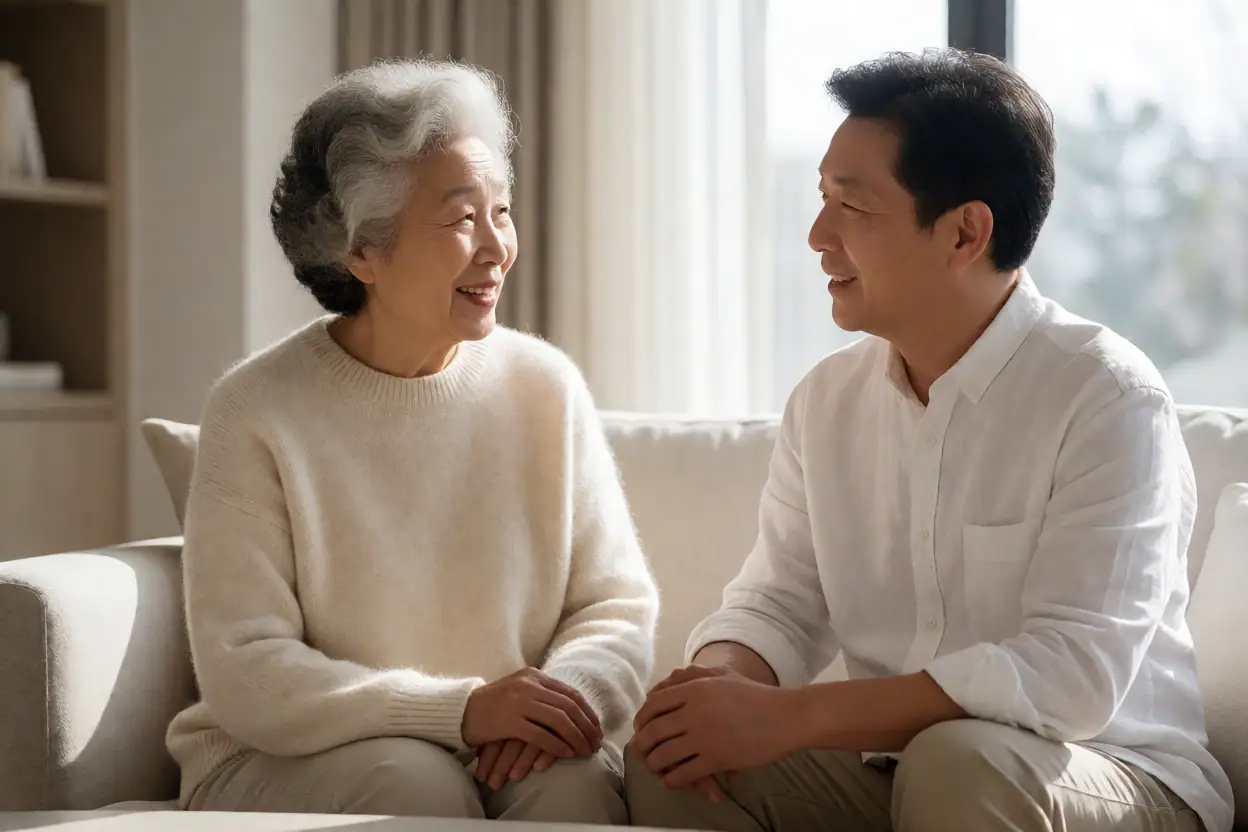
Existing materials present multiple interwoven clues concerning the relationship among 俄嫩, 鄂诺, and the Mu surname. They are best treated as a starting point for genealogical research rather than directly regarded as the definitive lineage of a particular branch.
One group of records concerns the Daur 鄂诺氏, which also appears in various forms such as 俄嫩氏, 鄂内氏, 鄂讷氏, and 斡难氏. These accounts place their activities along the northern frontier of Heilongjiang and in the basin of the 嫩江 River, and state that after the mid-Qing dynasty, some members adopted the Chinese surnames 鄂, 敖, 吴, and 慕 as a result of ethnic interaction, institutional changes, or sinicization. The transcriptions of names such as 俄嫩 and 鄂诺 may not be consistent across different sources, and similar forms of the characters do not mean that all their users came from the same branch.
Several traditional explanations for the Mu surname have also been preserved in the sources. Some hold that it is related to a simplified surname adopted by descendants of 慕容氏; others link it to the ancient figure 虞幕 or to the evolution of the 幕 surname; still other materials mention that the 慕氏 surname was already present in Kaifeng, Henan, during the Song dynasty. In addition, some ethnic groups adopted the Mu surname during historical migrations and surname changes, possibly forming relatively independent local branches. Therefore, the surname alone cannot establish that a particular Mu family is descended from 慕容氏, nor can it confirm a direct clan relationship with 俄嫩 or 鄂诺氏.
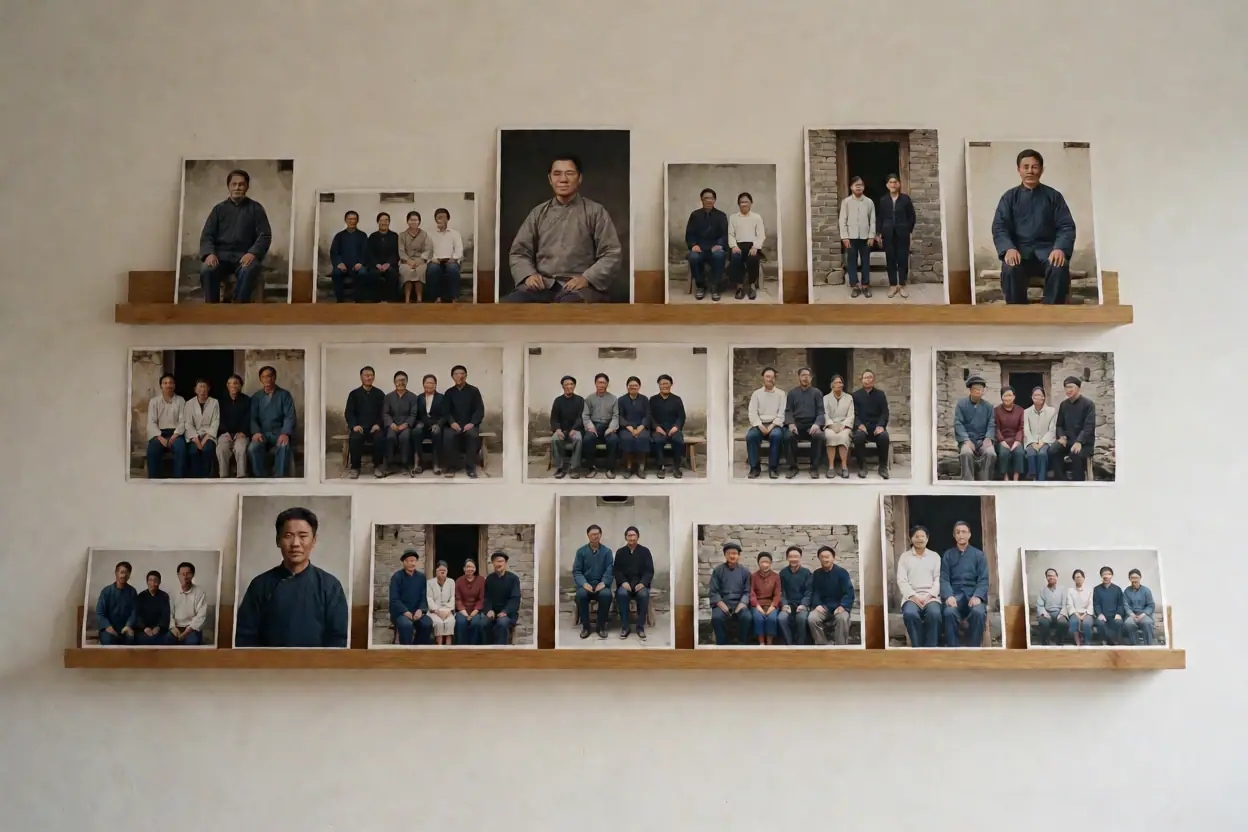
When conducting genealogical research, begin by recording the place of ancestral residence, migration routes, the name of the founding ancestor of the migrating branch, the locations of ancestral graves or ancestral halls, the status of any preserved old genealogies, and family traditions such as the branch hall name, generation names, and the geographic areas where marriages took place. If a genealogy contains 俄嫩, 鄂诺, 斡难, 慕容, or related Manchu or Daur designations, the original documents, prefaces to revised genealogies, tomb inscriptions, and local gazetteers should be checked together, with attention to variant characters, transliterated characters, and differences caused by later transcriptions. Online genealogies can be used to organize branches and compare individuals, while family memoirs can help preserve oral history; however, key conclusions should still, wherever possible, be supported by verifiable genealogical texts, local gazetteers, or archival records.
The existing database has recorded the 俄嫩 surname, while information on its origins, ancestral commanderies, branch hall names, generation names, population distribution, and migrations still needs to be supplemented. Further research can begin with local gazetteers from the Heilongjiang River basin, Northeast China, and areas where families with the Mu surname are concentrated, then combine these with genealogical volumes, photographs of inscriptions, and migration memories provided by family members to gradually distinguish among different situations, including different clans sharing a surname, different surnames with a common origin, and surnames adopted by later generations.
Learn More and Verify
- Hou surname figures and branch clues: from historical records to tracing family roots
- Distribution and Migration Clues of the Luo Surname: From Regional Records to Family Roots
- Shuanggui Hall Tang Clan Genealogy: From Clues in Genealogy Manuscripts to Family Root Research
- Shao Genealogy, Book Three: From Genealogy Clues to Family Roots
Genealogy Knowledge and Methods for Compiling Genealogies · Finding Genealogies and Local Gazetteers · Organize family-root-seeking leads