Fangshan Kui Clan Roots: Family Lineages in Mountain Village Memories
The Luzishui area of Fangshan preserves local memories concerning the Wei clan’s settlement, migrations, ancestor worship, and opera traditions. These accounts involve origins in Shanxi, relocation during the Ming dynasty, and the transmission of generational lineages, all of which still require item-by-item verification against genealogies, gravestones, contracts, and local gazetteers.
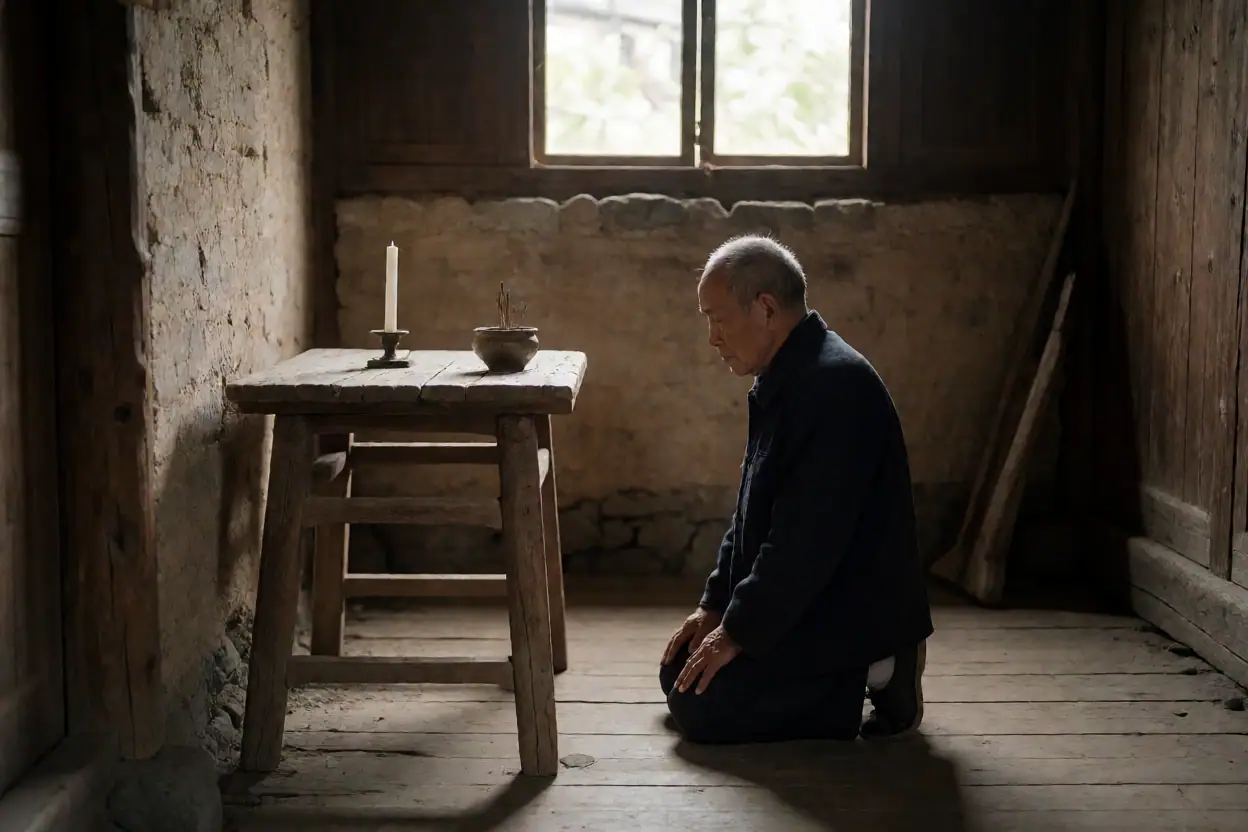
In the western mountainous area of Fangshan, Beijing, Luzi Shui and the surrounding villages preserve relatively concentrated memories of the Kui clan. With their winding mountain roads and scattered settlements, the area has long fostered a social network connected by kinship, villages, and customary rituals. During festivals and holidays, some Kui descendants return to their ancestral homeland to pay respects to their ancestors. These continuing family activities have also made the ancestral home an important place connecting different branches of the clan.
Local accounts of the Kui clan’s origins in the Beijing–Hebei region include the claim that their ancestral home was Luzi Shui, linking some Kui families in Fangshan, Mentougou, Laishui and Yixian in Hebei, and other areas. Other family investigations suggest that their forebears may have been connected to the area around Changzhi, Shanxi, and that they migrated from Hongdong, Shanxi, to Luzi Shui during the Ming dynasty, giving the clan several hundred years of history there. The dates of migration, the identity of the founding migrant ancestor, the specific routes taken, and the relationships among branches in different areas cannot be established solely through oral accounts or a single genealogical volume. They should still be cross-checked against original genealogies, tomb inscriptions, land deeds and other documents, local gazetteers, and archival records from the same period.
Within Kui family memories, generation names and the order of seniority hold an important place. Some descendants place importance on following the genealogical order: even when there is a substantial age difference, people address one another according to their respective generations. This system of address is both a form of etiquette within the family and a clue for analyzing lineages. However, sharing the same generation name does not necessarily mean belonging to the same branch. Different regions may use the same generation names, and variant characters, missing generations, or incorrect connections may also arise as genealogies are continued and revised. Research should therefore compare names, spouses, places of residence, burials, and kinship relationships as a whole.
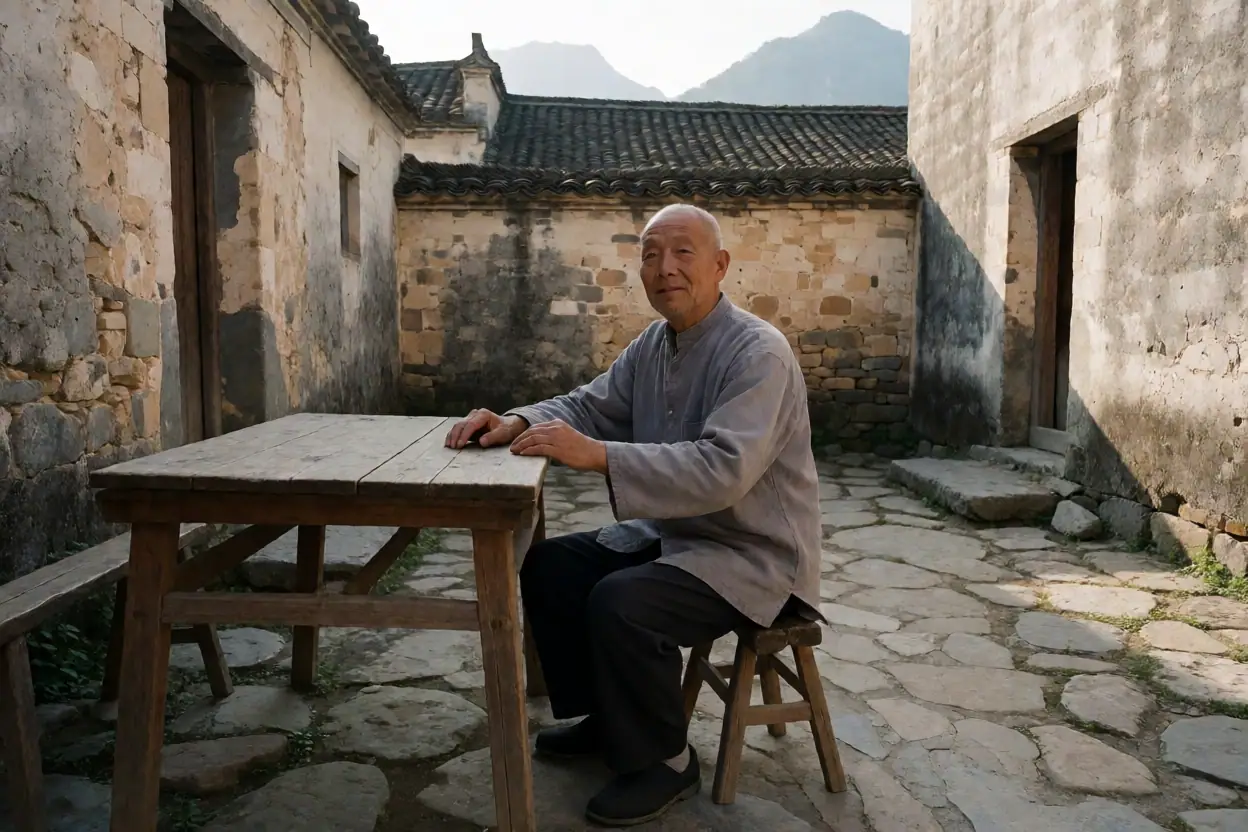
Local cultural memories of the Kui clan also include life in the mountains, an emphasis on education, and Laodiao Bangzi opera. The opera stages and performances in the Luzi Shui area, along with land deeds, ancestral halls, and ancestor-worship records preserved by family members, reflect the way of life in village society before and after the modern era. Rather than treating these materials simply as proof of family honor, it is better to examine them within their specific dates and local settings: contracts can help confirm land transfers and changes in residence, inscriptions can supplement information about personal relationships, and opera activities can offer an indirect view of interactions among village communities.
Today, Kui descendants who wish to continue tracing their roots can first establish separate branch records for Fangshan, Mentougou, Laishui, Yixian, and other areas, noting the person who recorded each piece of information, when it was created, and its original source. Online genealogies are suitable for organizing lineages, photographs, oral memories, and contact information for relatives in different places. Family memoirs can preserve migration stories, changes in occupations, and details of rituals and customs, while local gazetteers can help verify changes in village names, administrative divisions, and historical events. By using surname databases, searching genealogical registers, comparing local documents, and conducting field visits to inspect inscriptions, researchers can gradually distinguish established facts, family traditions, and inferences that still require verification, allowing Kui history to remain reliable and specific as it is passed down.