Figures of the Chu Surname and Clues to Their Migrations: From Poets to Notable Local Officials
Historical figures bearing the Chu surname appear in sources dating from the Tang and Song dynasties through the Ming dynasty. They include scholars known for landscape and pastoral poetry, as well as officials involved in government service, gazetteer compilation, and local administration. Related genealogies also preserve migration clues concerning Danyang, Ninghai, and other places, but specific lineages still require item-by-item comparison with genealogies, local gazetteers, and primary sources.
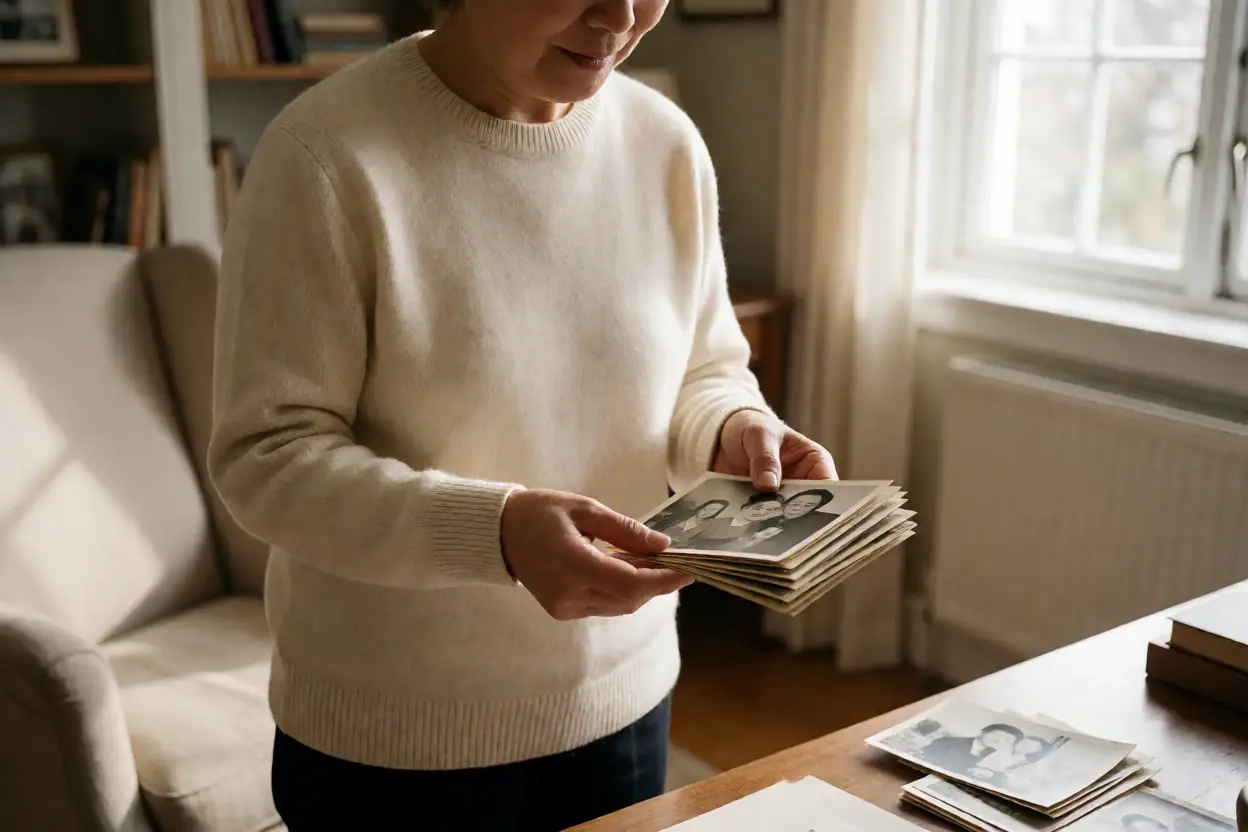
Historical records of figures with the Chu surname are found in poetry and prose, the imperial examination system, official careers, and local documents. Based on the materials currently available, Chu Guangxi of the Tang dynasty was one of the earliest to receive attention. He is thought to have lived around the eighth century. His native place, migration experiences, and official career are mentioned in varying accounts, and he is generally regarded as an important author of landscape and pastoral poetry. His work is plain and refined in style, and some of his poems were included in later collected anthologies. His dates of birth and death, family background, and later-life experiences should still be cross-checked against biographies, collected works, and contemporaneous historical sources; definite conclusions cannot be drawn from later summaries alone.
Chu Sizong is recorded as a poet of the Tang dynasty and is said to have been a great-grandson of Chu Guangxi, with activities extending across the Yanjing area of Runzhou. His poetry mostly describes landscapes and natural scenery, and old records also list a collection of his works. Because records of family appellations, native places, and genealogies from the Tang dynasty were often compiled by later generations, the specific succession relationship between Chu Sizong and Chu Guangxi should be further verified through epitaphs, prefaces and postscripts to collected works, and reliable genealogical records.
Records of Chu-surname figures in the Song dynasty more often reflect local administration and the management of people's livelihoods. Chu Dunxu was a presented scholar of the Northern Song and served as a county-level official and an official under the prefectural government. Sources state that he governed beneficially during his tenure and left behind a work titled Yinquan ji. Chu Yinzhi appears in clues relating to the Song-dynasty imperial examinations and local appointments. Related accounts state that he later settled in Ninghai and compared certain lineages in the genealogical records of Ninghai and Yixing in an attempt to trace his relationship with Chu Guangxi. Such cross-regional genealogical records can provide direction for ancestral research, but statements in genealogies such as “a descendant of a certain ancestor” and “the several-th generation descendant” must still be examined in light of dates, places of residence, marriage and burial records, and official posts; they cannot independently serve as conclusive evidence.

Among Chu-surname figures of the Ming dynasty, Chu Mao, Chu Quan, and Chu Shan were respectively associated with central government affairs, oversight, and the compilation of local histories. Chu Shan participated in compiling a local history, showing that Chu-surname scholars were active not only in the imperial examination system and officialdom but also in preserving regional records. Chu Quan was known for his official posts and poetry and prose, while Chu Mao served in the Hanlin Academy, the Ministry of Revenue, and the Ministry of Rites. Some materials contain details about individual official posts, dates, and dates of death that require further verification. This is especially important when era-name conversions are involved; the original texts of official histories, veritable records, and local histories should be consulted for comparison.
When researching the history of the Chu-surname family, sharing a surname does not mean sharing the same lineage. Hall names, commandery origins, founding migrant ancestors, and generational names can serve only as search clues and must be corroborated against the ancestral home, burial sites, ancestral halls, prefaces to genealogies, and generational name lists of the specific branch. Online genealogies can help organize known family relationships, family memoirs can supplement information on modern and contemporary migrations, and local-history databases can help verify officials' appointments, changes in villages over time, and records of ancestral halls. Those seeking their roots should first identify the ancestral county or township, previously used generational names, and known ancestors, then gradually compare different versions of the clan genealogy. This helps avoid directly extending biographies of literary figures or a single genealogical volume into a shared lineage for the entire Chu surname.
Learn More and Verify
- The genealogy and migration clues of notable figures in the Zhuang clan: from Zhuangzi to modern and contemporary figures
- The Origins and Migration Clues of the Da Surname: From Guangling Hall to Lingnan, Fujian, and Guangdong
- The Guan Surname: Distribution and Migration Clues—from Regional Settlements to Genealogical Roots
- The Distribution and Migration Clues of the Xi Surname in Hebei: From Village Memories to Genealogical Research
Genealogy Knowledge and Methods for Compiling Genealogies · Finding Genealogies and Local Gazetteers · Organize family-root-seeking leads