Clues to Men Surname Literature: From Gate-Couplet Imagery to Family Memory
Existing materials indicate that the Men cultural clues include couplets on Buddhist temple gate pillars, as well as wedding and funeral couplets, but they are still insufficient to confirm any specific writers bearing the Men surname, literary lineages, or family origins. Within the bounds of what can be verified, this article examines the connections among the imagery associated with the character Men, literary expression, and ancestral-root research.
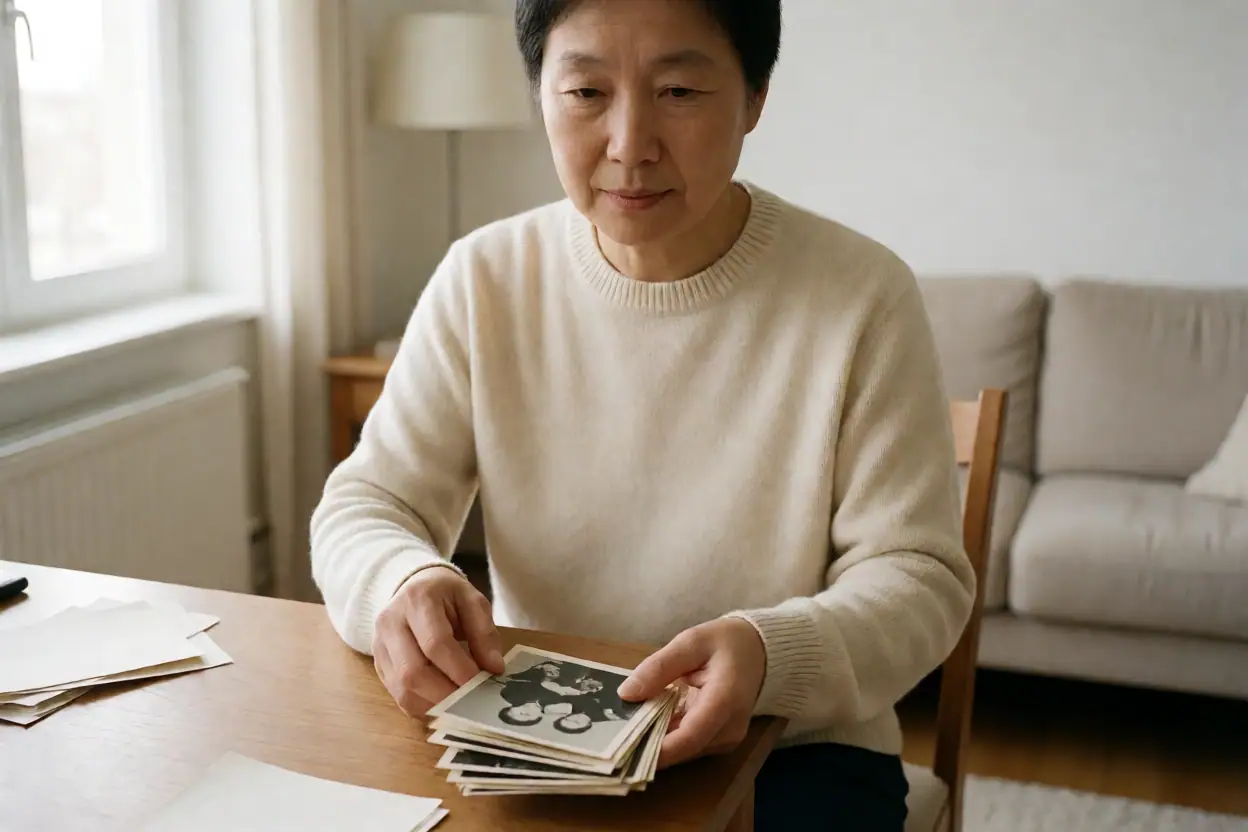
When discussing Men surname literature, it is first necessary to distinguish “门” as a surname from “门” as a Chinese word and cultural image. The clearer material currently available mainly consists of couplets compiled around settings such as temple gates, entrances, weddings, and funerals. These written records document people’s understanding of entering and leaving, ritual order, family relationships, and stages of life. They are valuable as folklore documents and linguistic materials, but they cannot directly prove that their authors belonged to the Men surname, nor can they be used to establish a genealogy of Men-surname writers.
In Buddhist temple couplets, “门” is often associated with cultivation, enlightenment, and engagement with or withdrawal from the world. Expressions such as “方便门” and “不二法门,” for example, retain their Buddhist context while also forming public inscriptions with a sense of antithetical beauty. As the spatial entrance to a temple, the mountain gate thus became a place where literary and religious ideas converged. Wedding couplets focus more on festivity, starting a family, and exchanges among relatives, while funeral couplets express remembrance, mourning, and evaluations of the deceased’s character. Together, these three types of writing constitute a form of applied literature rich in immediacy within traditional society. Their emphasis is on settings and customs, rather than on creative work belonging exclusively to a particular surname.
If research continues from the perspective of Men-surname family culture, “surname materials” and “literary materials” should be catalogued separately. A surname database can be used to verify the distribution of the Men surname, ancestral hall names, commanderies of origin, generation names, and migration clues. Online genealogies can then provide further information on the names, marriages, relocations, and occupations of members of specific branches. For modern and contemporary families, family memoirs can supplement genealogies, which often contain fewer records of educational experiences, writing activities, local life, and individual works. If a Men-surname figure did indeed produce poetry, prose, couplets, or publications, these should also be cross-checked against local gazetteers, newspapers and periodicals, collected works, epitaphs, and manuscripts preserved by the family.
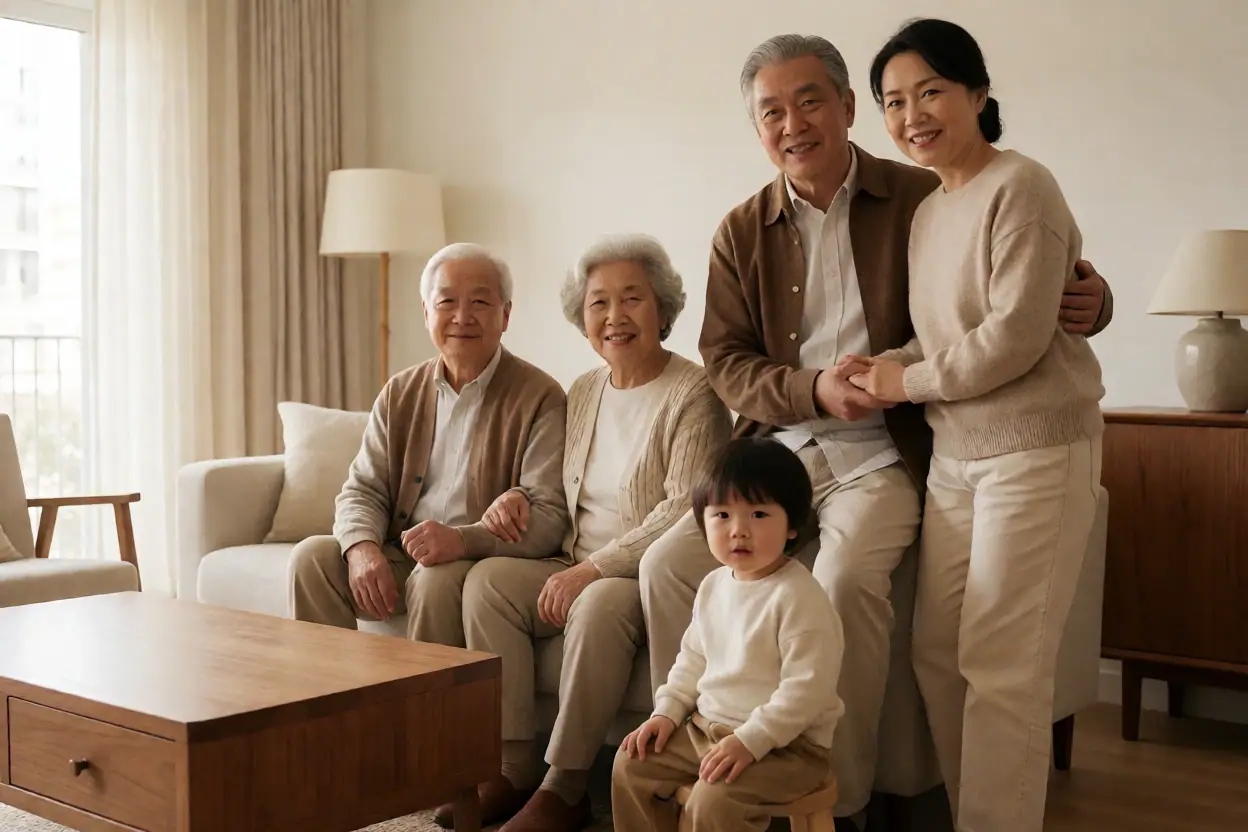
Materials concerning Men-surname literary figures, attribution of works, and lines of transmission remain incomplete. Even if two people share a surname, lived in the same place, or used the same ancestral hall name, this information alone cannot establish that they belonged to the same lineage branch. Genealogical research should begin with the known ancestral residence, the names of parents and grandparents, generation-name clues, and migration points, comparing genealogical records with local gazetteers item by item. Legends, oral accounts, and texts compiled online should instead be marked as leads until they are corroborated by original documents or multiple records. This approach preserves the literary memory of the Men surname while avoiding the misattribution of public couplets to the private works of a particular surname family.
Learn More and Verify
- Bin Surname Generation Names and Migration Clues: From Birth Order to Family Memories
- Examining Yan Surname Family Memories and Migration Clues from Yanji Village
- Continued Compilation of the Yan Clan Genealogy in Xiangtan: From Gathering Materials to Preserving Family Memory
- Pu Surname Pronunciation and Origin Clues: From Ancient Place Names to Family Genealogies
Genealogy Knowledge and Methods for Compiling Genealogies · Finding Genealogies and Local Gazetteers · Organize family-root-seeking leads