Naming a Baby with the Pang Surname: From Choosing Character Meanings to Family Heritage
Naming a baby with the surname Pang requires consideration of pronunciation, written form, and meaning, as well as attention to generational names, migration clues, and local traditions. Existing materials indicate that the Pang clan may have multiple origins, so names should be based on verifiable genealogical records, avoiding assumptions about clan relationships based solely on a shared surname.
When naming a baby with the Pang surname, it is generally helpful to consider pronunciation, form, and meaning. The pronunciation of Pang is clear, and the character has a dignified, substantial form. The second and third characters in the name can be chosen to provide some tonal variation and be simple to write, giving the full name a more flowing sound. In terms of meaning, parents may draw on qualities such as reason, integrity, diligence in learning, composure, and benevolence—for example, by choosing commonly used characters associated with brightness, lofty aspirations, refinement, or uprightness. It is best not to pursue obscure characters or overly complex combinations simply for their own sake.
Naming should also take the family's own circumstances into account. If the family has preserved generation names, clan rules, prefaces to old genealogies, or naming customs among earlier generations, first confirm whether this branch has used a continuous generation-name sequence before deciding which inherited character to include. Generation names are not shared by every Pang family, and people with the same surname may belong to different branches, so the appearance of the same character in their names cannot by itself establish that they belong to the same lineage. For oral accounts from older family members concerning ancestral places of residence, migration routes, ancestral halls, and former place names, it is also advisable to make a record first and then compare them with online genealogies, family memoirs, and local gazetteers.
Existing surname records describe the Pang surname as having multiple origins and mention Hedong Hall, as well as geographical-origin clues associated with Hedong, Taiyuan, and Henan. Related distribution is also found in Shaanxi, Shanxi, Gansu, Henan, Hebei, and other places. However, a hall designation, ancestral place of origin, or place of residence can only serve as a direction for research; none can independently prove that a particular family's ancestors came from a specific place, nor can they establish a particular line of descent. Pang branches in different regions may have their own founding ancestors of migration, generation names, and genealogy-revision traditions. Clear genealogical registers, inscriptions, epitaphs, local gazetteers, or family documents are still needed for verification.

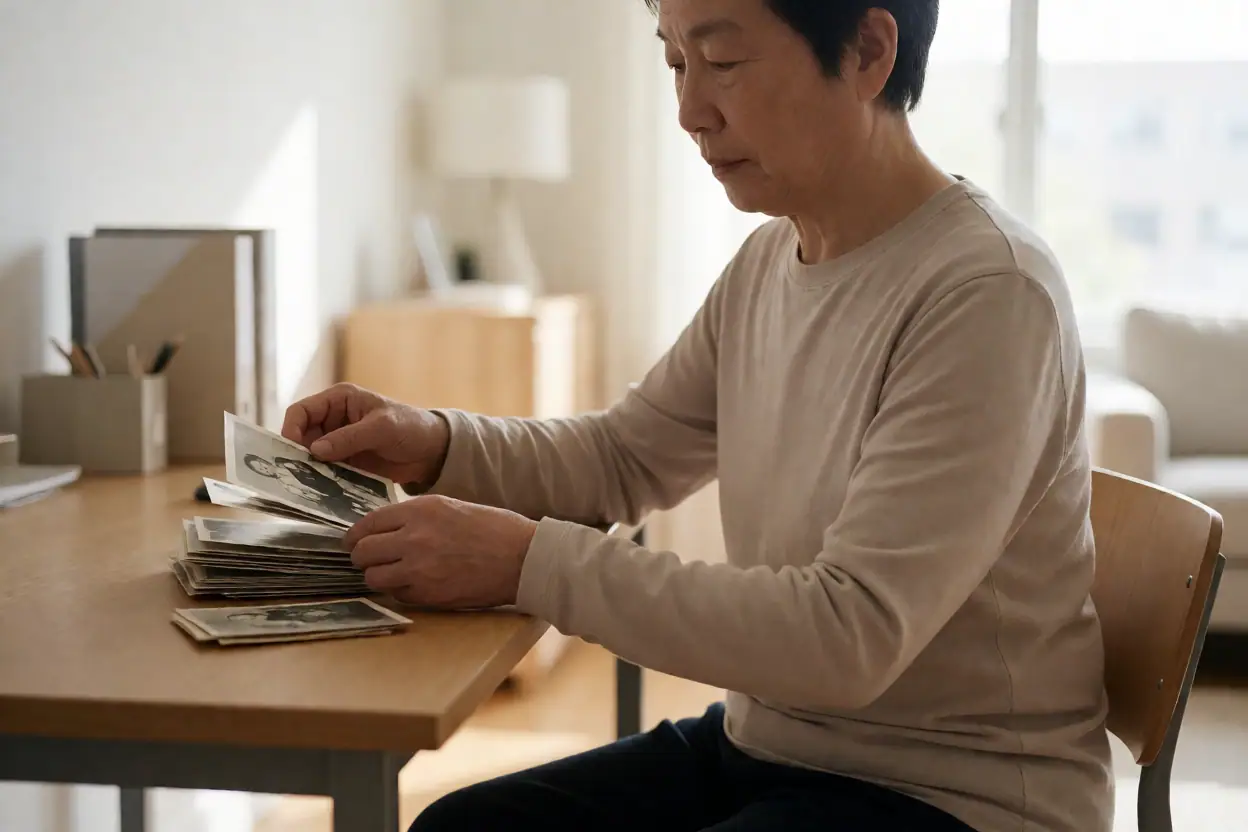
If the family wishes the name to reflect a connection to its roots, it can first organize information on relatives across three to five generations, including names, places of birth, places of residence, spouses' surnames, dates of migration, and known forms of address for older family members, then look for any consistent pattern in the generation names. When information is insufficient, it is preferable to choose characters with clear meanings that are easy to read and write and fit naturally into everyday life, rather than forcing in an ancestor's name or a regional symbol that has not yet been verified.
From the perspective of traditional family memory, a name is both an individual's form of address and a possible part of the family's narrative. Parents can record the reasons for choosing the name in a family memoir, along with the generation names, recommendations from elders, and related materials on which the choice was based. If additional entries are later added to the genealogy or new clues emerge from local gazetteers, the family history can then be further developed. This preserves the commemorative meaning of the name while avoiding treating speculation as a conclusive statement about lineage.
Learn More and Verify
- People and Family Heritage of the Gong Surname: From Historical Records to Genealogical Research
- Population and regional distribution of the Pang surname: from statistical clues to family roots
- Zixi Shao Genealogy: From Volume Records to Tracing Family Roots
- Gantang Shao Genealogy, Book Two: Analyzing the Genealogy Title and Family Clues
Genealogy Knowledge and Methods for Compiling Genealogies · Finding Genealogies and Local Gazetteers · Organize family-root-seeking leads