A Study of Clues on the Migration, Ancestral Worship, and Genealogical Records of the Ran Lineages in Songzi
The genealogical clues of the Ran clan in Songzi begin with Ran Rufu’s migration to Songzi. They record branches including Miaozi Fang, Fenggao Fang, Mashui Fang, Wanli Fang, and Shuchong Fang, and preserve information on temple construction, the continuation and revision of generation sequences, and genealogy revisions during the Republic of China period. Some dates, the order of figures, and place names still require verification against genealogical volumes, local gazetteers, and field materials.
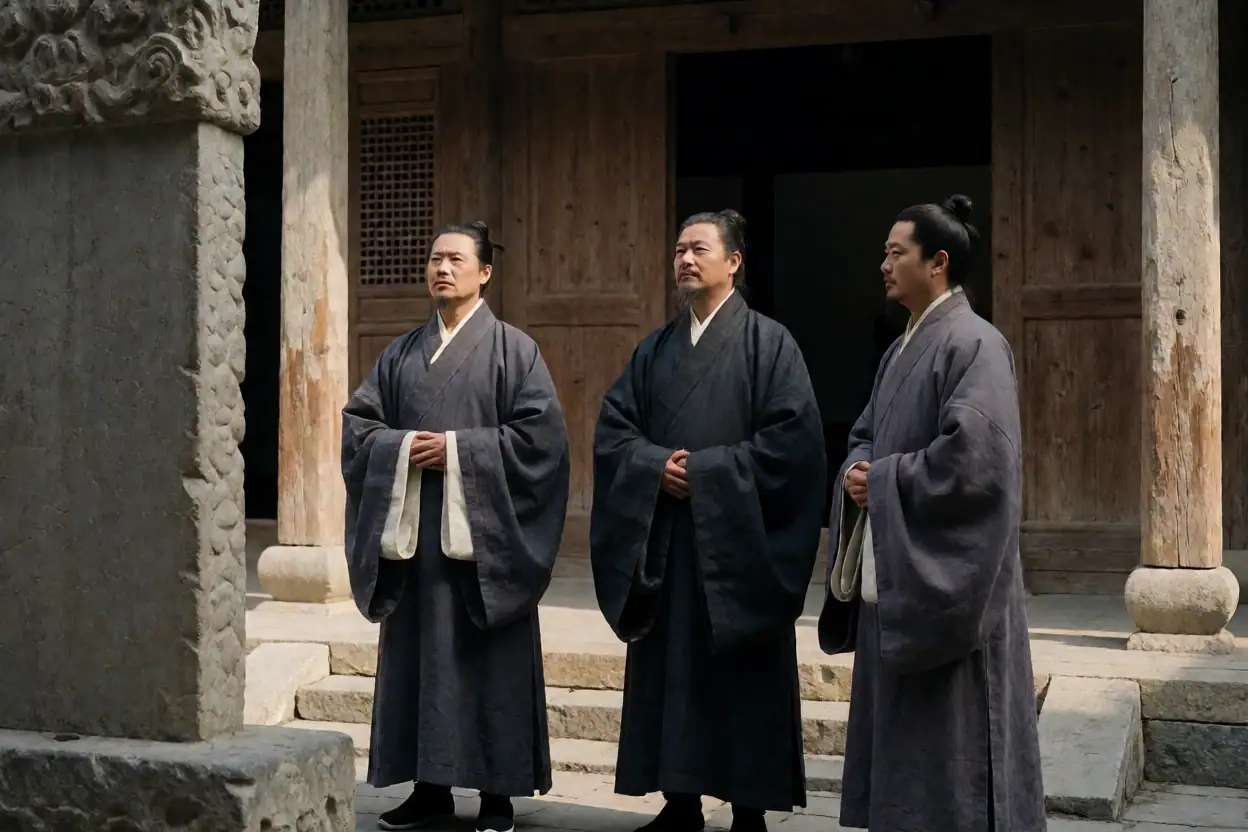
Existing genealogical narratives of the Ran family in Songzi regard Ran Rufu as the migrant ancestor of one local branch. He is said to have been originally from Yanzhou, Shandong, to have held office in Ji’an, Jiangxi, and to have come to Songzi at the end of the Yuan dynasty to avoid unrest; his accompanying brothers are said to have settled respectively in Mengjiawan, Jiangling, and Youlan Lake, Gong’an. Ran Rufu’s identity, official position, year of migration, and fraternal relationships are currently found mainly in family-inherited clues, and still need to be corroborated by early genealogy prefaces, local gazetteers, epitaphs, or officially compiled documents. Sharing the same surname does not necessarily mean belonging to the same lineage, and the genealogical relationship between the Ran family of Songzi and Ran families in other regions should not be determined solely on the basis of the surname and similar traditions.
One account places his grave at Baiyangdang, while another places it near present-day Tengzi Bridge in Chendian. The two accounts may derive from changes in place names, oral memory, or records in different genealogical books, and they cannot yet determine the precise location. In root-seeking research, old place names, current administrative divisions, rubbings of tomb inscriptions, land appellations, and memories of nearby villagers may be organized side by side, and then checked against maps, biographical sections, records of historic sites, and township materials in local gazetteer collections.
Regarding the formation of branches, inherited materials state that the sixth-generation Daohong had three sons. The eldest son, Shiying, lived at Ran Jiaxi in Nianpan; because there was a Ran Zi Temple there, this branch was commonly called the “Miaozi Branch.” The third son, Shixin, lived at Fenggaoling in Mashui, where a branch ancestral hall was established, and it later became known as the “Fenggao Branch.” The Fenggao Branch subsequently had records of further migration and branch formation: the twelfth-generation Shizhe moved to Mashuiping, forming the “Mashui Branch”; Danian of the fourteenth generation of the Mashui Branch established another branch ancestral hall, known as the “Wanli Branch”; and Bulin of the fifteenth generation of the Fenggao Branch moved to Shujiachong, forming the “Shuchong Branch.” These branch names served functions related to residence, ritual space, and family identification, but the specific generational order and the relationships among the branches should still be collated generation by generation according to a complete lineage chart.
In family memory, the Ran Zi Temple in Nianpan also carries the significance of an ancestral hall. Relevant records state that after the old temple was damaged, Kaike of the sixteenth generation presided over its reconstruction in the eleventh year of the Tongzhi reign of the Qing dynasty; in the second year of the Xuantong reign, Chengluo of the seventeenth generation again led clansmen in repairs and added a flower pavilion and meditation rooms. Whether the building was originally state-established, the specific scope of each phase of work, and the current condition of the site may be further investigated through local ancestral temple archives, inscriptions, and village survey materials.
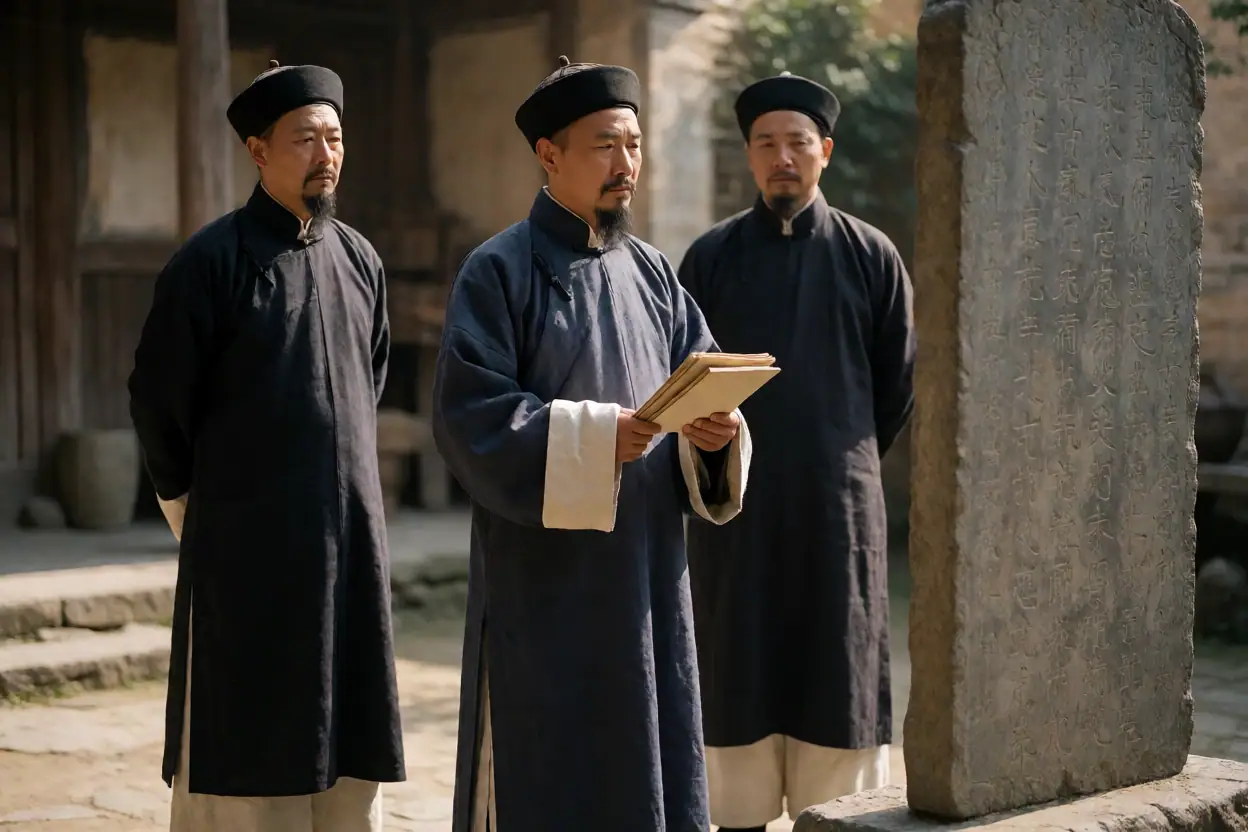
This branch preserves a relatively long generation-name sequence. The early sequence begins with characters such as “Ru, Ying, Xing, Ji, Gang,” followed by sequence characters such as “Dao, Shi, Ran, Cong”; during the Republican period, several additional sets of generation characters were added. Generation names can help determine the approximate seniority of members of the same branch, but they cannot by themselves prove blood relationships; particular attention should be paid to homophonous characters, character changes made to avoid taboos, adoption, and adjustments made in later genealogy revisions.
In the thirty-third year of the Republic of China, clansmen are said to have initiated the compilation of the Ran Family Genealogy, presided over by Ran Shaotai, resulting in an eight-volume thread-bound lithographic edition, copies of which are now reportedly held by public collecting institutions. If this genealogy can be matched with online genealogy images, surname-database catalogues, and library catalogue records, it will be an important basis for checking migration, lineage, individuals, and generation-name sequences. In the course of organization, family memoirs, old photographs, contracts, ritual registers, and oral histories may also be collected and cross-checked with local gazetteers from Songzi and neighboring areas such as Jiangling and Gong’an, so as to gradually distinguish facts recorded in the genealogy, local traditions, and later accretions.