Shanghang Hakka Genealogy Museum: Connecting Cross-Strait Community Ties Through Genealogical Records
Established in 2000 and completed and opened to the public in 2009, the Shanghang Hakka Genealogy Museum houses genealogies and related documents, ancestral charts, and other materials from Hakka areas of Fujian, Guangdong, and Jiangxi. It preserves local family memories while also providing important clues for Hakka people in China and overseas pursuing their roots, connecting genealogical records, and engaging in cultural exchange.
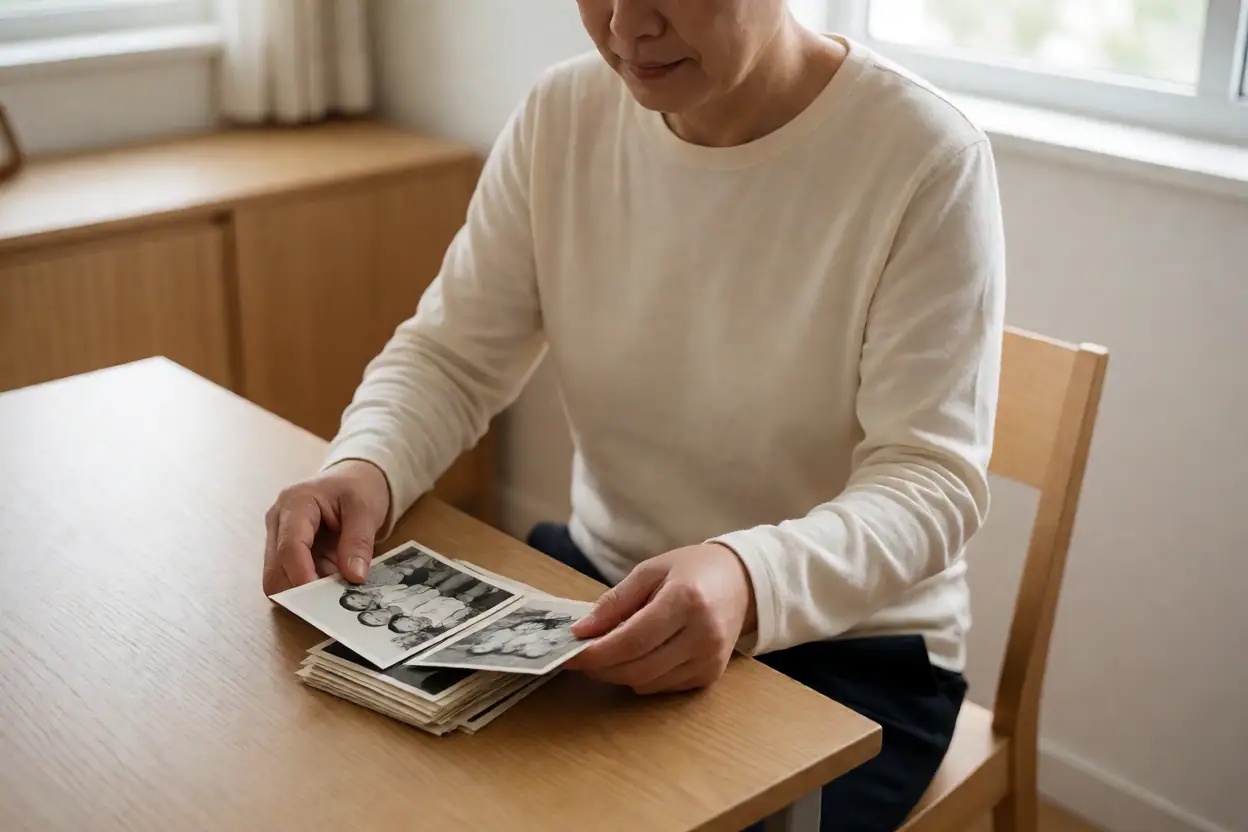
In the Hakka region of western Fujian, genealogies are not only records of family lineages but also important sources for examining population migration, rural society, and regional cultural exchange. The Shanghang Hakka Genealogy Museum was established in 2000 and completed and opened in 2009. After years of collection and organization, its holdings encompass genealogies from Hakka communities in Fujian, Guangdong, Jiangxi, and other areas, as well as related materials such as documents, contracts, and ancestral charts, forming a relatively concentrated body of Hakka genealogical records.
According to existing records, the collection covers 117 surnames, more than 1,600 works, and over 10,000 volumes, making it substantial in scale among collections preserving Hakka genealogies. The materials include genealogical records of the Li Huode and Zhang Huasun lineages, as well as those of the Liao and Qiu clans. The ancestors, branches, and migration accounts described in these genealogies often span Fujian, Guangdong, Jiangxi, and Taiwan, providing clues for studying Hakka migration routes, clan distribution, and changes in local society. However, specific lineages should still be cross-checked against genealogy prefaces, epitaphs, local gazetteers, ancestral-hall inscriptions, and different editions of genealogies; a shared surname or a single record alone is not sufficient to establish a common clan origin.
The value of genealogies is also evident in the practical process of tracing family roots. In recent years, Hakka people from Taiwan and other places have visited Shanghang to consult genealogical records and engage in exchanges. In 2009, a related Hakka genealogy exhibition traveled to Taiwan, facilitating the discovery and supplementation of family materials by different branches. During the exhibition, Chen Yunchang brought books and other materials concerning Hakka people and family development and entrusted them to be taken back to Shanghang for preservation. That same year, Lai Peijian of Shanghang, Fujian, reestablished contact with his elder brother after many years of separation through the exhibition. These experiences show that when genealogical records, old books, and oral memories are combined, they can provide new avenues for tracing family connections.
Today, tracing family roots involves more than finding the name of a founding ancestor. It also requires organizing information on places of residence in different periods, marital relationships, generation names, ancestral hall and tomb locations, and household branches. Surname databases can help clarify surname distribution and cultural connections; online genealogies make it easier to compare lineage information; family memoirs can preserve personal experiences and memories of migration; and local gazetteer databases can supplement background on village history, administrative changes, and historical figures. For families whose ancestral hall name, ancestral home, or migration routes have not yet been established, existing information should be marked as a lead, and conclusions should be deferred until original documents or multiple sources have been obtained.
The significance of the Shanghang Hakka Genealogy Museum lies in its ability to reconnect family documents scattered across different regions. What it preserves is not only names and lineages on paper, but also the local ties, kinship, and community memories formed along the routes of migration. Through careful organization, cross-checking, and continued exchange, genealogical records can serve as a bridge to understanding Hakka history and fostering people-to-people cultural communication across the Taiwan Strait.
Learn More and Verify
- Migration clues and branch analysis in the genealogical records of the Pan clan
- An Examination of the Huai Family Genealogy and the Transmission of Family Values in Jiangyin
- Clues from the Zhejiang Yu Clan Genealogy: Organizing Genealogical Records from Xiaoshan and Pujiang
- People and Family Heritage of the Gong Surname: From Historical Records to Genealogical Research
Genealogy Knowledge and Methods for Compiling Genealogies · Finding Genealogies and Local Gazetteers · Organize family-root-seeking leads