Bin Clan Gathering and Genealogical Heritage: Family Memory Through Ancestral Worship
A Bin clan gathering held in Dabitu, Quanzhou, Guangxi, included the completion of an ancestral hall, the presentation of genealogy books, and an ancestor-worship ceremony. The account highlights the Bin community’s emphasis on ancestral memory, family connections, and cultural transmission, while also suggesting that ancestral-roots research should carefully assess genealogies, local gazetteers, and field materials together.
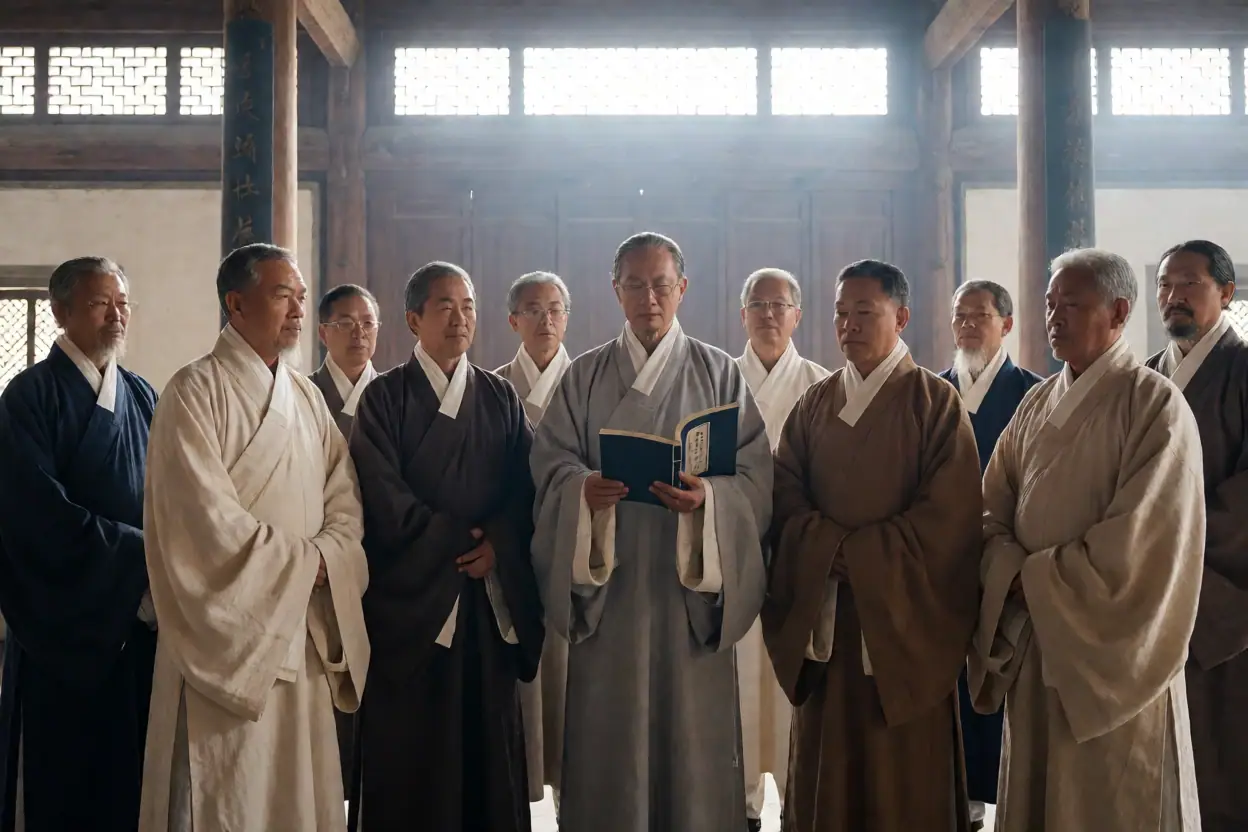
According to existing records, a Bin clan gathering was held in Dabaitou, Quanzhou, Guangxi. The activities included the completion of the Bin clan's Xu Wugong Ancestral Hall, the presentation of genealogy books, and rituals honoring the ancestors. Bin representatives from different regions gathered there to express their remembrance of their forebears through shared ceremonies and to strengthen ties among clan members. As spaces for worship, deliberation, and the preservation of family memory, ancestral halls in many places continue to connect present-day clan members with historical traditions.
The significance of such clan gatherings lies not only in the number of participants or the scale of the ceremonies. The compilation and presentation of genealogy books often involve identifying branches, organizing lineages, recording migrations, and preserving family traditions. The materials mention that the ancestral hall was built with donations from clan members in various places, and that the donors' names were recorded inside the building. This arrangement reflects the tradition of collective participation in public clan affairs and leaves future generations clues for examining the process of the ancestral hall's construction, methods of clan communication, and local social relationships. However, donation records themselves primarily document a public cultural activity and cannot directly serve as a basis for determining the genealogical proximity or branch affiliation of clan members.
The formation and transmission of the Bin surname still need to be examined within specific genealogical records and regional histories. Existing surname materials link clues concerning the Bin clan with places such as Henan, Runan, and Jingzhao, and list such lineage hall names as Henan Hall. They also indicate that clues concerning the Bin surname's distribution involve Henan, Shandong, Hebei, Jiangsu, Anhui, and other places. Lineage hall names, commanderies of origin, and places of residence can help researchers establish directions for further searches, but sharing a surname does not mean sharing the same lineage, and the same lineage hall name may have been adopted by different branches. Questions concerning the origin of the surname, the first ancestor to migrate, the branching and dispersal of lineages, and the dates when different places were settled should still be cross-checked against original genealogies, tombstones, ancestral-hall inscriptions, local gazetteers, and other contemporary documents.
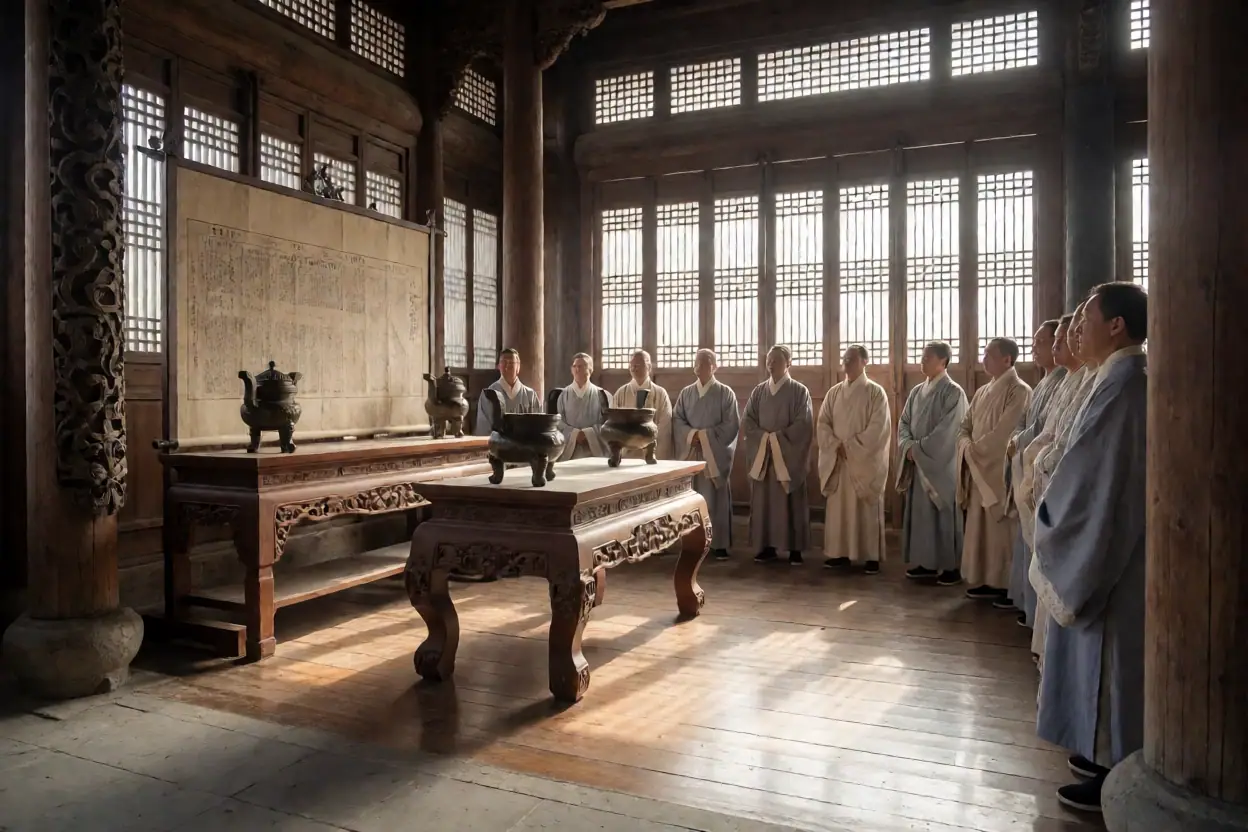
For Bin clan members who wish to trace their roots, a relatively prudent approach is to first organize the materials already held by the family, including ancestors' names, generational names, birthplaces and burial sites, marital relationships, places of migration, names of former residences, and oral recollections, and then compare them item by item with people bearing the same names in online genealogies. Family memoirs can supplement the life experiences that are less often recorded in genealogy books, while local gazetteers can help confirm the evolution of villages, changes in administrative divisions, and the areas in which historical figures were active. If different genealogical editions vary in their generational names, lineages, or migration routes, the differing accounts should be retained, with the source and degree of reliability of each material clearly indicated. Similar names or identical lineage hall names alone should not be used to force a connection.
Photographs, rosters, speeches, rubbings of inscriptions, and activity records preserved from clan gatherings likewise have value for family-history research. When organizing these materials, make every effort to note the time they were created, the recorder, the locations involved, and their relationship to the original documents, and label confirmed facts, clan traditions, and content that remains to be verified separately. By cross-referencing surname databases, online genealogies, family memoirs, root-tracing and ancestor-inquiry services, and local gazetteer databases, it is possible to gradually improve the historical outline of the Bin clan's branches in different places. However, the final identification of ancestors and the linking of lineages should still be based on verifiable evidence.
Learn More and Verify
- People and Family Heritage of the Gong Surname: From Historical Records to Genealogical Research
- Migration Clues and Family Memory of the Da Surname: From the Western Regions to Various Parts of Shaanxi and Gansu
- A Study of the Tong Surname in Guishan Village, Haiyang: Place-Name Evolution and Family Memories
- Clues to the Migration of the Zhang Surname in Anxi and Family Memories
Genealogy Knowledge and Methods for Compiling Genealogies · Finding Genealogies and Local Gazetteers · Organize family-root-seeking leads