Mianchi Hongyang Ru Family Settlements and Migration Memories
Family memories of Ru-surname settlements and branch migrations have been passed down in the Hongyang area of Mianchi, Henan. Relevant genealogies also concern Luoyang, Yiyang, Xinxiang, Lushi, and other places. Existing clues can be used to organize root-seeking research, but specific origins, genealogical lineages, and population figures still require verification against original genealogies, local gazetteers, and field materials.
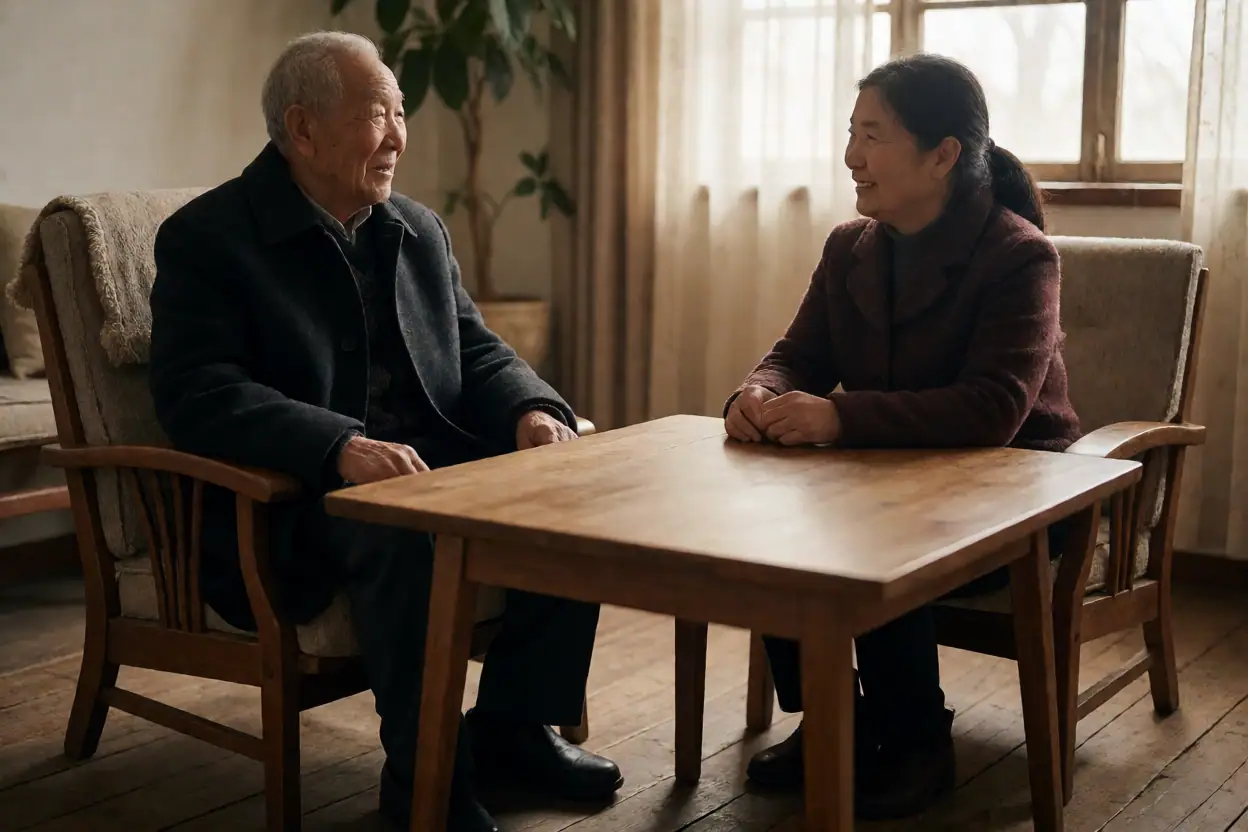
In the Hongyang area of Mianchi County, Henan Province, the Ru family has left behind relatively concentrated memories of village settlements. Local materials regard Potou as an important place of residence for one Ru branch and use the Gantang ancient tree as a symbol of the family taking root in its native land and continuing from generation to generation. The ancient tree and the village cannot directly prove a common ancestry, but they provide valuable clues for understanding the local distribution of the surname.
Regarding the distant origins of the Ru surname, existing accounts often link it to the ancient Rouran tribes and designations such as “Ruru,” and also mention historical records of several place names containing the character “Ru” in northern Shanxi. Such claims involve complex processes including ethnic migration, the evolution of group names, and the formation of Han Chinese surnames. Because these events date back a long time, continuous lineages cannot be confirmed solely on the basis of identical surnames or similar place names. Further assessment still requires comparison of official histories, local gazetteers, inscriptions, and different versions of genealogical records.
Regarding the family heritage of the Ru surname in Henan, genealogical traditions commonly mention the four branches of Renxiu, Yixiu, Lixiu, and Zhixiu, associated respectively with Potou in Mianchi, Ru'ao in Luoyang, the Yiyang area, and Rugang in Xinxiang. The materials also record that some branches later moved to Lushi, where they multiplied in Jianbeigou, Wulichuan, and surrounding villages. The locations, generations, and population figures above come from particular genealogical editions or family accounts and should be checked item by item against original genealogy pages, tomb inscriptions, contracts, and local gazetteers. They should not be used to infer that all people with the Ru surname originated from the same branch.
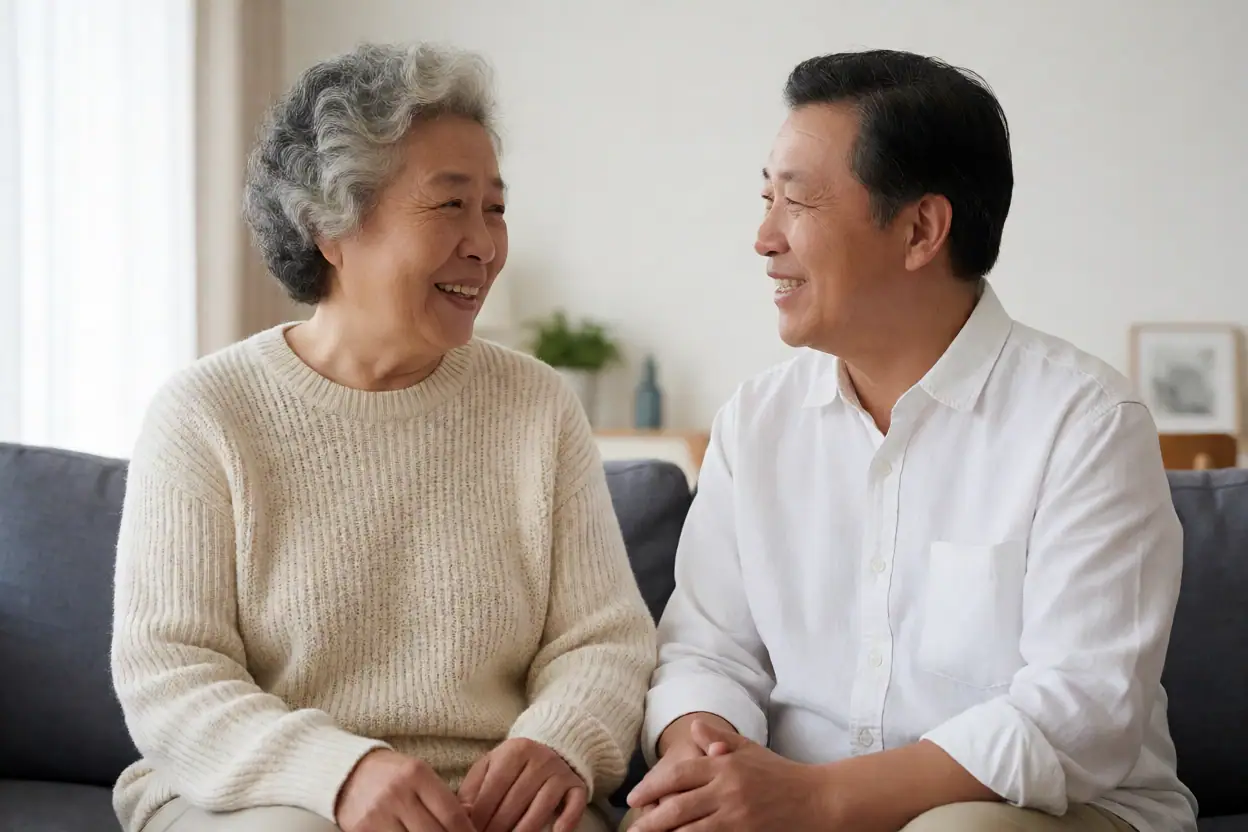
The significance of organizing a family genealogy lies not only in finding a distant founding ancestor, but also in confirming recent kinship, migration routes, and changes in villages. When researching the Ru family of Hongyang, one may begin with the prefaces, general rules, lineage tables, and branch records in surviving genealogies, then compare generational names, marriages, burial places, and former residence names with local gazetteers. Family memoirs can supplement accounts of migration and details of daily life, while online genealogies facilitate the collection of information about branches in other locations. When tracing roots and seeking ancestors, oral accounts should also identify the speaker, the time, and the level of evidence. By combining surname databases, local gazetteer databases, and field interviews to gradually establish correspondences among “people—places—periods—documents,” it is more likely that the connections among Ru branches in Hongyang and the surrounding areas can be clarified.
Learn More and Verify
- Migration Memories and Family Heritage of the Nie Family of Yuanjiang
- The Yu Surname in Dongzhi, Anhui: From the Former Sima Surname to Memories of Local Migration
- Shang family settlements in Shandong: Village names, migrations, and family memories
- The Distribution and Migration Clues of the Xi Surname in Hebei: From Village Memories to Genealogical Research
Genealogy Knowledge and Methods for Compiling Genealogies · Finding Genealogies and Local Gazetteers · Organize family-root-seeking leads