Clues to the Migration of the Da Surname and Family Memories: From the Western Regions to Shaanxi and Gansu
At different historical stages, the Da surname exhibited characteristics of multiple origins and a distribution spanning different regions. Existing materials include clues concerning origins in the Western Regions, settlement in Gansu during the Yuan and Ming periods, frontier garrison service in Shaanxi and Gansu, and later migration to Sichuan. However, ancestral origins, lineage sequences, and branch relationships still need to be checked individually against genealogies, local gazetteers, and family memories.
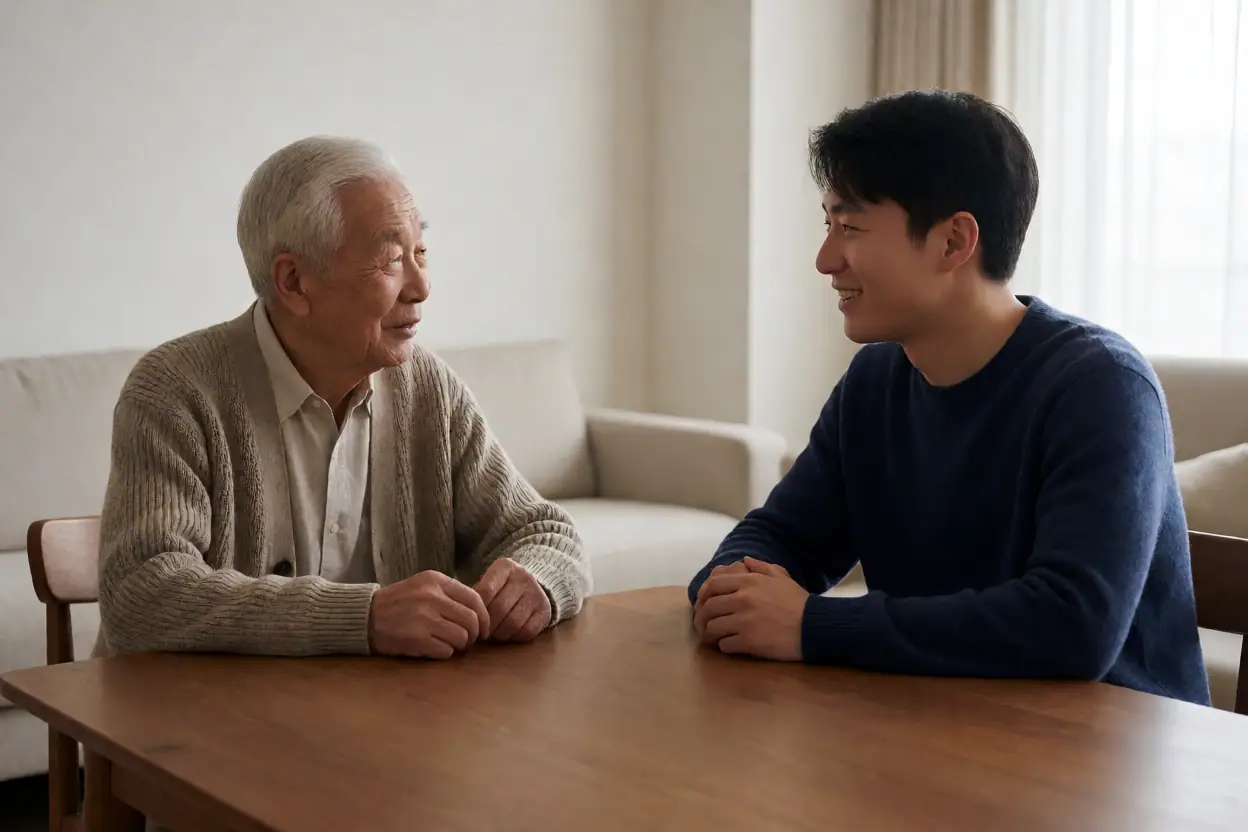
The history of the Da surname cannot be summarized by a single migration route. Existing surname materials suggest that the Da lineage may include different origins and branches. Some Hui Da-surname traditions associate the surname with origins in the Western Regions, while other materials connect it with a person named Wubalesha during the Dade era of the Yuan dynasty, stating that he once served as a “Tabutai” and settled in Taizhou, Zhejiang. These accounts reflect certain memories of the Da surname’s early activities, but the specific person’s identity, official service, and relationship to later branches still require verification against original genealogies, local gazetteers, and relevant historical documents. People should not be regarded as belonging to the same clan merely because they share the same surname.
Regarding the Da lineage in Gansu, a frequently circulated clue points to the early Ming period. The materials state that the ancestor of Da Yun, Ke Naya, and his brothers Ha Nada and Ha Naya settled in Gansu and were each appointed as provisional Hundred-household officers, stationed at Jincheng Guard, Liangzhou, and other places. If this account can be corroborated by guard and garrison archives, local gazetteers, or family genealogies, it may indicate that some Da branches were connected with Ming military registers, frontier garrisons, and population movements. However, the written forms of personal names, official titles, areas of stationing, and transmission across generations may all differ because of manuscript copies, transcriptions, or family narratives, and should be examined individually.
The natural environment, warfare, and the guard-and-garrison system in northwest China once encouraged many families to move between Shaanxi and Gansu. Some descendants of the Da surname are said to be distributed in Lanzhou, Jinchang, Liangzhou, and Mei and Fuping counties in Shaanxi, while other branches migrated to Ningxia, Qinghai, Xinjiang, Sichuan, Beijing, Zhejiang, Hunan, and other places. Population movements during the Qing dynasty and the migration background known as “Huguang Filling Sichuan” have also been used to explain the migration of some Da families into Sichuan. However, “migrating to a particular place” does not mean that all Da families there descended from the same founding ancestor. Specific branches still need to be assessed comprehensively through genealogical prefaces, generation names, burials, ancestral hall records, and continuous evidence of residence.

When tracing the history of a Da-surname family, one can begin with surviving genealogies, family memoirs, and local gazetteers from ancestral places of residence. Record the founding ancestor of the migration, the time of relocation, spouses, children, generation names, and the locations of ancestral halls and tombs, then compare them item by item with variant characters, former place names, and branch information in online genealogies. For families whose genealogies have been lost, oral memories can provide direction, but their hearsay status should be identified, and efforts should be made to substantiate them with inscriptions, contracts, household registers, epitaphs, or local gazetteers. Surname databases can help organize clues concerning lineage halls, distribution, and historical figures, while genealogical research resources are useful for organizing clues provided by families. Local gazetteer databases can further help verify changes in administrative divisions and place names. Only when multiple types of materials corroborate one another can the ancestral origins and migration history of a particular Da branch be discussed with reasonable confidence.
Learn More and Verify
- Clues to the Migration of the Zhang Surname in Anxi and Family Memories
- Clues to the Migration of the Si Surname and Genealogical Transmission: From Local Memories to Lineage Examination
- Clues to the Migration of the Da Surname in Gansu and Genealogical Verification
- Bin Surname Generation Names and Migration Clues: From Birth Order to Family Memories
Genealogy Knowledge and Methods for Compiling Genealogies · Finding Genealogies and Local Gazetteers · Organize family-root-seeking leads