An Investigative Study of the Legend of the Guo Surname Change and Clues to Migration to Liaodong
Existing records link the formation of one branch of the Guo (果) clan to migrations in Liaodong during the Ming–Qing transition, military registration, and surnames bestowed during the Qing dynasty. These accounts involve the original surname, migration routes, and family genealogies, and still require item-by-item verification against genealogies, local gazetteers, and material evidence.
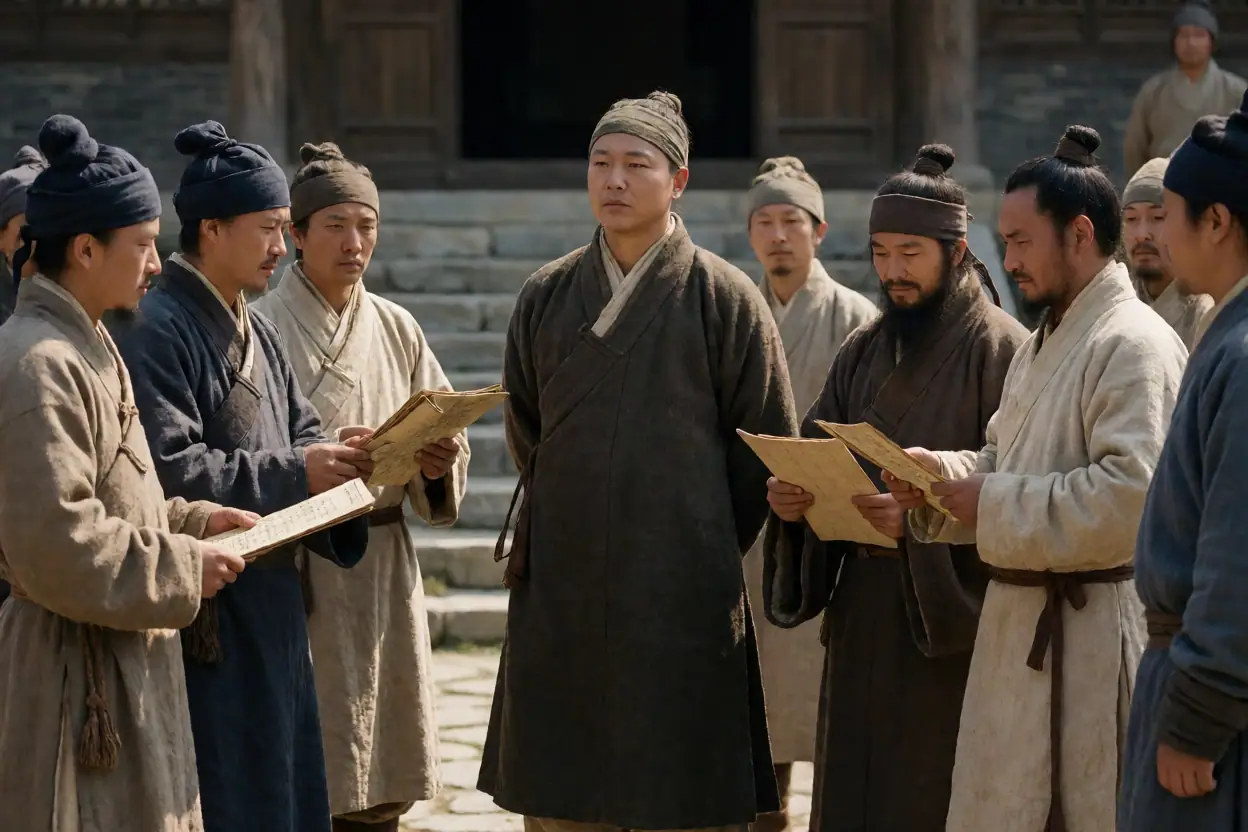
The origins of the Guo lineage are relatively uncommon. Among existing family records, one branch links its formation to migration to Liaodong during the Ming–Qing transition. According to this account, its ancestors may originally have been from the Penglai area of Shandong during the Ming dynasty. Later, amid changing circumstances, they led their clan north across the sea, reached Liaodong, and submitted to the Later Jin regime. Different accounts circulate regarding the original surname of the ancestors of this branch, including Gao, Zhan, and Zhan, but they are inconsistent with one another, so the early surname cannot at present be determined on this basis.
Related accounts also state that members of this branch participated as naval troops in military activities under the Later Jin and in the early Qing, and accompanied the army on its northern campaign during the Kangxi era. After the conclusion of the Yaksa campaign, some military-registered personnel accompanied the army to garrison Qiqihar. According to the legend, because its leader fought bravely, the Qing court bestowed “Guo” as a surname and referred to the leader as Guo Songshan, after which the clan adopted the Guo surname. If this record can be corroborated by genealogies, archives, or local gazetteers, the claim that “the Guo surname originated through a bestowed surname” may be regarded as a family memory of some branches; however, it cannot directly represent the common origin of all people surnamed Guo.
Genealogical clues currently available include the Huai Shan Tang Guo Genealogy, as well as local memories concerning the “Guo Family Compound” in the Qiqihar area. Prefaces, lineage tables, burial records, migration notes, and the dates when genealogies were compiled or revised often provide more useful evidence for assessing a branch’s actual transmission than later summaries. A hall name, commandery affiliation, or ancestral residence can serve only as a clue for identification and cannot alone prove that branches sharing the same surname belong to the same clan. In particular, Guo families in different regions may have separately undergone surname changes, avoidance of taboo characters, phonetic adaptations in transcription, or sinicization among ethnic minority groups. They must therefore be distinguished through the continuous genealogy of each specific branch.
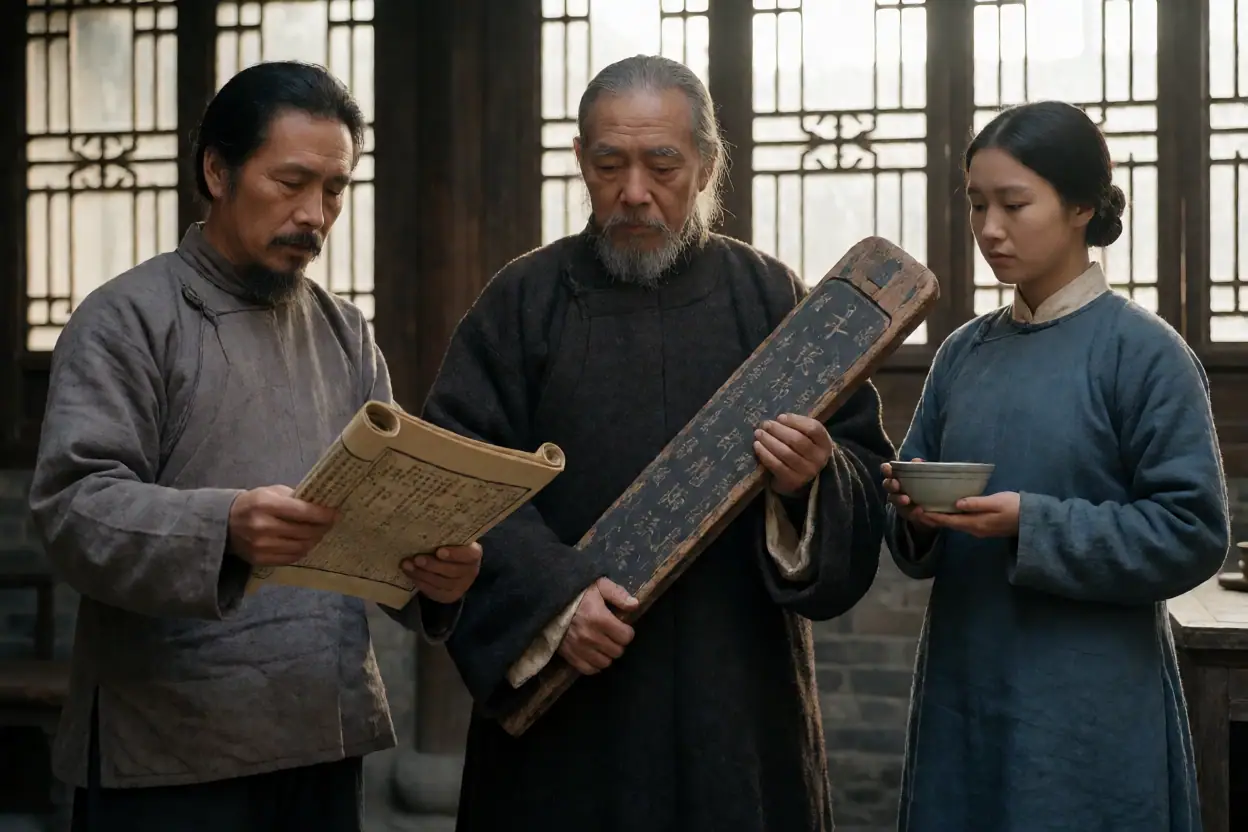
When tracing one’s roots, begin by organizing the genealogy pages, photographs of tombstones, information about ancestral residences, generational-name sequences, and oral accounts from elders that remain in the family, then compare them item by item with the names, dates, and migration locations in online genealogies. Family memoirs can supplement the details of daily life missing from scattered genealogical records, while local gazetteers can be used to verify changes in villages, military garrison activities, ancestral halls and burial sites, and accounts of individuals. If early genealogical prefaces, Qing-dynasty contracts, commendation plaques, or related archival materials can be found, they may help further determine when the surname was bestowed and the scope to which it applied. At present, accounts of migration and surname change among some Guo branches are of research value, but they should still be described as “traditionally transmitted” or “recorded in genealogies” until more primary materials emerge and a definitive conclusion can be reached.