Origins, Distribution, and Genealogical Analysis of the Dongguo Compound Surname
Dongguo is a compound surname formed from a directional place name. Relevant sources often associate it with Jiyang Hall, Qi Commandery, and Henan, and it is also found in Shandong, Henan, Hebei, Jiangsu, Shaanxi, and other areas. Dongguo families in different regions may not share the same ancestry, so tracing their origins still requires examination of genealogies, migration records, and local historical sources.
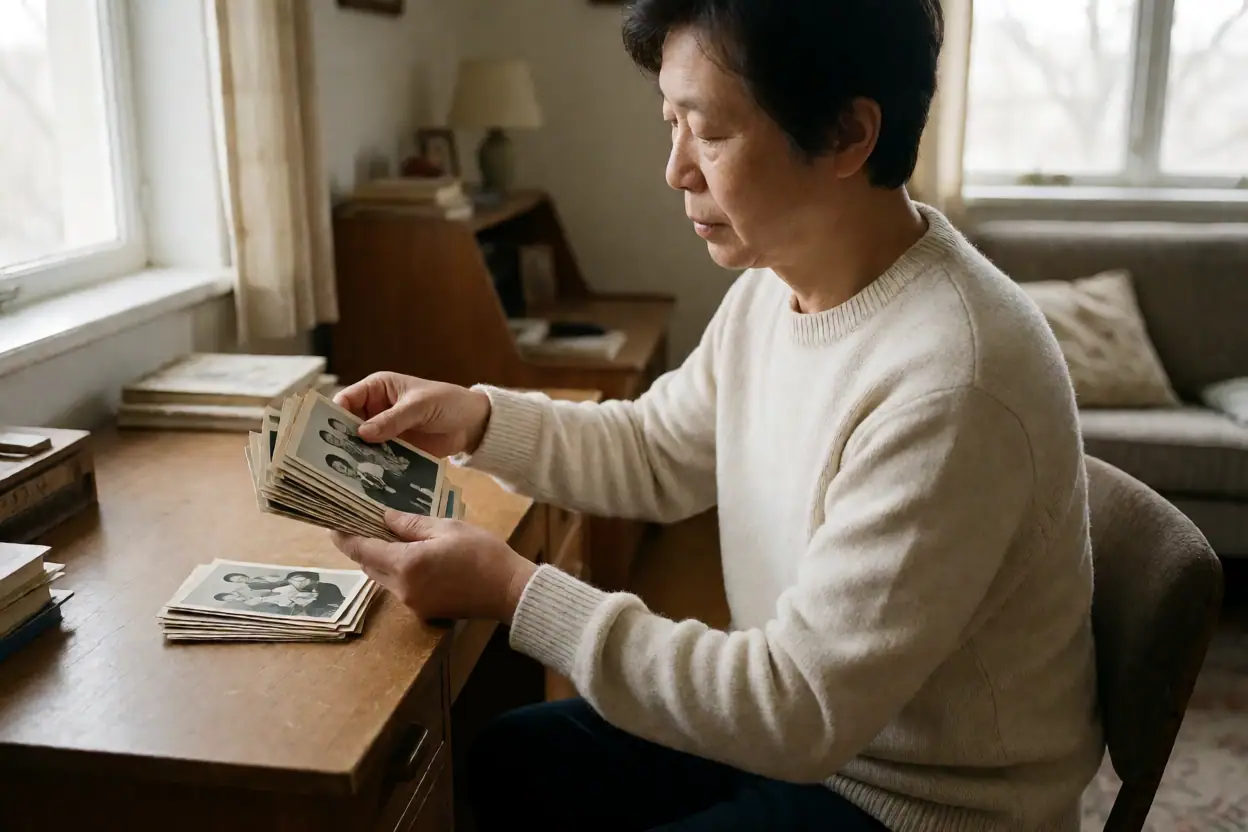
Dongguo is a compound surname within the Chinese surname system. The name “Dongguo” originally carried connotations of direction and place of residence. In ancient times, geographical markers such as areas inside and outside city walls and locations to the east, west, south, or north were often used to distinguish residential areas, and some families later adopted such designations as surnames. Existing surname sources generally describe the early formation of the Dongguo surname as a “directional compound surname” and mention accounts linking it to a branch of the state of Qi. However, these accounts of its origin belong to traditional genealogical narratives. The specific process of its formation should still be verified item by item against pre-Qin texts, historical works on surnames, and family genealogies from different regions; a shared ancestor cannot be established solely from the surname itself.
Sources commonly identify “Jiyang Hall” as the hall name of Dongguo families and list Jiyang, Qi Commandery, and Henan as related commandery affiliations or former ancestral places. A hall name is generally used to identify a branch’s cultural heritage, memories of its place of residence, or the achievements of its forebears. The same surname may use different hall names, while the same hall name does not necessarily mean that people in different regions share a direct genealogical line. Therefore, “Jiyang Hall” can serve as a clue when consulting genealogies, but it cannot by itself establish a lineage branch. Jiyang, Qi Commandery, and Henan underwent numerous administrative changes over history, and present-day place names may not correspond exactly to their ancient designations. When consulting sources, first confirm the period and geographical scope in which each document was produced.
Based on regional records in existing surname sources, descendants of Dongguo or related branches have been recorded in Shandong, Henan, Hebei, Jiangsu, Shaanxi, and other areas. These distribution records are more useful for determining the direction of a roots search: first look for local Dongguo genealogies, ancestral-hall inscriptions, epitaphs, prefaces to clan genealogies, and migration records, then compare them with genealogical copies from neighboring areas. If a genealogy contains statements such as “moved from one place to another,” “first ancestor to migrate,” “division into household branches,” or “subsequent revision,” the dates of the individuals, places of residence, and genealogical lines must be further verified to determine whether they connect coherently.

Although Dongguo and Guo share similar characters, and some family narratives may involve combined genealogies, surname changes, avoidance of naming taboos, or abbreviated forms, the Dongguo compound surname cannot be directly regarded as a branch of the Guo surname, nor can the generational name sequence of Guo families be directly applied to Dongguo. Any specific connection between the two should be assessed on the basis of continuous and verifiable genealogical lines, burial or inscriptional materials, household-registration documents, and local gazetteers. Online genealogies can help organize clues about branches, place names, and individuals, while family memoirs can help preserve migration stories and oral memories; however, oral accounts should still be cross-checked against genealogical records and local documents. For Dongguo descendants seeking their roots, it is advisable to begin with names, generational names, ancestral residences, and burial sites within three generations of their current place of residence, then trace the line back step by step. Different versions of the records should be labeled separately to avoid conflating legend, speculation, and verified fact.
Learn More and Verify
- An Examination of the Distribution of the Xi Surname in Henan and Clues from Genealogies
- Migration Clues for the Rong Surname and Genealogical Analysis of the Wutai Branch
- The Guan Surname: Distribution and Migration Clues—from Regional Settlements to Genealogical Roots
- Clues to the Migration of the Da Surname in Gansu and Genealogical Verification
Genealogy Knowledge and Methods for Compiling Genealogies · Finding Genealogies and Local Gazetteers · Organize family-root-seeking leads