People of the Bei Surname and Memories of Its Branches: From Celebrated Figures in Historical Records to Family Roots
People bearing the Bei surname appear in records from the Eastern Han, the Southern Dynasties, the Tang and Song, and the Ming and Qing periods, with areas of activity including present-day Zhejiang, Jiangsu, and Henan. The relevant records include both official histories and documentary clues, as well as traditions transmitted through genealogies; each item must be checked against genealogical records, local gazetteers, and family memories.
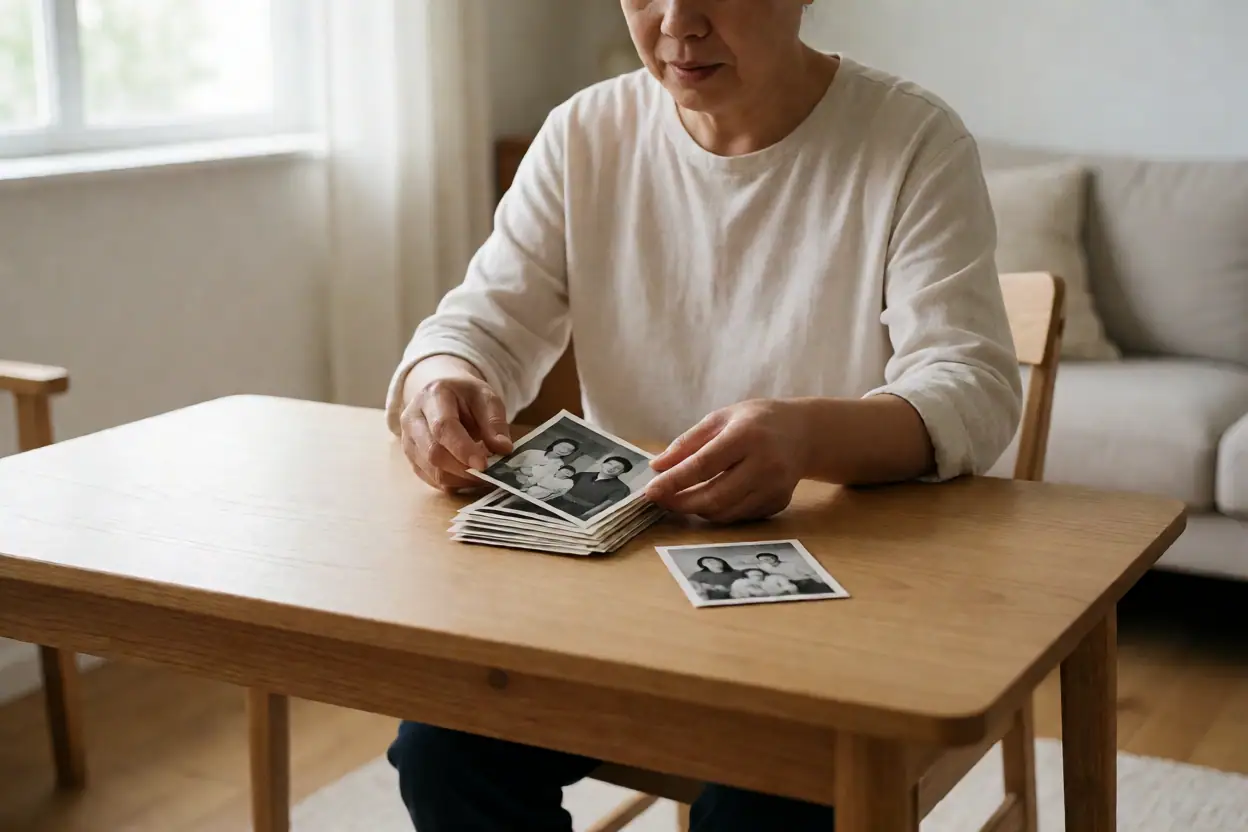
The Bei surname has a long history of continuity in both historical literature and genealogical records. Existing surname sources associate the Bei clan’s ancestral commanderies, hall names, and several regional distributions, and mention the place name Beiqiu as well as legends concerning different branches. However, a shared hall name, nearby places of residence, or the same surname among individuals cannot, on their own, establish the existence of a common ancestor. Specific lineages should still be corroborated through reliable genealogies and local documents.
In historical records, Bei Yuan is identified as a figure of the Eastern Han, with accounts placing his ancestral home in Yuancheng of Wei Commandery. Bei Yiyuan appears in records as a calligrapher of the Liang dynasty of the Southern Dynasties, with Wuxing commonly given as his native place. Materials concerning Bei Yiyuan focus primarily on the writing of inscriptions; surviving inscriptions and assessments of his calligraphic style provide an entry point for researching this Bei figure in the history of Southern Dynasties calligraphy. The Tang-dynasty painter Bei Jun is traditionally said to have excelled at painting flowers and birds, particularly eagles and falcons. His activities are generally discussed in connection with historical materials on ancient painting, but his birth and death dates and complete family background still require further investigation.
Records of Bei Qinshi in the Song dynasty focus on local administration and water-conservancy projects. According to relevant accounts, while serving as magistrate of Jiangyin County, he organized local people to dredge a canal that had long been silted up, reflecting the traditional emphasis placed by local officials on agricultural water conservancy. From the transition between the Yuan and Ming dynasties through the Ming dynasty, the names Bei Qiong, Bei Tai, and others also appear in records of literature, education in history, and official careers. Bei Qiong, whose alternate name was Que and whose courtesy name was Tingju, is associated with Haining and Chongde in different accounts; Bei Tai is described as a native of Jinhua and is said to have held a position related to the Imperial Academy. Because ancient texts often contain variant readings, the figures’ native places, personal names, courtesy names, and official careers should still be checked individually.

Bei Qingqiao, a relatively prominent Bei-surname scholar of the Qing dynasty, had the courtesy name Zimu and the art name Wujiu. Active in the Wuxian area, he was known for his poetry. His surviving poetry manuscripts and separately published works provide clues for studying his life and literary associations. It is important to note that biographical materials on notable figures can document the historical activities of certain people with the Bei surname, but cannot automatically prove that Bei families living in different places today belong to the same lineage as those figures. The Bei surname is found in Jiangsu, Zhejiang, Shandong, Henan, Guangdong, and elsewhere. Geographic information mainly reflects population migration and settlement patterns and cannot, by itself, serve as grounds for establishing ancestry.
To trace a particular Bei family branch, begin by organizing information such as ancestral places of residence, migration dates, ancestors’ names, generational names, tombs, and ancestral halls. This information can then be compared with villages, individuals, and marriage records found in online genealogies, family memoirs, and local gazetteers. Surname databases can be used to understand the broader background of the Bei surname, genealogical records can help clarify branch divisions and lineages, and local gazetteers can supplement the historical background of administrative changes and individuals’ activities. For claims concerning hall names, founding ancestors of migrations, and relationships to distant ancestors, it is advisable to retain wording such as “reportedly,” “recorded in the genealogy,” and “still to be verified,” and to make more definite judgments only after original genealogies, inscriptions, or archival documents are found.
Learn More and Verify
- Hou surname figures and branch clues: from historical records to tracing family roots
- Clues about Guan-Surname Figures and Family Memory: From Source Analysis to Root-Seeking
- People and Family Heritage of the Gong Surname: From Historical Records to Genealogical Research
- Historical source clues from memories of Ao-surname figures and family ancestral research
Genealogy Knowledge and Methods for Compiling Genealogies · Finding Genealogies and Local Gazetteers · Organize family-root-seeking leads