A Study of the Migration Lineage and Historical Figures of the Qi Clan of Yuzhang, Jiangxi: From the Jin-Dynasty Ancestor to Ming–Qing Ancestral Halls
This article traces the evolution of the Qi surname in Jiangxi, focusing on the historical context in which Qi Jizhi settled in Yuzhang after entering Jiangxi during the Jin dynasty. Drawing on surviving ancestral halls and genealogical records in Gao’an, Jinzhai, and other places, it examines the multiple theories concerning origins from the Fangfeng clan and surnames bestowed during the Zhou dynasty, and compiles accounts of representative figures from different periods, including Qidiao Kai and Qi Deyan, to provide an objective reference for tracing family roots and ancestry.
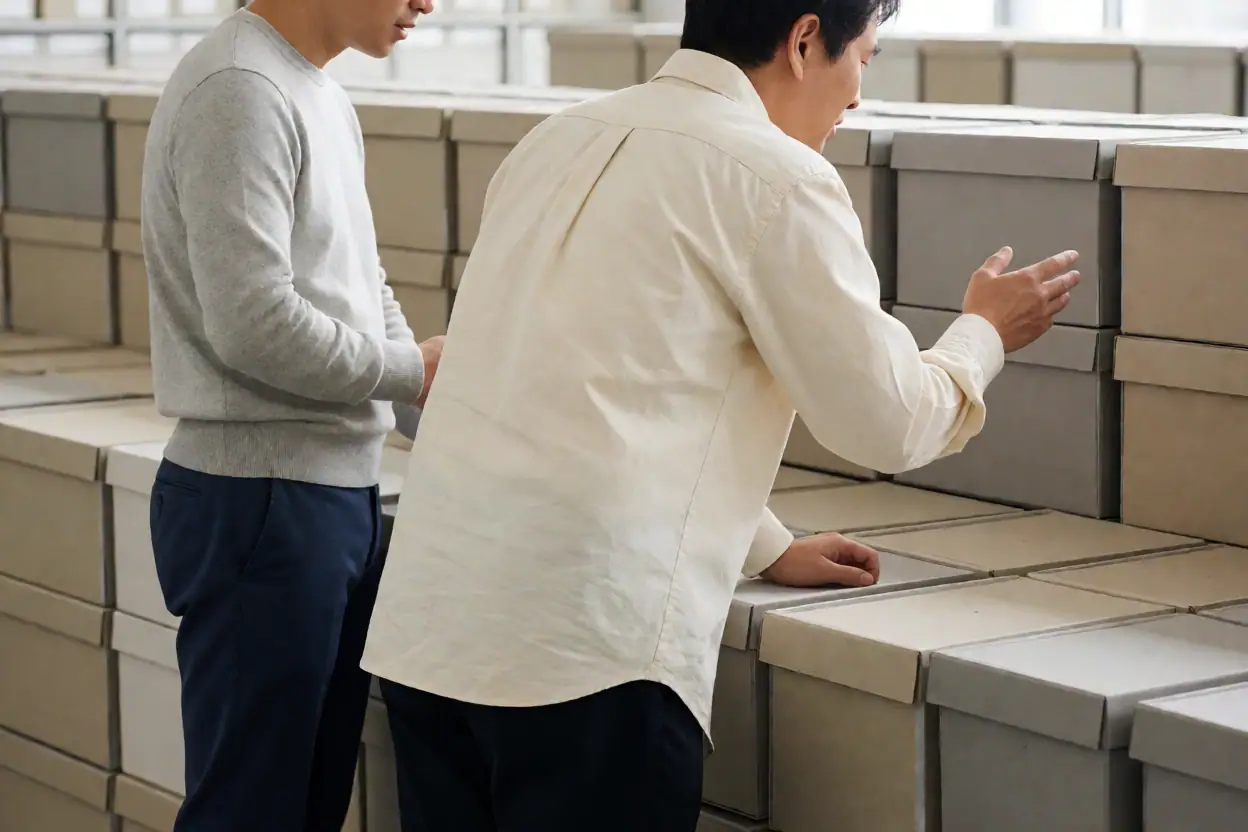
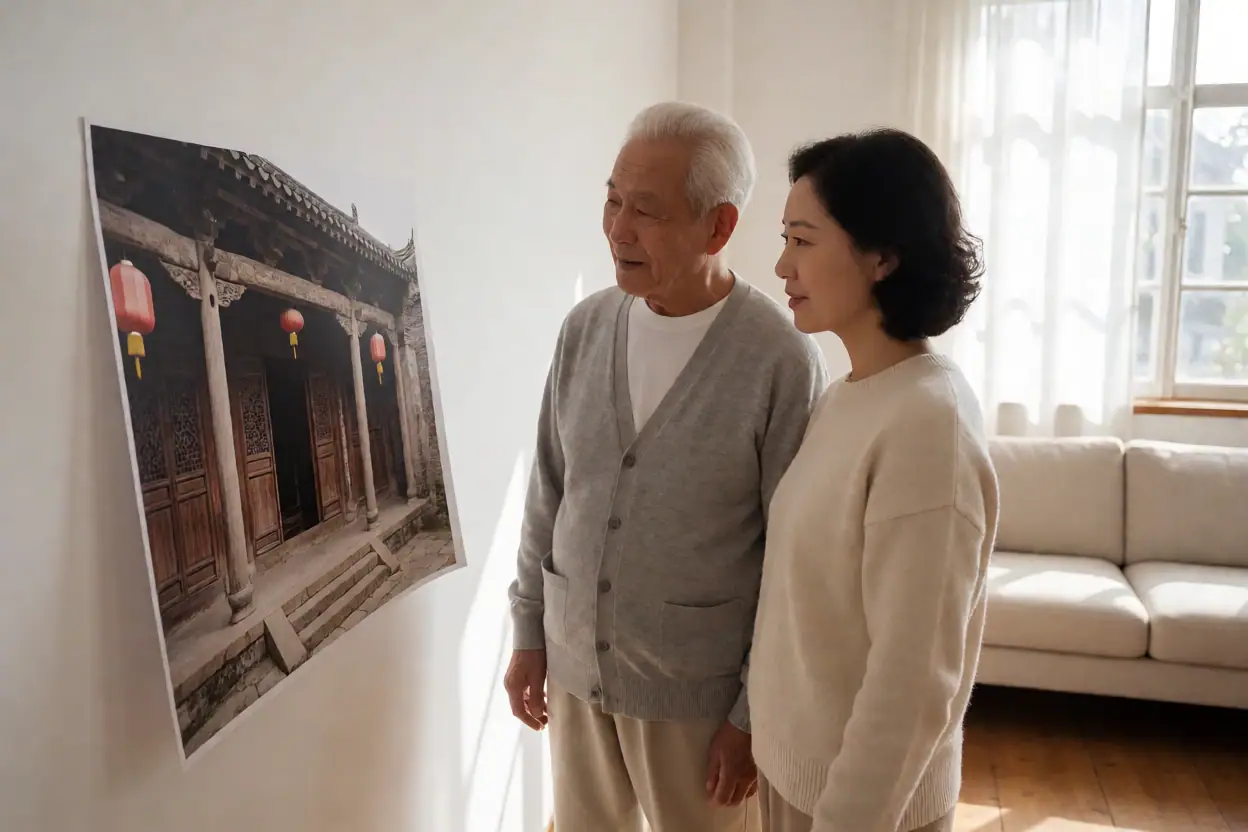
As a Han Chinese surname with a long history, Qi has multiple coexisting origins as reflected in historical records and popular memory. One widely circulated account holds that the ancestors of the Qi surname belonged to the Fangfeng clan during the Xia dynasty. After the fall of Xia and the rise of Zhou, Ji Ran, the son of King Wen of Zhou, was enfeoffed in the area between the Qi and Ju Rivers and consequently adopted “Qi” as his surname, giving rise to the compound surname “Qidiao.” Records of this lineage are commonly found in clan genealogies and local gazetteers across different regions, illustrating the widespread practice of surnames being conferred from place names. For the Qi clan in Jiangxi, a key turning point in its migration history occurred during the Yongjia era of the Jin dynasty. According to the genealogy of the Qi clan of Beihai in Yifeng, Qi Jizhi served as governor of Hongzhou while holding the rank of Zhong San Dafu, and subsequently settled in Yangsheli near Meixi on the outskirts of Yuzhang. Because Qi surname settlements were rare in Jiangxi at the time, Qi Jizhi and his brothers Qi Helie and Qi Chi, who later also took official posts in Jiangxi, came to be honored by later generations as the founding ancestors of the Jiangxi Qi clan. This migration not only laid the foundation for the Qi clan in Jiangxi but also initiated the branch’s subsequent growth in the Jiangnan region. In terms of clan culture and architectural remains, parts of Jiangxi preserve valuable historical evidence. For example, in Chenlong, an ancient village in Jinzhai, a two-entry hall that enshrines the memorial tablet of the first-generation ancestor Qi Shisi has survived to this day. This old residence, which has endured more than 300 years of wind and rain, bears witness to the Qi family’s settlement and continuity in the area since the Ming and Qing dynasties; its sturdy structure also symbolically conveys the resilience of the clan spirit. In Gao’an and other places, the Qi surname has produced many notable figures. One example is the modern watercolor painter Qi Deyan, whose works, including “The Meeting of the Armies at Jinggangshan,” have been collected by relevant museums, reflecting the achievements of Qi family members in the arts. Looking further back, among Confucius’s disciples during the Spring and Autumn period were figures with the compound surname Qidiao, such as Qidiao Duo and Qidiao Kai. They were known for their virtue or courage, and the “Qidiao school of Confucianism” became an important branch of the Confucian tradition, demonstrating the influence of the Qi surname in early cultural history. It should be noted that sharing a surname does not necessarily mean belonging to the same clan. Genealogies of the Qi clan from different regions may vary in their accounts of founding ancestors, migration routes, and generational names. When tracing one’s roots and honoring one’s ancestors, it is advisable to carefully compare records from different branches alongside online genealogy searches and local gazetteers. Cross-checking surname databases and supplementing them with oral history from family memoirs can provide a more comprehensive reconstruction of a family’s lineage. Whether tracing the pioneering history of Yuzhang during the Jin dynasty or exploring the administrative achievements of officials such as Qi Xifan of Gao’an during the Yuan and Ming periods, rigorous research and an open perspective are essential to understanding Qi clan culture.
Learn More and Verify
- Migration history of the Bin surname and clues for tracing family roots through genealogical records
- A study of figures from the Qinlong Wei clan: from Wei Xiao to tracing family roots
- The genealogy and migration clues of notable figures in the Zhuang clan: from Zhuangzi to modern and contemporary figures
- Chu-Surname Figures and Migration Clues: From Poets to Distinguished Local Officials
Genealogy Knowledge and Methods for Compiling Genealogies · Finding Genealogies and Local Gazetteers · Organize family-root-seeking leads