The Cuan (爨) Surname: A Cautious Examination of Clues from a Complex Character to Ancestral Origins
Cuan is one of the Chinese surnames with a large number of strokes and an unusually distinctive pronunciation and written form. Existing accounts of its origin involve clues related to official positions, fiefdoms, and graphic variants or phonetic loans, but the traditions of different regions and family branches still require item-by-item verification against genealogical records, local gazetteers, and family memory.
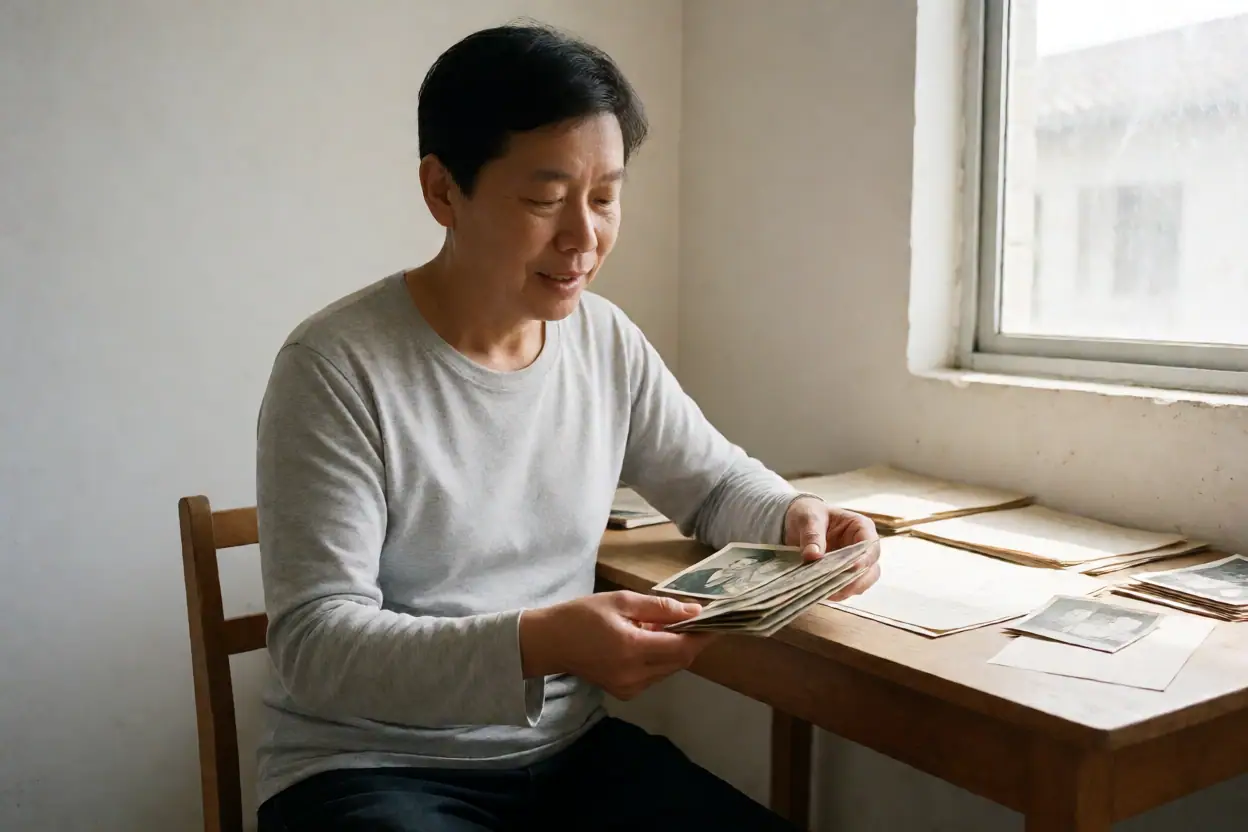
Beyond the more common surnames, the Cuan (爨) surname draws particular attention because of its complex written form and unusual pronunciation. “爨” is pronounced cuàn; in traditional Chinese dictionaries, it is associated with cooking and making fires, and relevant surname dictionaries often list it among surnames with a large number of strokes. Its complex form gives it a distinctive identity, while also leading some descendants of the Cuan surname to use simpler written forms as substitutes in everyday registration, writing, and social interaction. Whether these forms belong to the same branch should still be determined on the basis of family documents and continuous genealogical lines, rather than inferred solely from similarities in written form.
There are two main explanations that have circulated regarding the origins of the Cuan surname. One holds that its early ancestors may have been connected with official positions responsible for the royal household’s food or cooking, with their descendants subsequently adopting the official title as a surname. Another traces its origins to the Ban (班) family of the ancient Chu region during the Spring and Autumn period, proposing that some members of the family were enfeoffed in Cuan and later adopted the name of the fief as their surname. These accounts are important clues in traditional surname research, but whether official positions, fiefs, and later family branches can be linked in a complete chain requires corroboration from pre-Qin texts, geographical records from successive dynasties, epitaphs and inscribed steles, and genealogical materials. They cannot be directly treated as a single, certain lineage shared by all people with the Cuan surname.
It is especially important to note that the existence of related legends concerning the Cuan and Ban surnames does not mean that all people who bear the Cuan or Ban surname today descend from the same ancestral branch. The lineage-hall names and ancestral commanderies associated with the Ban surname, such as Fufeng Hall, Jingzhao, and Henan, mainly reflect the historical memories of certain Ban branches; they cannot automatically establish the ancestral affiliation of a particular Cuan family. Even when a genealogy records the same lineage-hall name, place of first settlement, or ancestral name, it is still necessary to examine whether the prefaces, lineage tables, dates of genealogical compilation, migration records, and local histories are mutually consistent.
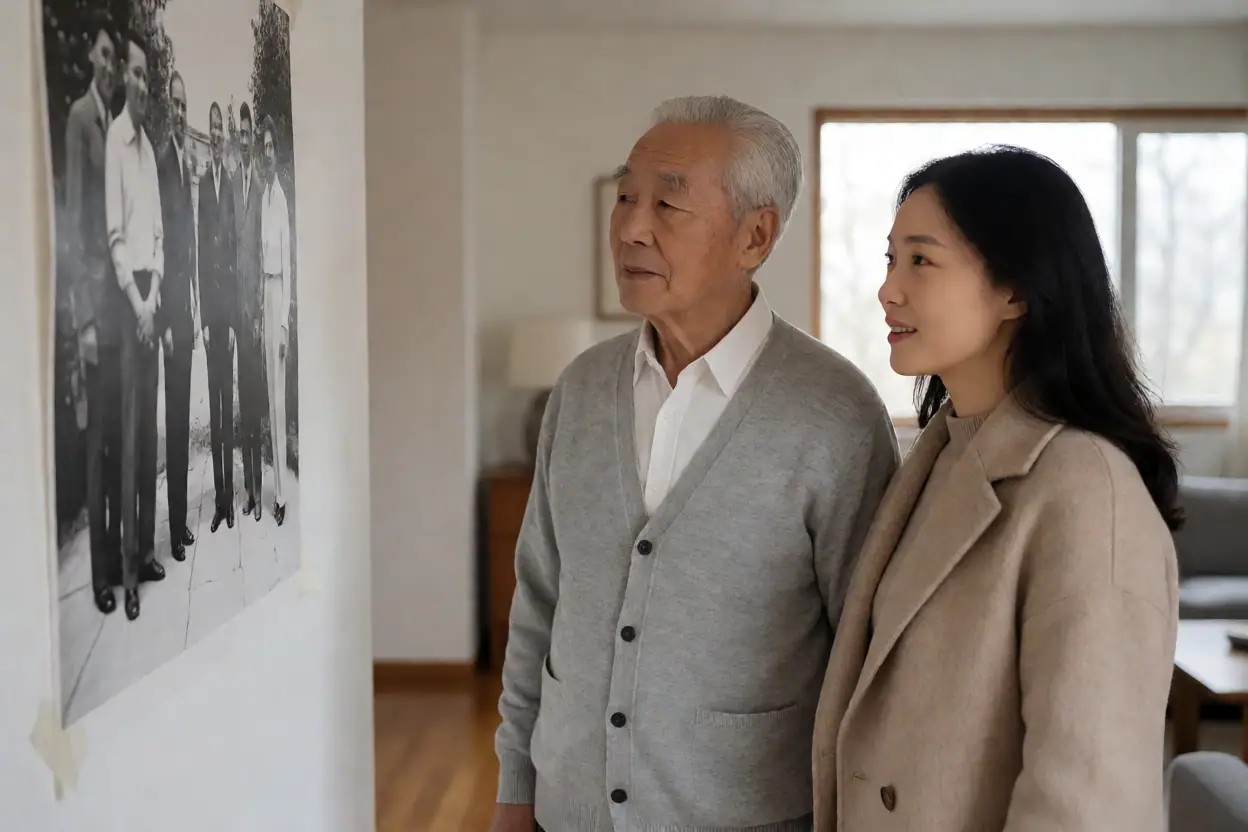
Research into the origins of a Cuan family can begin with details that modern family members are able to confirm, including ancestral villages, cemetery locations, generation names, places of marriage and migration, genealogical volumes that have been used, and the people and events recorded in family memoirs. These clues can then be compared with online genealogies, surname databases, and local-history archives, with particular attention to changes in place names, administrative divisions, and variant characters in genealogical records. If different forms such as “爨” and “炊” are found to coexist, the original character forms, dates of occurrence, and contexts of use should also be recorded, so that writing simplification is not mistakenly interpreted as a division into separate branches.
What can currently be said with reasonable confidence is that the Cuan surname has an ancient and distinctive cultural identity, while explanations of its origins continue to follow multiple paths. Establishing the ancestors, migration routes, and genealogical transmission of a particular family must ultimately return to verifiable documents and family memories. The value of tracing one’s roots lies not only in seeking a remote progenitor, but also in clarifying the life history of a particular place and family, allowing scattered names, place names, and stories to form a documented family history.
Learn More and Verify
- Family Memories and Ancestral-Tracing Leads of the Peng Surname on Baide Street, Xingren, Guizhou
- The “Wen” (闻) Surname and the Compound Surname “Wenren” (闻人): Character Origins, Legends, and Clues for Tracing Ancestry
- What Images of the Shang Clan Genealogy Reveal and Clues for Family Roots
- Aisin Gioro’s Historical Identity and Genealogical Clues Through the Imperial Surnames of Successive Dynasties
Genealogy Knowledge and Methods for Compiling Genealogies · Finding Genealogies and Local Gazetteers · Organize family-root-seeking leads