Yuhang Ancient Tombs: Jiangnan’s Historical Memory and Tracing the Roots of the Sima Surname
An archaeological survey and excavation was conducted at a site in Yuhang, Hangzhou, uncovering tombs from the Han dynasty and the Eastern Jin and Southern Dynasties. These findings provide material clues for understanding local tomb structures and burial customs. Materials from the ancient tombs can help illuminate regional history, but cannot directly establish a genealogical connection to any particular surname or family.

Archaeological work at a site in Yuhang, Hangzhou, continued for more than three months. The survey and excavation of the Yuzheng Gua Chu (2010) Nos. 05 and 06 plots were completed, uncovering 40 tombs in total, including 6 Han tombs and 34 tombs from the Eastern Jin and Southern Dynasties, along with 80 items or groups of cultural relics. These remains provide relatively concrete evidence for examining burial systems, construction methods, and everyday objects in ancient Hangzhou society.
Judging from the distribution of the tombs, most were arranged along the contours of the hills in a generally orderly pattern. The Han tombs were scattered among the hills, and most burial chambers were rectangular. Some tomb bricks bore geometric designs, while grave goods included pottery ewers, stoves, lei vessels, jars, and copper coins. The Eastern Jin and Southern Dynasties tombs were mainly single-chamber tombs with brick-vaulted ceilings, commonly containing celadon dish-mouth ewers, bowls, and stemmed bowls. Some of the larger tombs also had sealed entrances, passageways, burial chambers, and drainage channels, with brick-built coffin platforms visible inside. The drainage channels followed the terrain toward lower ground; in some cases, they turned to one side to avoid other tombs, reflecting the builders’ adaptation to the mountainous environment.
These archaeological findings also remind us that local history cannot be understood through surname traditions alone. Tomb structures, excavated objects, brick designs, and spatial relationships are, first and foremost, archaeological evidence. Their dates and nature still require a comprehensive assessment based on excavation records, comparisons with other objects, testing results, and local documents. Tombs themselves are usually unable to directly confirm the names of those buried in them, and neither the place of discovery nor the style of the objects alone can establish that they belonged to a particular surname.
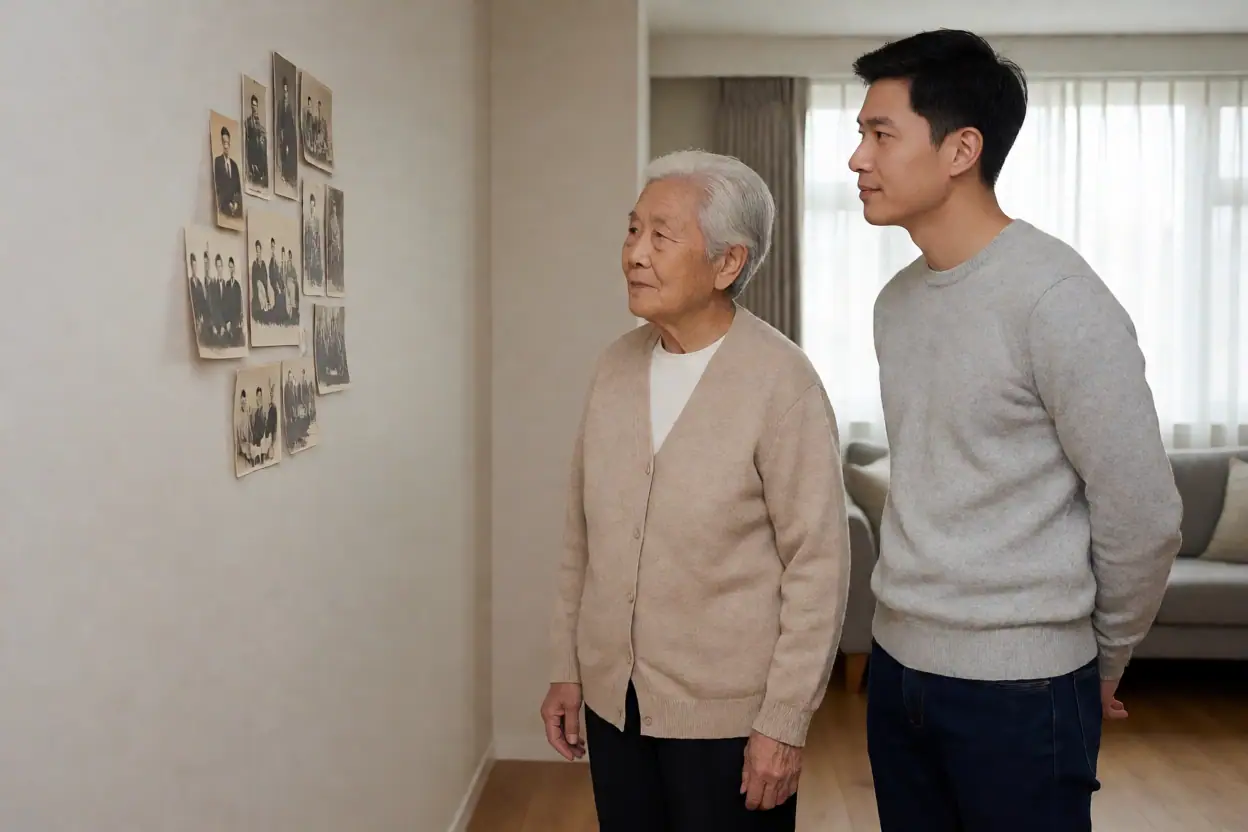
For research into the origins of the Sima surname, Henei, Wen County, and Henan serve as important points of reference in relevant surname materials. The formation of the Sima surname also involves the tradition of compound surnames derived from official titles. Existing surname materials further indicate that the historical activities of Sima descendants may have extended across Henan, Shanxi, Shaanxi, Jiangsu, and Zhejiang. However, sharing a surname does not mean sharing the same lineage, and a hall name such as Henei Hall cannot, on its own, prove affiliation with a particular branch. To determine whether a Sima family in Zhejiang is connected to a northern or Central Plains branch, one should verify, item by item, genealogical prefaces, records of the first ancestor to migrate to the area, generation names, tomb inscriptions, ancestral hall documents, local gazetteers, and family memoirs, while also noting differences among various versions.
Online genealogies can be used to organize known family relationships and migration clues. Surname databases can help establish a search framework linking place names, hall names, and historical figures, while local gazetteer databases can supplement information on the development of villages, the distribution of ancestral halls and tombs, and population records. For families lacking a continuous genealogy, ancestral research should begin with the most recent confirmed forebears and then trace the line backward, avoiding the treatment of legends, similar place names, or identical hall names as definitive evidence of blood ties. The ancient tombs in Yuhang provide important testimony to the region’s historical environment; whether they have a specific connection with Sima genealogies remains to be determined by more direct documentary or archaeological evidence.
Learn More and Verify
- Tracing the Roots of the Shumulu Clan: Historical Memories of Acheng and Lalin
- Qingming Memories of Chongyun Xu: From Market-Town Stories to Tracing the Roots of the Kuang Family
- Village memories and clan ancestral-root clues of the Lao surname
- Wei clan gathering in Wenshang: ancestral hall memories and clues for tracing family roots through genealogical records
Genealogy Knowledge and Methods for Compiling Genealogies · Finding Genealogies and Local Gazetteers · Organize family-root-seeking leads