Differences Among Branches and Source-Text Research in the Evolution of the Qi Clan’s Generation-Name Sequences
The Qi surname has numerous branches, and different regions developed distinctive generation-name sequences over the course of long-term migration. Drawing on local gazetteers and genealogical records, this article整理ates accounts in Qi clan genealogies from Liling, Suining, and other areas concerning generation names, founding ancestors of migrations, and clan origins, and explores the role of family memory in historical continuity, providing a reference for members of the clan tracing their roots.
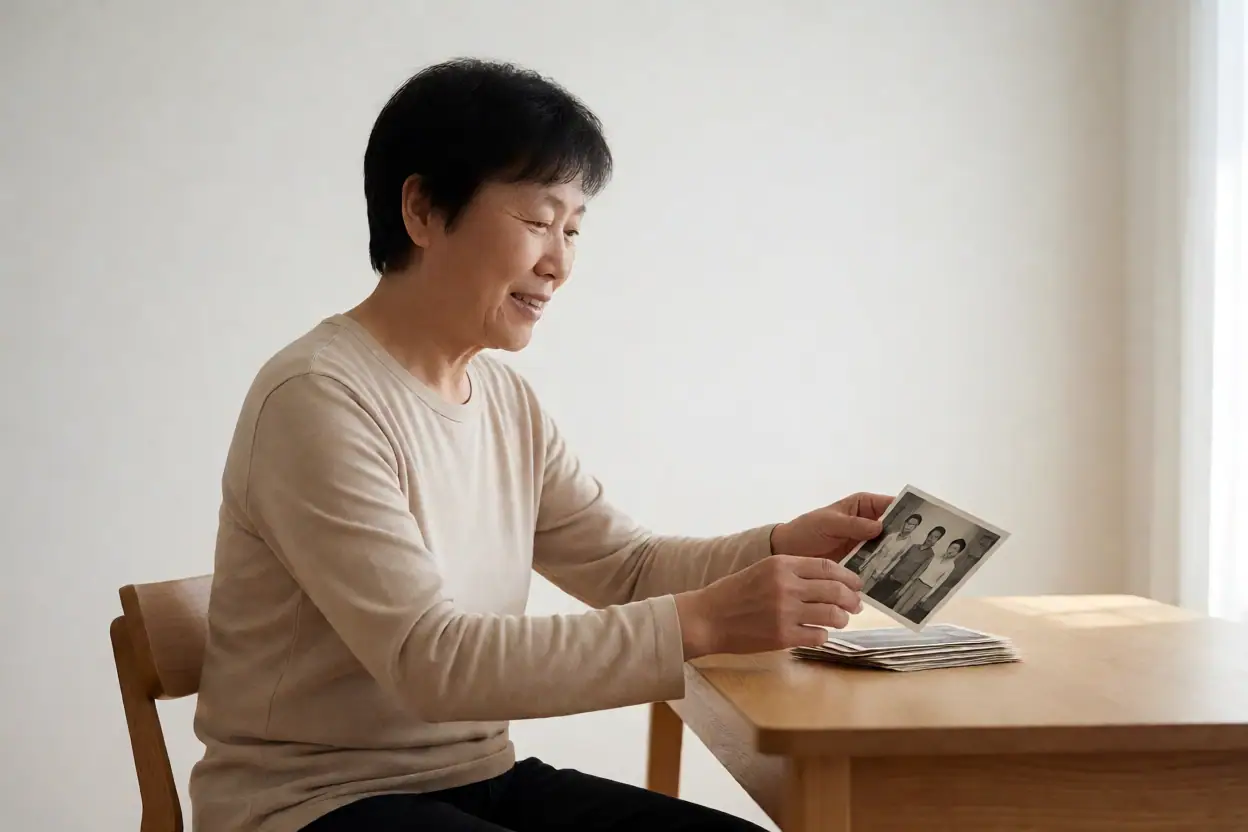
As a Chinese surname with a long history, Qi has left rich family memories of its origins and migration routes in different regions. In ZongMai’s surname database and online genealogical records, Qi clan genealogies from different areas reveal the diversity and complexity of generation-name sequences. For example, in Qi clan genealogies from the Liling area of Hunan, different branches used specific generation names in successive genealogy revisions, including sequences such as “福朝维友万,泰明漆可昌.” These generation names are not only markers of transmission between generations but also reflect the self-identification of branches in particular regions over the course of history.
In the Suining area of Sichuan, the migration background of the Qi clan is closely connected with the historical event known as the “Huguang filling Sichuan” migration during the Qing dynasty. According to the preface to the Qi Clan Genealogy, the Suining Qi clan originated in Dong’an County, Yongzhou Prefecture, Huguang, and moved to central Sichuan during the Kangxi period of the Qing dynasty in response to an imperial edict, settling in the areas around Suining and Pengxi. Its generation-name sequence includes such names as “继鲁承再茗,仲崇宗希登,” recording the historical progression in which members of the “登” generation and the “弘” generation successively relocated. This cross-regional migration and the continuation of the clan’s internal lineage together form the Qi clan’s distinctive historical narrative.
In addition, different genealogical prefaces offer various accounts when discussing the origins of the Qi surname. Some genealogies trace the surname back to Shennong or the Feng clan, emphasizing the symbolic significance of ancient myths and legends in the family’s origins. Others provide detailed records of the official careers and places of residence of ancestors across successive dynasties, from a governor in the Jin dynasty and a daifu in the Song dynasty to an observation commissioner in the Tang dynasty, with places such as Nanchang and Shangcai among those mentioned. Such records often combine literary embellishment with historical verification, reminding us to remain cautious in interpreting them. ZongMai’s family memoirs and local gazetteer database provide important references for distinguishing among these accounts and help members of the clan clarify the complex relationships between people who share a surname but do not belong to the same lineage when tracing their roots and ancestors.
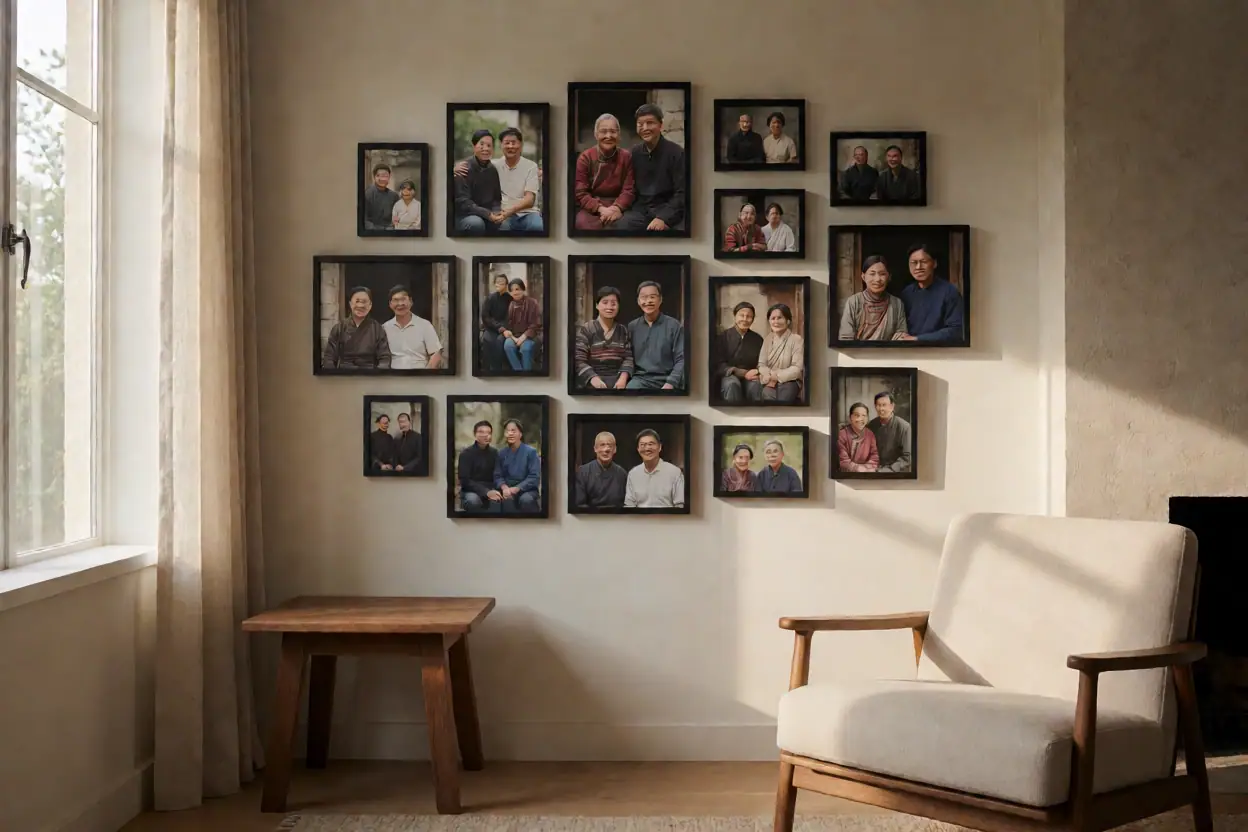
Sharing a surname does not mean belonging to the same lineage; the evolution of generation-name sequences and the division of branches are normal features of family history. As the practice of revising genealogies has evolved, some branches may encounter repeated or discontinuous generation names when updating their records. This requires members of the clan to conduct rigorous textual verification by consulting old genealogies and carrying out field visits. Organizing these family archives is not only a way of respecting the historical continuity of the family, but also a means of preserving an authentic and clear family memory for future generations.
Learn More and Verify
- Migration clues and branch analysis in the genealogical records of the Pan clan
- A Study of the Pronunciation and Origins of the Mi Surname: From Ancient Names to Tracing Family Roots
- Clues from the Zhejiang Yu Clan Genealogy: Organizing Genealogical Records from Xiaoshan and Pujiang
- Chronological Information in the First Volume of the Shao Clan Genealogy and Its Value for Tracing Roots
Genealogy Knowledge and Methods for Compiling Genealogies · Finding Genealogies and Local Gazetteers · Organize family-root-seeking leads