Dunhoutang Long Clan Genealogy, Fourth Revision, Volume 3: Approaching Family Memory Through Genealogy Pages
Existing materials indicate that the Third Volume of the Fourth Revision of the Dunhou Hall Long Clan Genealogy belongs to a multi-volume genealogy and has 111 pages available for preview. Because the compilation date, geographic context, and genealogical details are lacking, this article discusses only its value for consultation and methods for further research into family origins based on confirmable information.

Traditional clan records document not only blood relationships but also information about migration, residences, marriages, generation names, and family instructions. Volume 3 of the Dunhoutang Long Clan Genealogy is one volume in a set of Long clan genealogies. Available catalog information indicates that the set contains at least several volumes, and 111 pages from Volume 3 are available for online viewing. However, the compilation date of the complete genealogy, the founding migrant ancestor, the place of origin, and the specific scope of its contents cannot currently be determined from the public catalog alone.
“Dunhoutang” is the hall name appearing in the title of this genealogy. Hall names are often associated with branch traditions, memories of places of residence, stories of distinguished ancestors, or a shared identity among clan members. However, different branches of the same surname may use different hall names, and the same hall name may not correspond to only one region. Therefore, a hall name should be treated as a search clue rather than direct evidence of clan affiliation. To confirm whether a particular branch corresponds to the records in the genealogy, it is also necessary to compare such materials as ancestral places of residence, the name of the founding migrant ancestor, generational order, generation names, and information about ancestral halls or graves.
In terms of reading methodology, Volume 3 should not be understood separately from the complete set of genealogies. Readers can first consult the opening pages, editorial notes, contents, and compilation statements to understand the scope of the lineage and the recording conventions used in this revision. They can then use known ancestor names, places of residence, and approximate dates to locate the relevant lineage tables, branch charts, biographies, or grave records. When duplicate names appear in the genealogy, readers should distinguish among them by considering spouses, children, sibling relationships, and place names, avoiding the assumption that people with the same name are the same person. Generation names can help establish generational positions, but different branches may contain variant forms, omissions, or altered characters, so room should also be left for further verification.
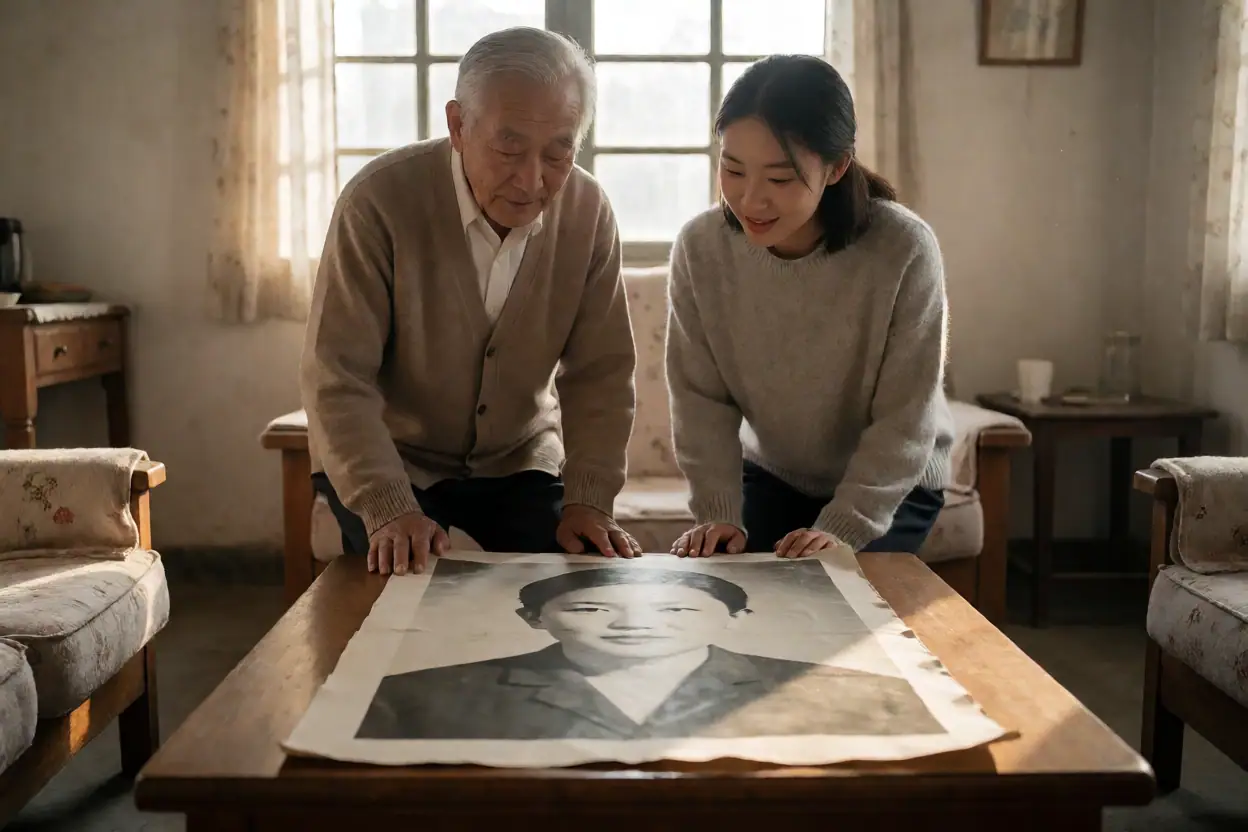
For Long clan members tracing their roots, online genealogies can serve as an initial point of reference, while family memoirs, old contracts, photographs of gravestones, inscriptions from ancestral halls, and local gazetteers can provide corroborating evidence. If the name, original place of residence, and time of departure of a relatively early ancestor are known, these details can be cross-referenced with surname databases, local gazetteer databases, and relevant genealogy catalogs. During the search, sharing a surname does not mean belonging to the same clan. Similar hall names, identical generation names, or similar migration stories found online cannot, on their own, constitute proof of lineage.
At present, the verifiable information about Volume 3 of the Dunhoutang Long Clan Genealogy remains focused mainly on the volume title, volume number, and page count, and is still insufficient to reconstruct a complete branch lineage. If the opening pages, preface to the compilation, lineage pages, and place-name pages can later be obtained, it will be possible to further examine the compilation date, geographic scope, arrangement of generation names, and migration history. The value of ancestral research lies not only in finding a matching surname, but also in allowing genealogical records to be mutually verified against family stories, physical documents, and local history, gradually establishing a reliable family memory through careful analysis.
Learn More and Verify
- Volume 3 of the Sang Clan Genealogy: Tracing Family Branches Through Clues in the Genealogy Pages
- Exploring Ancestral Roots Through Volume 6 of the Long Clan Genealogy
- The Genealogical Value of the Third Volume of the Pi Clan’s Genealogy, Revised for the Fifth Time
- Ancestral research leads from Volume 2 of the Wucheng Zeng Clan Genealogy, Fourth Revision
Genealogy Knowledge and Methods for Compiling Genealogies · Finding Genealogies and Local Gazetteers · Organize family-root-seeking leads