What a Cross-Generational Mu Family Reunion Reveals About the Evidentiary Limits of Tracing the Gaoxin Surname
A reunion of Mu clan relatives showed that generational names, memories of ancestral residences, and the compilation of genealogies can reconnect dispersed families. For the Gaoxin surname, whose materials remain incomplete, these experiences offer methodological reference, but the relationship between the ancient designation Gaoxin and the surnames of people today must still be verified item by item through genealogies, local gazetteers, and archives.
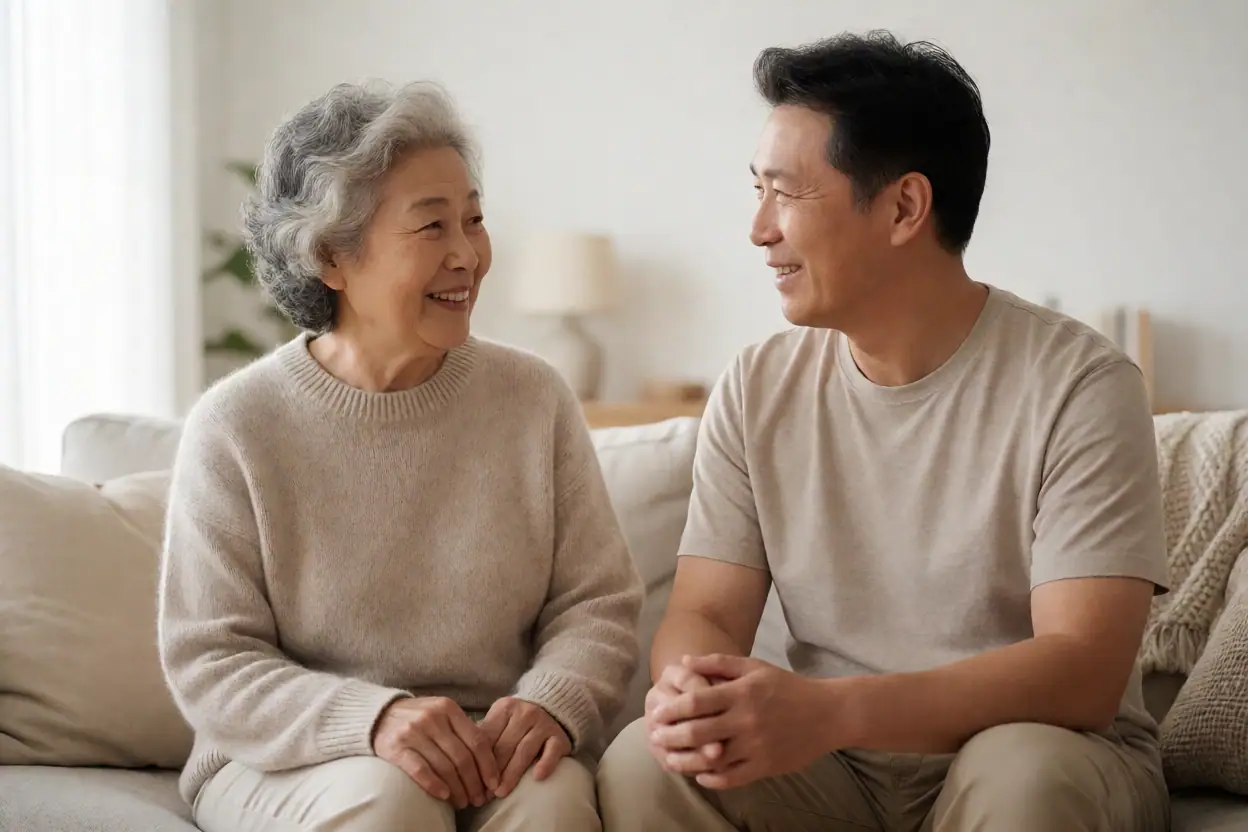
An account published in 2017 states that more than 60 Mu relatives from various parts of Shaanxi once gathered in Xi’an. Participants ranged in age from 20 to 93, and most families retained a shared memory of their ancestral home, Mujiaya Village in Wubao County, Yulin. The reunion was reportedly more than two years in the making, and some relatives had not seen one another for more than half a century. For the group photograph, three generations were arranged according to the generation characters “Sheng,” “Ming,” and “Jian,” making these characters an important clue for identifying seniority and organizing the family lineage.
The significance of this kind of cross-regional reunion lies not only in restoring family connections, but also in jointly reviewing family records. The account notes that the participants hoped to revise the genealogy together, organize family instructions, and preserve a line of transmission traceable across multiple generations. However, claims such as “traceable through 15 generations” currently primarily reflect internal family memory and should still be cross-checked against original genealogical volumes, epitaphs, household-registration archives, contracts and other documents, and local gazetteers. Shared generation characters and nearby ancestral homes can provide clues to a connection, but cannot on their own prove a complete lineage.
This experience offers useful insight for organizing materials on the Gaoxin surname. Existing surname records confirm that Gaoxin has been included as a surname entry, but sufficient material remains lacking on its origin, ancestral commandery, hall name, generation characters, distribution, and migrations, so definitive statements are not advisable at present. Ancient texts and later genealogies commonly use the designation “Gaoxin” or “Gaoxin clan,” and these references are sometimes associated with narratives about Emperor Ku. However, ancient clan titles and personal designations are not inherently identical to modern registered surnames. The fact that the names correspond cannot, by itself, establish that all people with the Gaoxin surname today descend from the same ancestor or belong to the same lineage branch.
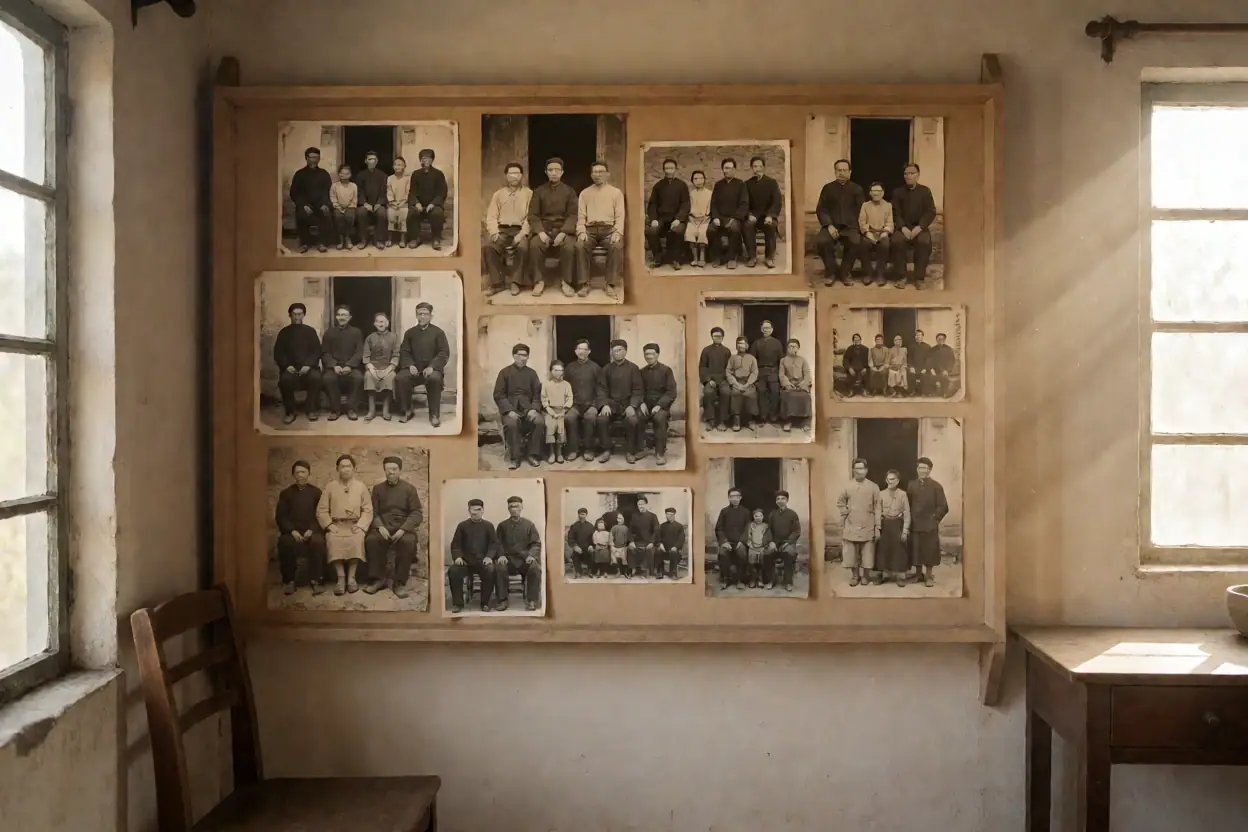
Research into the roots of the Gaoxin surname can begin with information that contemporary families are able to confirm: the names, generation characters, dates and places of birth and residence, marital relationships, and migration histories of grandparents and earlier relatives. Scan old genealogies, family letters, inscriptions on the backs of photographs, steles, and identity documents; then consult local gazetteers, population-migration records, and surname-distribution materials by village and county. Oral accounts from older family members can be compiled into a family memoir, but the speaker, date of recording, and matters still awaiting verification should be identified. Online genealogies are useful for consolidating relationships and materials from branches in different regions, but images of the originals and variant readings should also be retained so that material entered later does not overwrite earlier records.
Special attention is needed because sharing a surname does not mean sharing the same lineage, and the same compound surname cannot by itself establish identical blood ties. A hall name, ancestral commandery, or first ancestor to migrate is suitable as a basis for determining a lineage branch only when it is mutually corroborated by genealogical prefaces, lineage records, and local documents. At this stage, the more important work in researching the Gaoxin surname is to accumulate verifiable family materials, establish clear chronological and geographic coordinates, and record confirmed facts, family legends, and research inferences separately. As online genealogies, family memoirs, and local-gazetteer materials gradually converge, the relevant origins and lineages may receive a more reliable interpretation.
Learn More and Verify
- Evidence boundaries in tracing Yang clan roots through clues from the place name Hanyangba
- The Yang Family Stories of Jizhou and Historical Clues for Tracing the Origins of the Duan Surname
- Researching the roots of the Bao surname and a cultural survey of the Bao State ruins in the Pingyuan Demonstration Zone
- Why Does Researching the Roots of the Bei Surname Reveal Cases of Missing Names in Genealogies?
Genealogy Knowledge and Methods for Compiling Genealogies · Finding Genealogies and Local Gazetteers · Organize family-root-seeking leads