Haiyun Ancestral Temple in Zhangpu: Clues to Fujian–Taiwan Migration in Ancestral Hall Records
Haiyun Ancestral Hall in Wujiang, Zhangpu, is an important ancestral hall of the Wushi Lin clan. Its surviving architecture, records of imperial examination figures, and memories of exchanges across the Taiwan Strait together reveal the continuity of Minnan lineage culture. Relevant ancestral origins, branches, and cross-strait genealogical connections still need to be checked individually against genealogies, local gazetteers, and family documents.
In Wujiang Village, Zhangpu County, stands an ancestral hall long held in high regard by the local Lin clan. Known as Haiyun Ancestral Temple, it is also called Wushi Hall. Existing records state that the temple was first built in the thirteenth year of the Zhengtong era of the Ming dynasty (1447), underwent renovation during the Zhengde era of the Ming dynasty, and was rebuilt in the eighth year of the Wanli era under the direction of Lin Chu, Lin Shizhang, and others. It was repaired again during the Qing dynasty. In 2010, Haiyun Ancestral Temple was included among the sixth batch of cultural relics protection units in Fujian Province. The dates and figures mentioned above should be further corroborated against surviving inscriptions, construction records, and local gazetteers.
Facing southeast with its rear toward the northwest, the ancestral temple occupies approximately 5,000 square meters, with a floor area of approximately 1,080 square meters. Its layout follows a central axis and consists of the front courtyard, entrance hall, front hall, courtyards and covered corridors, main hall, rear hall, and other sections. Square stone columns, gate drum stones, wood carvings, and painted decorations reflect the comprehensive characteristics of traditional southern Fujian ancestral halls in ritual practice, craftsmanship, and local aesthetics. The plaques reading “Successful Candidate for Third Place in the Palace Examination,” “Jinshi,” and “Commemorating Chastity and Righteousness,” along with the seated statue of Lin Shizhang, serve both as carriers of family memory and as clues for studying local imperial examinations and gentry society.
Accounts of the origins and development of the Zhangpu Lin clan generally classify its local branches as the Luxia Lin and Wushi Lin branches, but different genealogies may vary in their records of the first ancestor to migrate, branch relationships, and the continuity of successive generations. Some branches of the Wushi Lin clan are traditionally said to have moved from Changle to Zhangpu during the Southern Song period and later flourished at the foot of Haiyun Mountain and along the Wujiang River. From the Jiajing era of the Ming dynasty through the Jiaqing era of the Qing dynasty, the area produced numerous jinshi, juren, and tribute students. Names such as Lin Shizhang, Lin Gongmao, and Lin Shihong also frequently appear in related accounts. However, whether these figures belonged to the same branch should still be verified against the original genealogical texts, imperial examination documents, and local gazetteers.
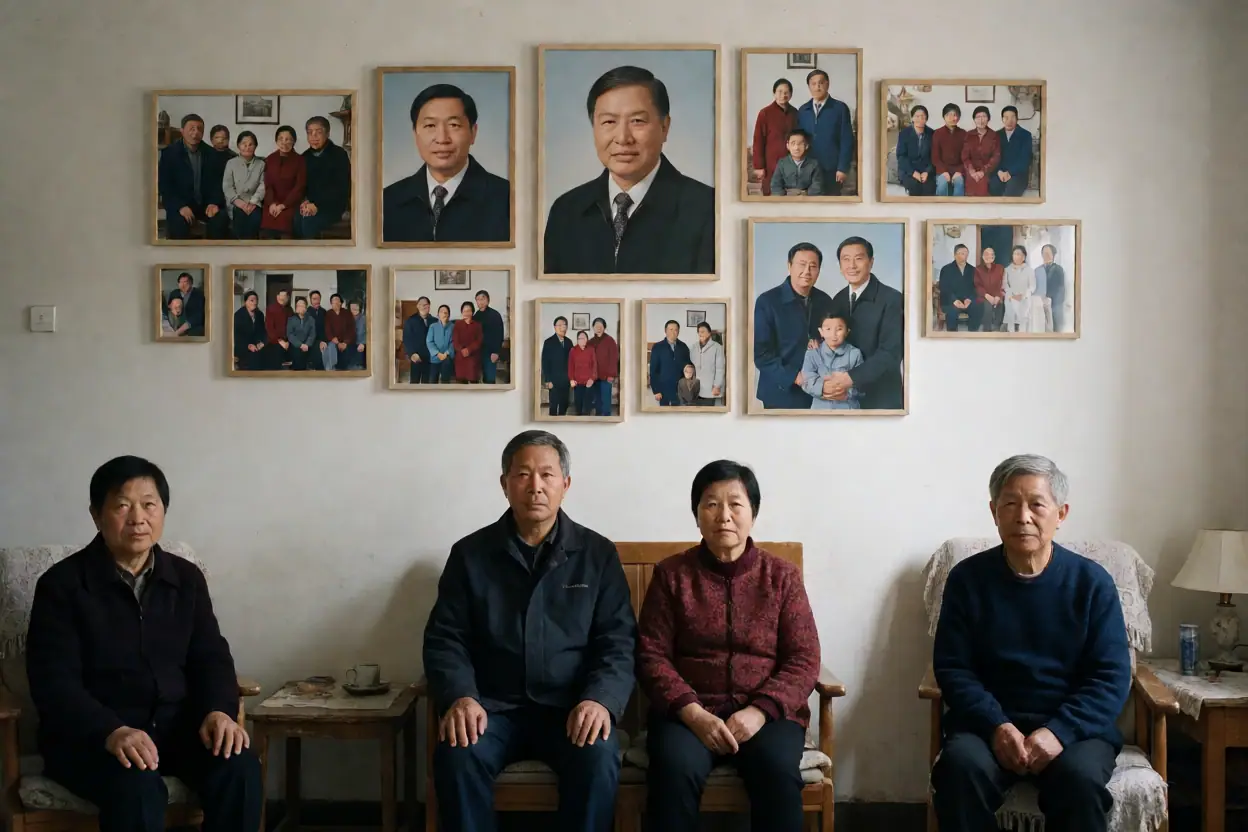
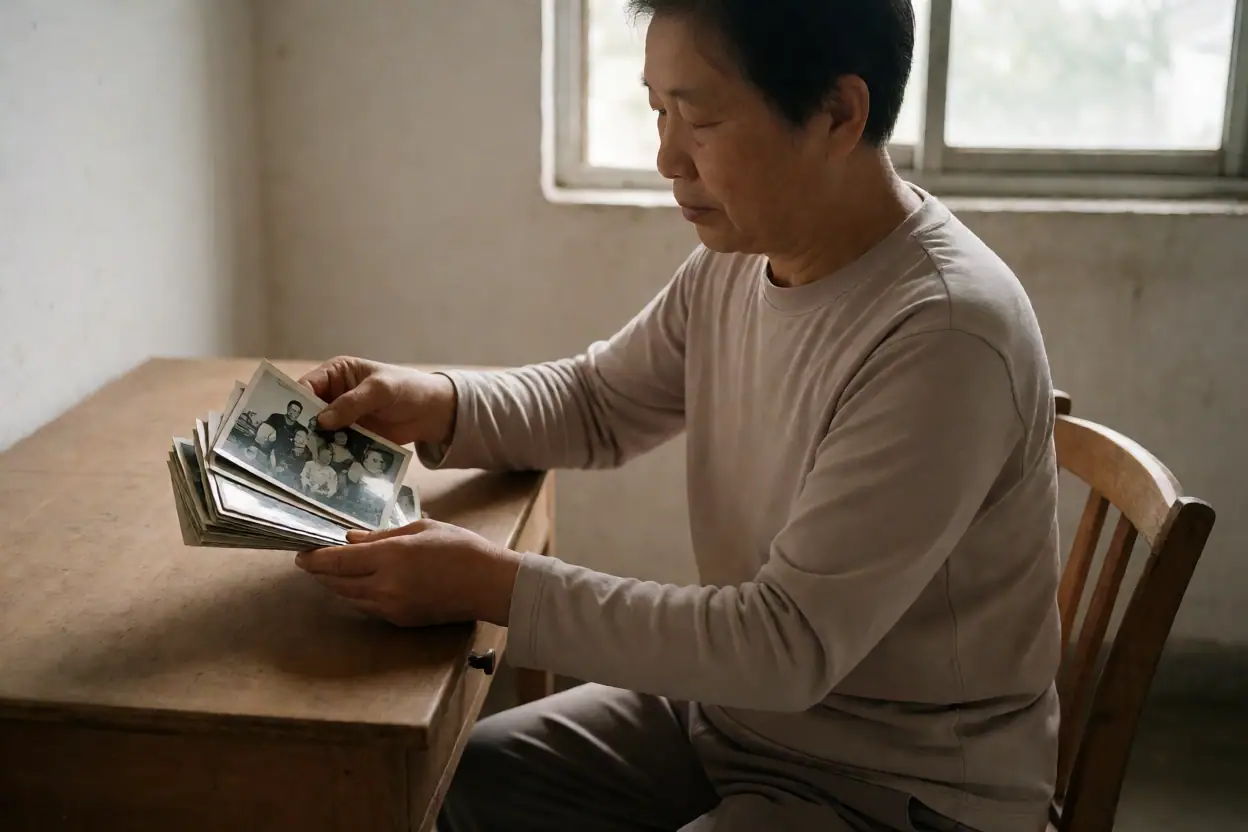
The significance of Haiyun Ancestral Temple also extends to family connections between Fujian and Taiwan. Existing clues indicate that some members of the Wushi Lin clan migrated to northern, central, and southern Taiwan, as well as other areas. In 1988, one branch from Longjing, Taichung, brought its genealogy back to the ancestral homeland and compared it with records from the place of origin, thereby strengthening exchanges between the two sides. Tracing roots across the Taiwan Strait cannot rely solely on surnames or place names to determine whether people share the same lineage. It generally requires a comprehensive comparison of generational names, ancestral residences, migration dates, branch designations, burial information, and genealogical records.
Based on the compilation of materials concerning the Hai surname, existing surname archives list Xue Commandery as its commandery origin, provisionally record the hall name as “Hall Pending Verification,” and identify Hai Chun as a clue concerning the founding ancestor. Distribution information covers Beijing, Wuqing in Tianjin, Hebei, Liaoning, Shanxi, Shaanxi, Gansu, Henan, Hunan, Sichuan, and other areas. This archive remains incomplete and cannot be used to infer that all Hai-surname groups in these areas necessarily share the same lineage, nor can it be directly connected with branches of the Zhangpu Lin clan. When researching a specific family, researchers can compare surname databases, online genealogies, family memoirs, root-tracing and ancestor-identification records, and local gazetteer databases layer by layer—first confirming the branch, then examining its ancestral origins and migration routes.
Learn More and Verify
- Migration clues and branch analysis in the genealogical records of the Pan clan
- The Si Surname in Wangyun Village: Ancestral Hall Remains and Migration Clues
- Distribution and Migration Clues of the Luo Surname: From Regional Records to Family Roots
- Chu-Surname Figures and Migration Clues: From Poets to Distinguished Local Officials
Genealogy Knowledge and Methods for Compiling Genealogies · Finding Genealogies and Local Gazetteers · Organize family-root-seeking leads