Aisin Gioro Descendants Who Adopted the Jin Surname: From Historical Naming to Family Roots
The Jin surname has diverse origins. In modern times, some Aisin Gioro descendants adopted the Jin surname, but people with the Jin surname do not all belong to the same lineage. Identifying a specific family branch requires systematic verification against genealogies, family memories, local documents, and local gazetteers.

The claim that “the Jin surname is connected to descendants of the Qing imperial family” does have some historical background, but it cannot be used to conclude that everyone with the Jin surname is descended from the Aisin Gioro clan. The Jin surname emerged relatively early and has complex origins. These include the traditions of taking surnames from an ancestor’s name or title, a fief, or an official position, as well as cases involving surname changes or bestowed surnames among ethnic minorities and the adoption of the Jin surname following sinicization by different groups. Over the course of their long transmission, different origins may have become intertwined. People who share the same surname today do not necessarily belong to the same lineage.
Aisin Gioro was an important surname of the Qing imperial family. Its historical activities were mainly associated with places such as the Jianzhou Jurchen region, Hetu Ala, Shengjing, and Beijing. The line of Nurhaci established Later Jin and ultimately founded the Qing dynasty. After the fall of the Qing dynasty, some members of the Aisin Gioro clan adopted Chinese surnames for reasons including the social environment, convenience in daily life, or family choice; the Jin surname was among them. The explanation that “Aixin” contains a meaning related to gold and therefore led to the adoption of the Jin surname is relatively common in accounts passed down by relevant families. However, the surname adopted by a particular family, when the change took place, and which branch it migrated from must still be established on the basis of that family’s genealogies and historical records.
It is important to note that Aisin Gioro descendants adopted surnames in more than one way. In addition to Jin, surnames such as Huang, Luo, Zhao, Hai, and Ai may also appear in modern records of relevant families, but there is no fixed one-to-one correspondence among these surnames. Likewise, the Jin surname itself is found among Han Chinese, Manchu, Mongol, Korean, and other groups. Some families may have received the surname as a bestowed name, adopted it through a surname change, or simply have used Jin as their surname from the outset. Therefore, a surname alone, a legendary “imperial lineage,” or residence in places such as Northeast China or Beijing is insufficient to confirm a direct relationship between a particular family and the Qing imperial household.
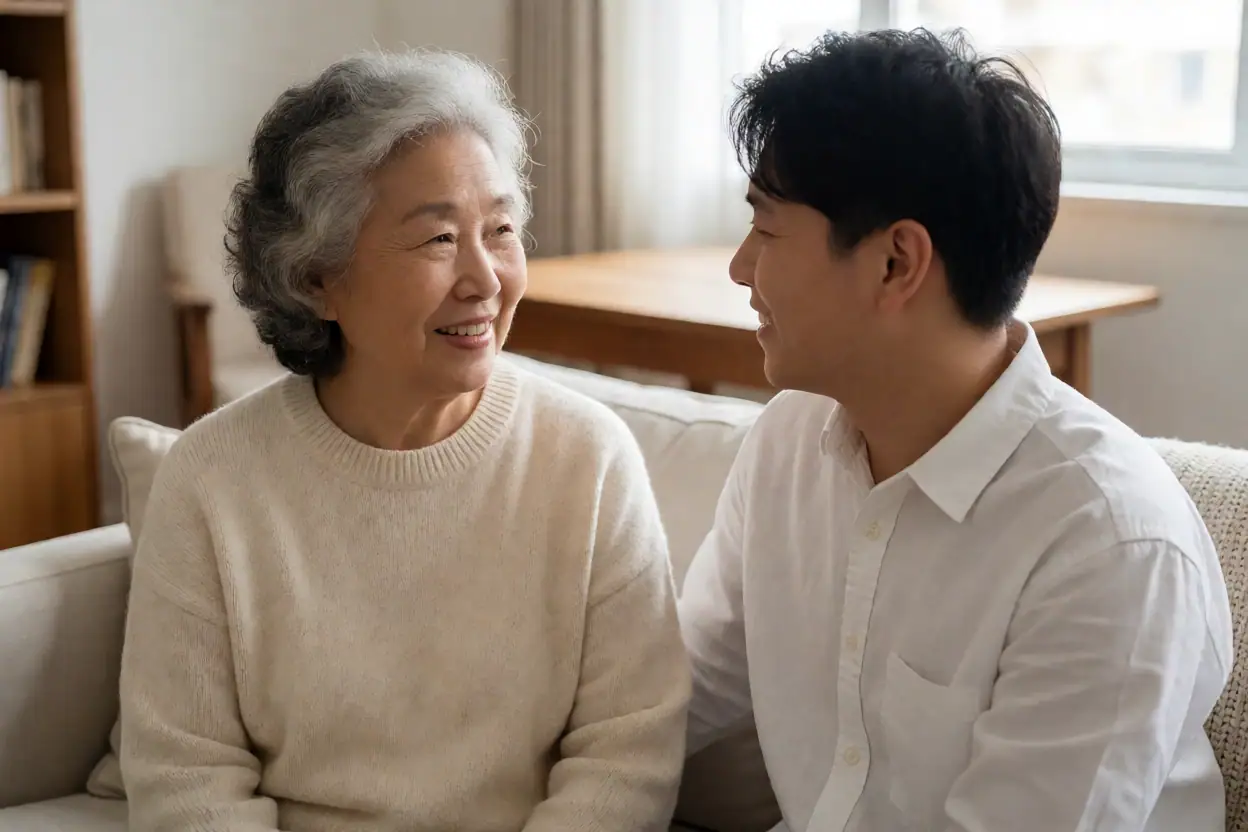
When tracing a family’s roots, begin by organizing surviving genealogies, tomb inscriptions, ancestral-worship documents, family memoirs, and oral accounts from elders. Pay particular attention to former surnames, places of migration, ancestral villages, generation-name sequences, and ancestral hall information. If the family has preserved accounts such as “this branch migrated from Shengjing” or “the original surname was Aisin Gioro,” distinguish original records from later retellings and note who provided each account and when it took shape. The genealogical lines, place names, and dates in the family records can then be compared with local gazetteers, population registers, banner affiliation records, and relevant historical archives. Online genealogies can help locate records involving the same migration routes or similar generation-name sequences, but online lineages may include copied material, merged genealogies, or erroneous connections and cannot be treated as definitive evidence.
Existing surname records indicate that Aisin Gioro has no traditional Han Chinese ancestral hall name or fixed Han Chinese commandery affiliation. Its historical core regions were concentrated around Hetu Ala, Shengjing, and Beijing, while its modern descendants have become dispersed throughout Northeast China, across the country, and overseas. For Jin-surname families who identify themselves as Aisin Gioro descendants, the more cautious wording is that “family tradition holds that the family is connected to Aisin Gioro” or that “existing genealogical records indicate a possible connection.” Further judgment should wait until genealogical lines, migrations, and documentary evidence can be matched continuously. The value of tracing one’s roots lies not only in confirming a prominent ancestor, but also in reconstructing a family’s real and specific history of migration.
Learn More and Verify
- Aisin Gioro’s Historical Identity and Genealogical Clues Through the Imperial Surnames of Successive Dynasties
- Tracing the Roots of the Murong and Mu Families in Chaoyang: From Historical Memory to Family Identity
- Clues Linking E'nen and the Mu Surname: From Ethnic-Origin Records to Family Roots
- People of the Bei Surname and Memories of Their Branches: From Historical Figures in the Classics to Family Root-Seeking
Genealogy Knowledge and Methods for Compiling Genealogies · Finding Genealogies and Local Gazetteers · Organize family-root-seeking leads