Jiang Genealogy, Book 43: Tracing Family Roots Through Genealogy Book Numbers
Existing catalog records indicate that this Jiang clan genealogy comprises 64 volumes, and the viewing interface for Book 43 is marked 1/109. Apart from confirming the numbering of the genealogy books, the specific branches, dates, migrations, and generation names recorded in the volume still require item-by-item comparison with the original genealogy pages and local documents.
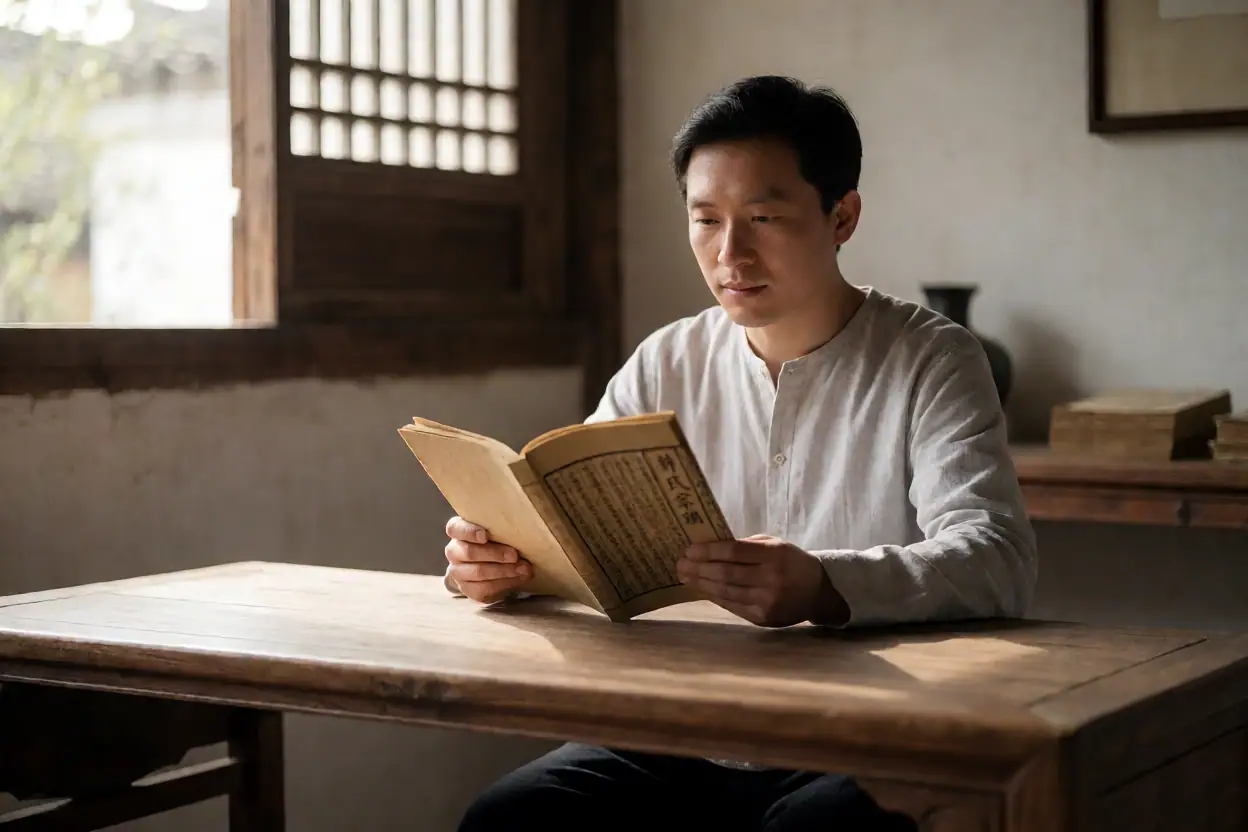
This Jiang Genealogy is catalogued as a complete set of 64 volumes. The available records correspond to Book 43, whose viewing interface is marked 1/109. Based on the information that can currently be confirmed, these details primarily indicate the genealogy's overall scale and the book's position within the set; they are not yet sufficient to determine directly the specific branch, founding ancestor of a migration, place of residence, or compilation date recorded in Book 43. For genealogical materials, the book number is an important search reference, but it is not sufficient evidence for identifying a particular lineage branch.
When consulting this type of genealogy book, one should generally first record the volume, book, page number, and original title appearing on the page, and then review sections such as the preface, explanatory notes, table of contents, lineage charts, biographical accounts, and epitaphs. If a hall name, ancestral origin designation, generation name, or title for the founding ancestor appears in the genealogy, it should also be compared character by character with the original text, with attention to the surrounding context. Hall names may be used by different branches, and generation names may also vary because of continued compilation, branch divisions, or regional changes. Therefore, residents surnamed Jiang in a particular area cannot be assigned to the same clan based solely on one hall name or one set of generation names.
The Jiang surname is widely distributed, and historically there may also have been multiple origins and different migration routes. For a particular family, potentially valuable clues in determining whether it is connected to this genealogy include ancestral places of residence, migration points, ancestral hall names, the personal names of forebears, generation-order names, and records of marriages and burial places. Genealogy pages, photographs of tombstones, ritual documents, contracts, and accounts passed down by elders can be cross-referenced with the relationships among individuals in the online genealogy; family memoirs can help supplement information about relocations, occupations, and branch divisions in the modern and contemporary periods. Oral memories are valuable for preservation, but details concerning dates and kinship relationships should still be cross-checked against written materials.
Local gazetteers, township and town chronicles, village histories, and inscriptions on ancestral halls and steles can often provide corroborating evidence for place names, administrative changes, and the activities of individuals recorded in genealogies. If a place name in the genealogy has since undergone an administrative change, its historical administrative divisions should be consulted for verification, to avoid mistaking places with the same name in different periods for the same location. For genealogies held overseas or in other regions, the edition, compiler, collection number, and corresponding image pages should also be confirmed first. The fact that different copies all record the Jiang surname does not establish that they belong to the same branch.
Therefore, Book 43 is better regarded as an entry point for further family-root research. Subsequent research can organize the genealogy's prefaces and postscripts, table of contents, and key lineage pages into timelines of individuals, places, and dates, and then compare them with surname databases, online genealogies, family memoirs, and local gazetteer collections. Only when the original genealogy pages, local historical sources, and family traditions corroborate one another is it appropriate to state conclusions about ancestors, migrations, hall names, and lineages more definitively.