An Examination of Jiangyin Huai Family Genealogy and the Continuity of Family Values
A 2004 family history of Jiangyin’s Huai clan records the family’s migrations, dispersal, and educational experiences, while also preserving relatives’ recollections and local memories. These accounts can provide clues for researching the Huai clan’s ancestral roots, but the specific lineage still requires further verification against genealogical records, local gazetteers, and physical evidence.
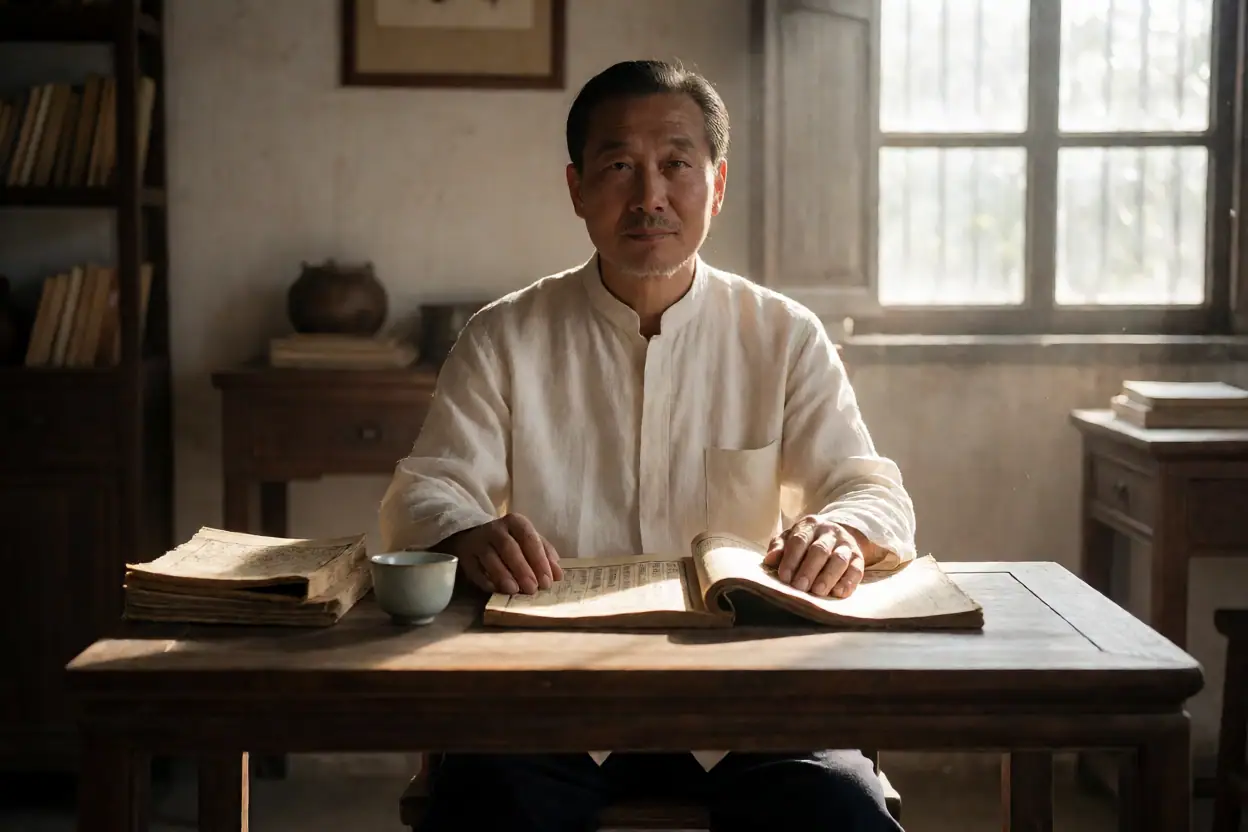
The significance of a genealogy to a family lies not only in arranging generations and recording names, but also in preserving memories of life shared together. Existing clues indicate that a family history of the Jiangyin Huai family was compiled in 2004. It focuses on one branch from Huai Family Village in the eastern suburbs of Jiangyin, while also covering family members’ education, relocations, and mutual support. As descendants are now distributed across different cities, and some even live overseas, the compiler hoped to leave future generations clues for identifying relatives and looking back on their forebears.
The account of the Huai surname’s origins presented in this family history bears the character of family legend and traditional narratives of surname origins. The purported connection between the Huai surname and the ancient Wuhuai clan is a long-circulating tradition, and it cannot by itself confirm that Huai families in different parts of modern China share the same bloodline. ZongMai surname materials list “Henei Hall” as the Huai clan hall name and refer to Henei, Henan, and Runan as commanderies or regional designations, while also mentioning origin narratives involving Huai State, Huai settlements, and branches associated with posthumous titles. These materials may serve as directions for further research, but hall names, ancestral localities, and ancient surname-origin accounts are not equivalent to the continuous lineage of any specific family. Verification still requires local genealogical editions, gravestones, ancestral-hall records, and other materials that can be cross-checked.
Regarding the Jiangyin branch, existing accounts state that Huai ancestors were active in the Suzhou, Wuxi, and Changzhou area before later moving, reportedly due in part to wartime turmoil and other factors, to the vicinity of Sanguandian in the eastern suburbs of Jiangyin. They then settled and multiplied at the southern foot of Panlong Mountain, gradually forming Huai Family Village. The migration route described above still lacks the support of complete genealogies and detailed dates, and is best provisionally preserved as family memory. It is especially important to note that a shared place of residence, surname, or hall name cannot independently prove a clan relationship. To confirm the first ancestor to migrate, branch divisions, household subdivisions, and generational succession, the names, addresses, marriages, and burial information in the family history should be compared with Jiangyin local gazetteers, village records, ancestral-hall materials, and surviving genealogies.
The family history also mentions that the village once had an ancestral hall where genealogies, clan records, and ancestral tablets were kept, but that the hall was later demolished and the genealogical records were partly lost. Missing portions of genealogical volumes can create gaps in subsequent tracing, so oral recollections, old photographs, letters, contracts, and cemetery information all have value as supplementary evidence. Online genealogies can be used to organize known relatives and distribution clues; family memoirs are suitable for recording individuals’ experiences and stories about family values; and local gazetteer databases can help verify changes in villages, administrative divisions, and historical place names. Research should clearly distinguish among “recorded in the genealogy,” “oral account,” “found in local historical sources,” and “awaiting verification,” to avoid conflating materials of different kinds.
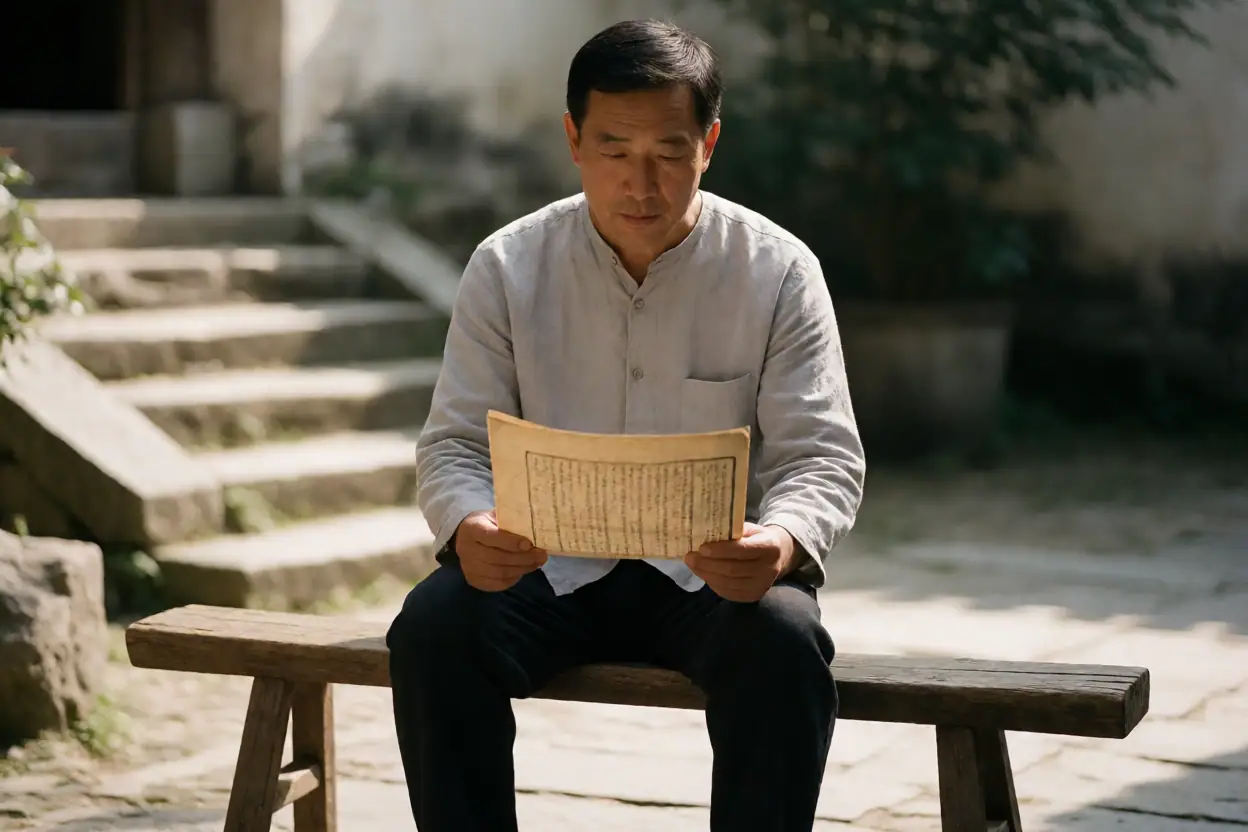
This family history places particular emphasis on connections among family members and includes female relatives and sisters in its accounts, reflecting the compiler’s understanding of family completeness. The materials also record recollections of Hu Shanyuan’s assistance to Huai Shunhua’s family and of the educational opportunities later generations gained as a result. The relationships among the people involved and the related events should still be substantiated through epitaphs, local historical sources, or original materials preserved by relatives. Nevertheless, the values expressed—emphasizing education, cherishing family bonds, treating others with kindness, and remembering and appreciating those who came before—form a distinctive spiritual core of this family history.
For Huai descendants today, tracing their roots is not merely a search for a distant progenitor. It is also an effort to understand how family memories took shape and to determine what evidence can support each account. Starting with the surviving family history, one can organize names, dates, places, and kinship relationships item by item, then cross-check them against surname materials, online genealogies, and local gazetteers. This may gradually help reconstruct a clearer historical outline of the Jiangyin Huai branch.
Learn More and Verify
- Migration clues and branch analysis in the genealogical records of the Pan clan
- People and Family Heritage of the Gong Surname: From Historical Records to Genealogical Research
- An Investigation of the Legends of the Niu Clan of Niuzhai, Xinye, and Clues to Family Migrations
- Gathering of Bin Surname Clan Relatives and Genealogical Heritage: Family Memory Through Ancestor-Worship Activities
Genealogy Knowledge and Methods for Compiling Genealogies · Finding Genealogies and Local Gazetteers · Organize family-root-seeking leads