Evidence Boundaries for Yang Ancestry Research Through Place-Name Clues from Hanyangba
Located along the Min River, Hanyangba’s place name, commercial memories, and Yang clan legends offer directions for genealogical research. However, the claim that “the Yang surname founded Hanyangba” still lacks support from genealogies, local gazetteers, inscriptions, and other evidence. When sorting through the relevant clues, place-name changes, local memories, and family lineages should be distinguished from one another.
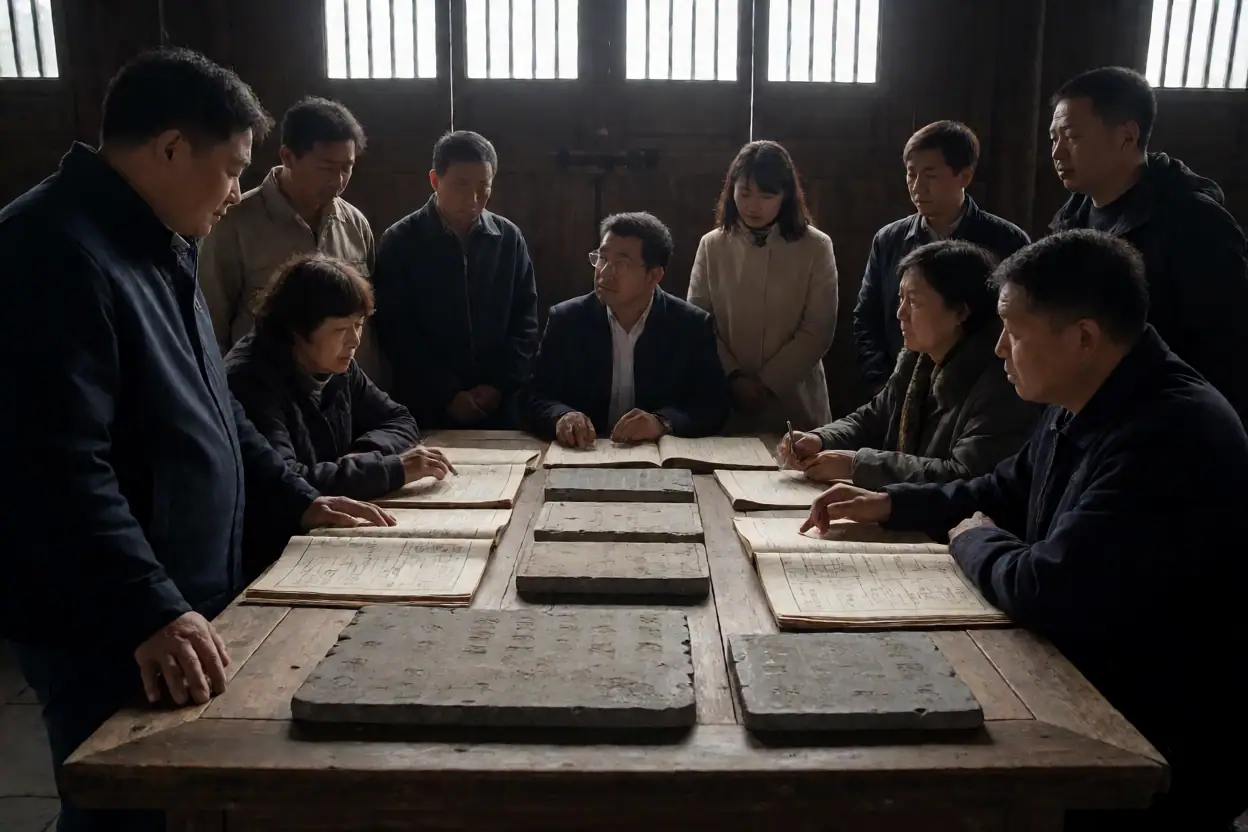
Hanyangba is located along the Min River in the area bordering Meishan and Leshan in Sichuan. The landscape of the Pingqiang River Gorge, riverside settlements, and former transportation routes have together shaped the character of the area. Existing accounts mention that old houses, stone-paved streets and lanes, and other traces of traditional settlement can still be seen in the town. Local traditions also preserve related memories of Foguang Temple, the Fire God Temple, and the comings and goings of merchants and travelers. These details can help explain Hanyangba’s regional history, but they cannot directly prove that a particular surname founded the settlement.
“The Yang surname founded Hanyangba” is better treated as an oral or headline-style clue awaiting further investigation. Whether the “Yang” in Hanyangba is connected to the Yang surname requires first determining when the place name first appeared, how it was written in different periods, and what its name meant. A single-character element in an ancient place name may derive from a direction, a mountain or water feature, an administrative establishment, or other factors, and is not necessarily related to the surname of its residents. Even if Yang families once lived there in concentrated communities, this does not justify concluding that Hanyangba was founded by the Yang clan, much less that Yang families everywhere migrated from there.
The Yang-related cultural information listed in ZongMai’s surname materials includes Hongnong Hall, as well as records of the Hongnong, Henan, and Hedong commanderies. Related regional clues involve Hunan, Hubei, Sichuan, Henan, and Shaanxi, while accounts of ancestral origins also mention branches associated with Yangyi and the Yang state. These materials can serve as indexes for searching genealogies and local documents, but hall names and commandery affiliations were often shared by different branches, and accounts of ancestral origins may also differ by period. Sharing a surname does not mean sharing the same lineage. A specific lineage cannot yet be connected based solely on a surname, hall name, or tradition about an ancestral home.
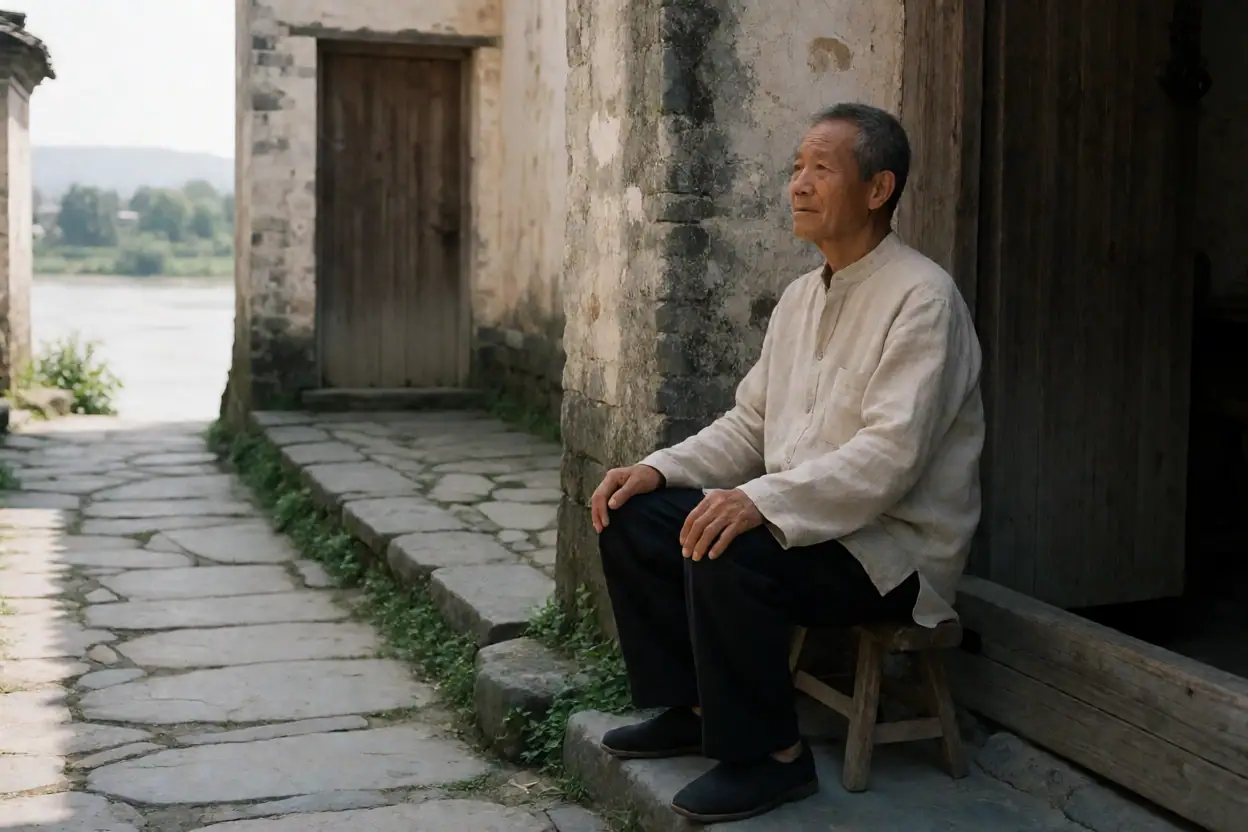
To investigate the relationship between the Yang surname and Hanyangba, one may search local gazetteer databases for administrative changes, the formation of market towns, temple inscriptions, baojia household registers, and biographies of notable figures, while also checking the prefaces, migration records, accounts of the first ancestor to migrate, and compilation dates in Yang family genealogies from the area and its surroundings. Online genealogies are useful for consolidating generation names, ancestral residences, and migration points from different branches, but original-page images, volume numbers, and edition information should be retained to avoid treating later additions as early historical fact. If ancestors with the same name appear in a genealogy, they should also be distinguished through cross-checking spouses, children, burial sites, and places of residence.
Family memoirs can supplement details about life on the old streets, trade at the ferry crossing, ritual activities, and the reasons for migration. When interviewing local elders, it is advisable to record the narrator’s identity, the date the account was written down, and the path by which the information was transmitted, then compare it with local gazetteers, inscriptions, contracts, and genealogies. The focus of ancestry research is not to rush to confirm a shared ancestor, but to gradually establish verifiable connections among people, dates, places, and documents. Until earlier records that corroborate one another are found, the relationship between Hanyangba and the Yang surname should remain open to assessment.