Tracing the Origins of the Dongye Compound Surname Through the “Dongchuang” Allusion
“Dongchuang” was originally a term from a Jin-dynasty marriage story and later became an elegant term for a son-in-law. It is not the same genealogical line as the compound surname Dongye, but it can be used to observe the multiple meanings of “Dong” in surname culture, while continuing to examine the origins of the Dongye branches in conjunction with genealogies, local gazetteers, and family memories.
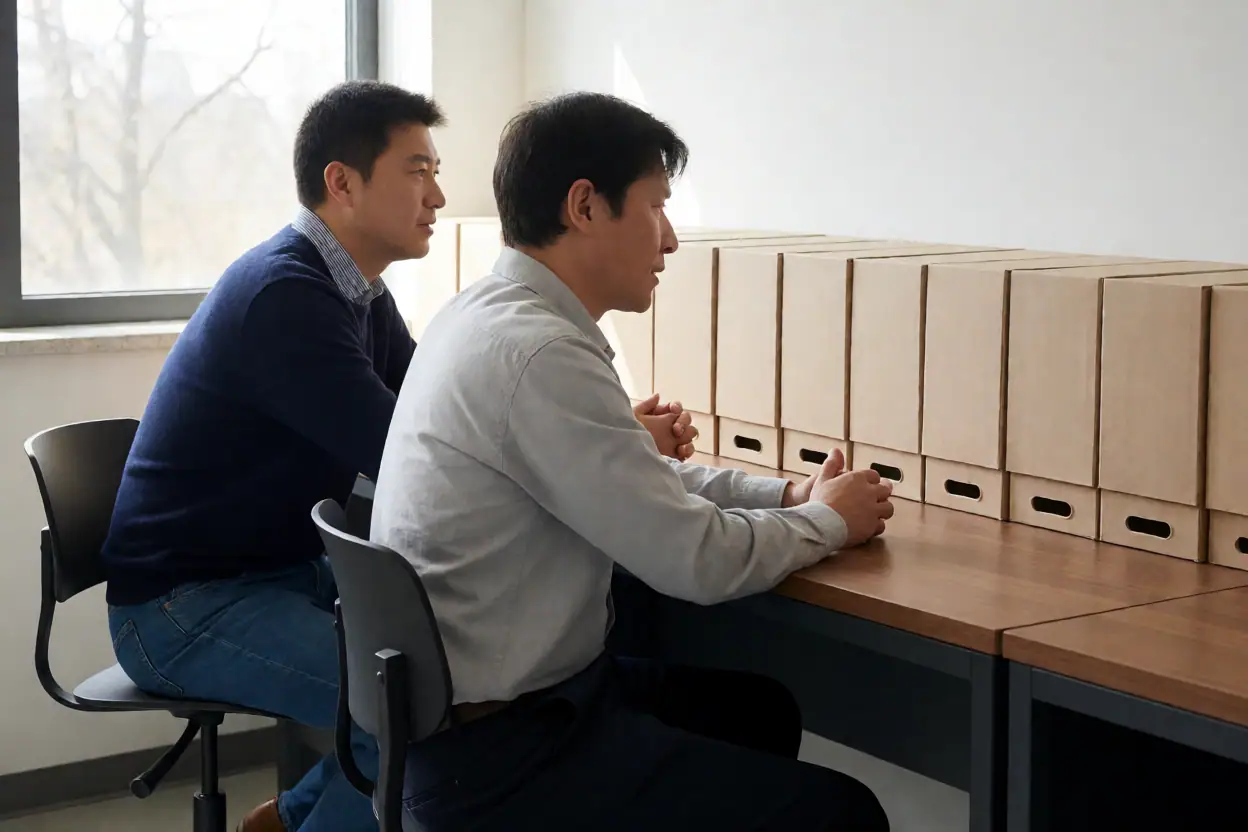
The term “Dongchuang” is commonly used to refer to a son-in-law, and the allusion is associated with Wang Xizhi of the Eastern Jin dynasty. According to tradition, when Xi Jian was choosing a husband for his daughter, he sent someone to Wang Dao’s residence to observe his sons. While the others tidied their appearances and received the guest somewhat stiffly, Wang Xizhi lay on the east bed with his stomach exposed, appearing completely at ease. After learning of this, Xi Jian considered him candid and natural, and arranged for his daughter, Xi Xuan, to marry him. Later, “Dongchuang” gradually became a synonym for a son-in-law, particularly an excellent one.
In this allusion, “东” is first and foremost a directional term and cannot be directly equated with the formation of the Dongye compound surname. In surname research, a shared character form, pronunciation, or a single historical story alone cannot establish that different surnames share the same lineage. Dongye is one of the ancient compound surnames. Existing surname sources list its tanghao as Lu Commandery Hall and record Lu Commandery, Henan, Donghai, and other commanderies of origin or distribution. Related branches are mainly found in Shandong, Henan, Jiangsu, Anhui, and Hebei. However, a commandery of origin often reflects an important historic place of residence or center of prestige for a family and does not necessarily mean that all Dongye descendants came from the same branch.
Regarding the origins of Dongye, some sources explain its formation through an ancient place name, a place of residence, or a branch from the Lu region, while others connect it with Dongye as a place-name-based compound surname. Such accounts have a certain value as surname culture and historical memory, but tracing them to a specific family still requires reference to genealogy prefaces, lineage tables, tombstones, ancestral hall records, and information about people and settlements in local gazetteers. In particular, cases in which Dongye was changed to the single surname Dong, or in which the written form changed because of naming taboos, migration, or registration practices, cannot be judged uniformly on the basis of oral accounts alone.
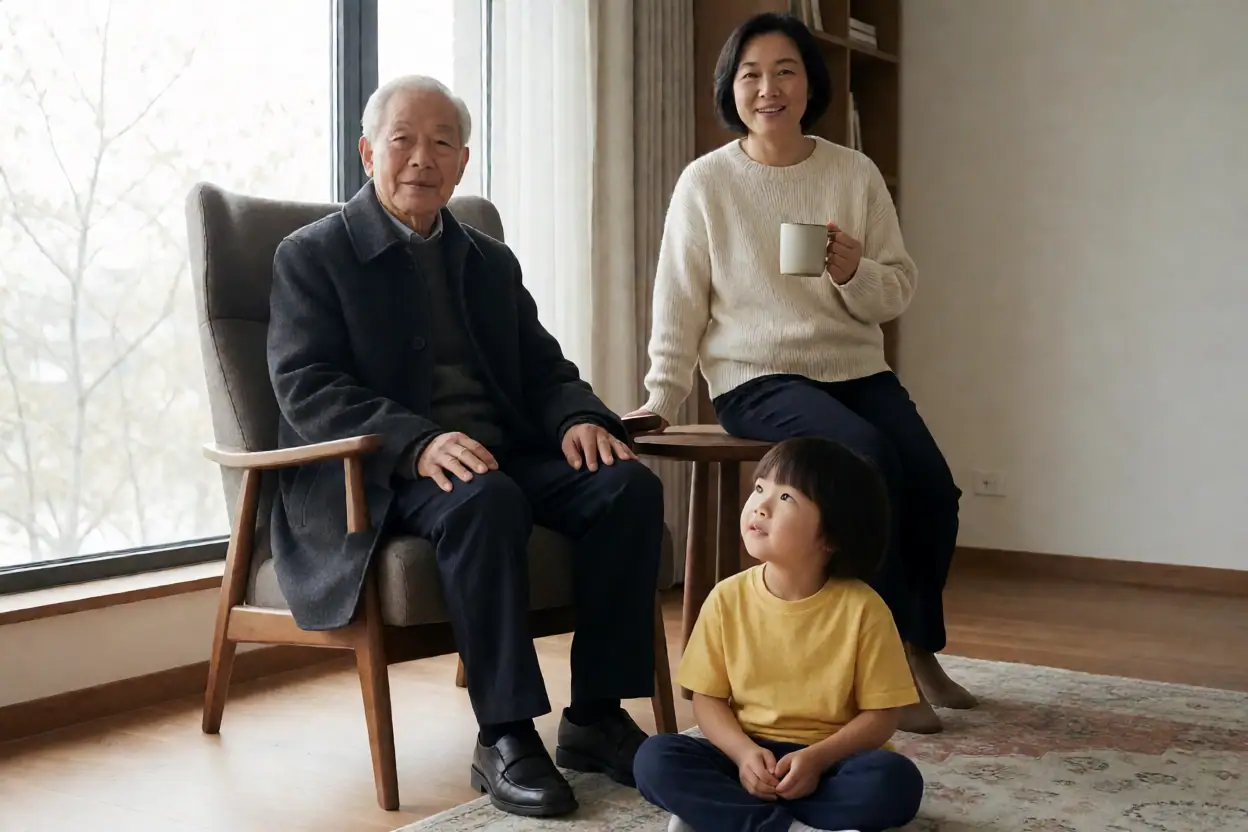
For descendants of Dongye families, family-history research can begin with their current residence and known ancestral homes. Record the names of older family members, generational names, dates of relocation, ancestral grave locations, and ancestral hall clues, and then compare them with corresponding lineages in online genealogies. Family memoirs are useful for preserving migration stories, marital relationships, and local names, while local gazetteers can help verify village development, the activities of historical figures, and changes in administrative divisions. If differences in dates, place names, or generation numbers appear among different sources, they should be recorded side by side with the points of uncertainty marked, and judgment should be deferred until more material or documentary evidence becomes available.
Therefore, “Dongchuang” can serve as an introduction to traditional surname culture, but it cannot prove the origins and lineage of the Dongye compound surname. Determining which branch a particular Dongye family is connected to still depends on a continuous lineage, clearly identified places of residence, and documentary records that corroborate one another. Sharing a surname does not mean sharing the same lineage, and sharing the same compound surname does not mean that branches in different places necessarily descend from a single ancestor.
Learn More and Verify
- The “Wen” (闻) Surname and the Compound Surname “Wenren” (闻人): Character Origins, Legends, and Clues for Tracing Ancestry
- Research and Genealogical Clues in Literary Materials on the Zhen Surname
- Analysis of Yang Surname Generation-Name Records in Shandong and Genealogical Clues
- The Distribution of the Quan Surname in Jiaodong and Genealogical Clues in Zhanggezhuang, Fushan
Genealogy Knowledge and Methods for Compiling Genealogies · Finding Genealogies and Local Gazetteers · Organize family-root-seeking leads