An Examination of the Generation-Name Sequence and Migration Clues of the Zhang Clan in Zaoyang, Hubei
A family-history search concerning the Zhang clan of Zaoyang, Hubei, mentions migration from the Yuzhang and Xingan areas of Jiangxi during the Hongwu era of the Ming dynasty, as well as the generation names “Yi, Shi, Er, Wei, Da, Ju, Dong, Ming.” Existing clues remain insufficient to confirm the specific branch, so they should be checked layer by layer against inscriptions, genealogies, local gazetteers, and relatives’ memories.
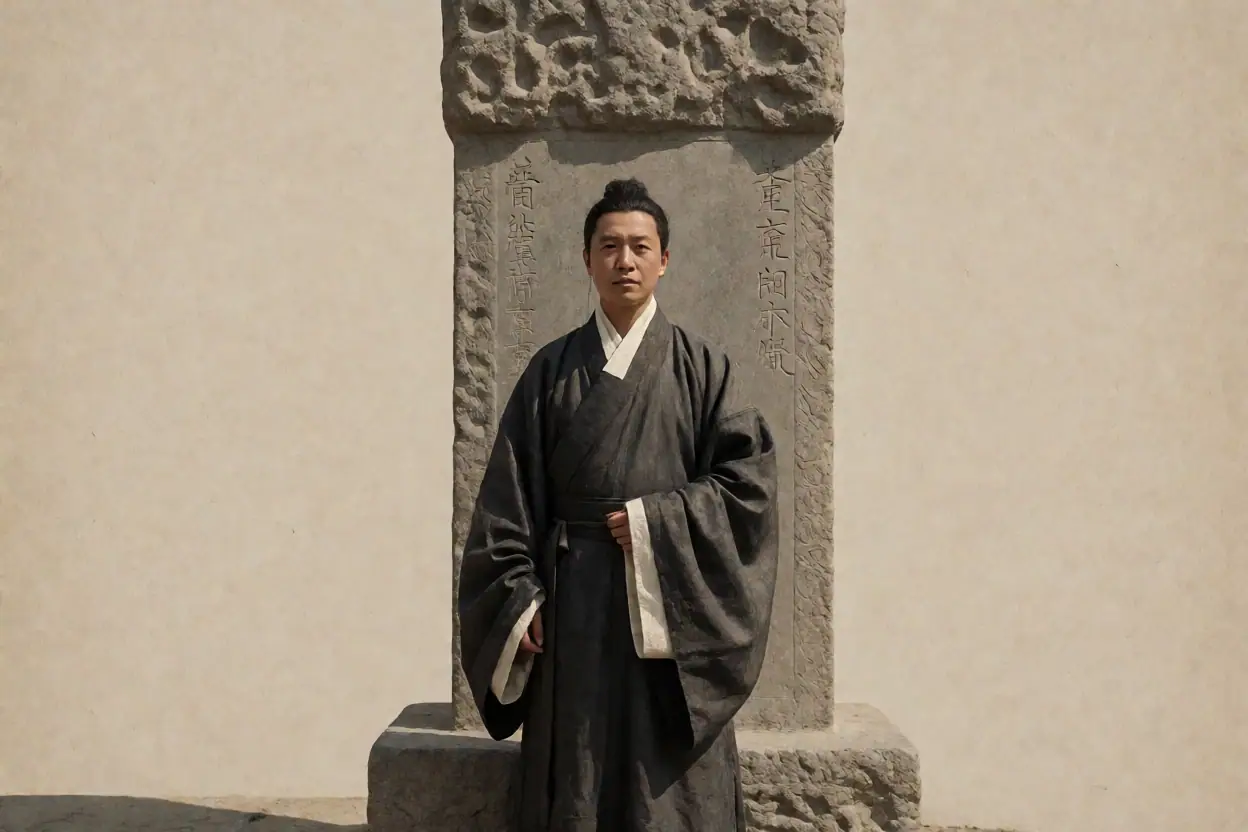
The clues concerning the origins of this Zhang branch focus mainly on two aspects: its ancestral home and migration route, and the continuity of its generation-name sequence. Existing accounts state that the family’s ancestral home was in Zaoyang, Hubei, and that its ancestors may have migrated during the Hongwu era of the Ming dynasty from Luxiang Village in the Yuzhang and Xingan area of Jiangxi. They also mention an irrigation pond called “Lotus Pond” in the village. Because the complete genealogy has been scattered or lost, it is currently possible to identify only the eight generation characters “一、士、尔、维、大、居、东、铭” from stone inscriptions dating from the Tongzhi to Guangxu periods of the Qing dynasty. These materials are valuable for genealogical investigation, but they cannot on their own serve as sufficient evidence for establishing a complete lineage or identifying the founding migrant ancestor.
Generation-name sequences in genealogies are generally used to indicate generational rank and maintain the order of descent within a family. If “一、士、尔、维、大、居、东、铭” does belong to a single set of generation names, it may be compared with the dates when the inscriptions were erected, the names of the deceased, parent-child relationships, and places of residence in an attempt to determine the period associated with each generation character. However, generation-name sequences may be abbreviated, transposed, written with variant characters, or partially revised across different household branches, later genealogical revisions, or copying processes. It is therefore inadvisable to infer an eighteen-character complete sequence solely from these eight characters, and they cannot establish that all people surnamed Zhang descended from a single lineage.
The claim that the family migrated from Jiangxi to Hubei also requires the place names and intermediate stages of migration to be verified. “Yuzhang” was often used as an old name for the Jiangxi region in traditional sources, while “Xingan” is a historical place name referring to an area now within Ji’an, Jiangxi. The specific locations of “Luxiang Village” and “Lotus Pond” should be verified against maps from the Ming and Qing periods, county gazetteers, village gazetteers, inscriptions, and the historical changes in local place names. If tomb inscriptions of the migrating ancestor, ancestral-hall inscriptions, contracts, lists of degree holders, or early genealogical prefaces can be found, their records of native place, style names, spouses, children, and relocation will often be more helpful than later oral accounts in establishing a reliable timeline.
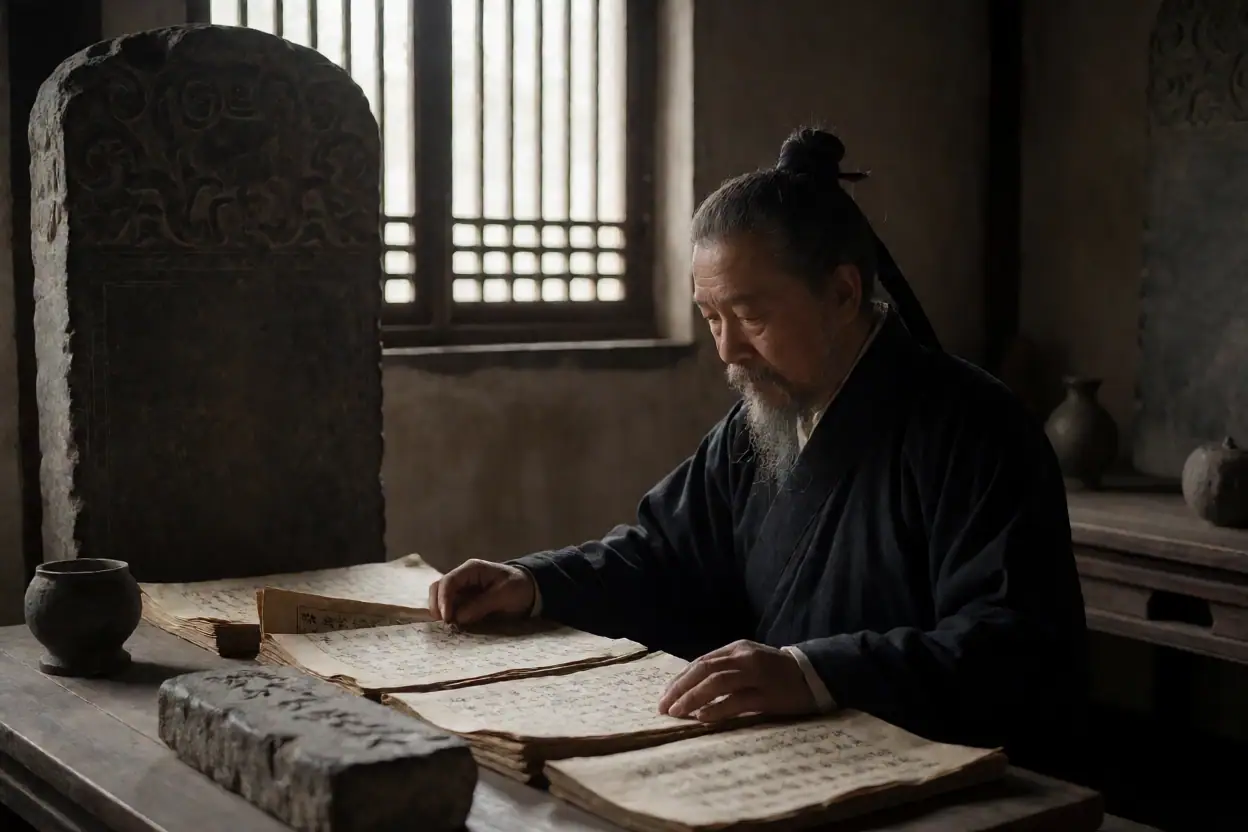
For practical verification, begin by organizing any surviving rubbings of inscriptions, photographs of tombstones, ritual records, old house deeds, and oral accounts from elders, noting for each item the location of the original, the date it was photographed, and its chain of transmission. Then, using Zaoyang as the center, consult relevant local gazetteers and search Jiangxi’s Xingan and possible Luxiang Villages for places with the same names and genealogical records of Zhang branches. Online genealogical materials can help identify the same generation-name sequence, the same place of migration, or a similar founding migrant ancestor, but search results should still be checked against the original genealogy, original inscriptions, and local documents. Family memoirs are suitable for preserving information about modern and contemporary migrations and household-branch divisions, while local gazetteers can help clarify changes in administrative boundaries. Only through cross-comparison of surname records, online genealogies, genealogical investigations, and local gazetteers may it be possible to gradually clarify the origins and branch relationships of this Zhang lineage.