Historical Clues to the Jizhou Yang Clan Story and Duan Surname Ancestral Research
Jizhou was formerly known as Wuzhong. Local narratives record the rise of the Yang clan from the Wei, Jin, and Northern and Southern Dynasties through the Tang dynasty, as well as its interactions with regimes established by the Duan clan. Research into the origins of the Duan surname can use this material to understand the historical environment of western Liaoning and Youzhou, but it cannot be used to conclude directly that the Yang and Duan clans shared the same ancestry.
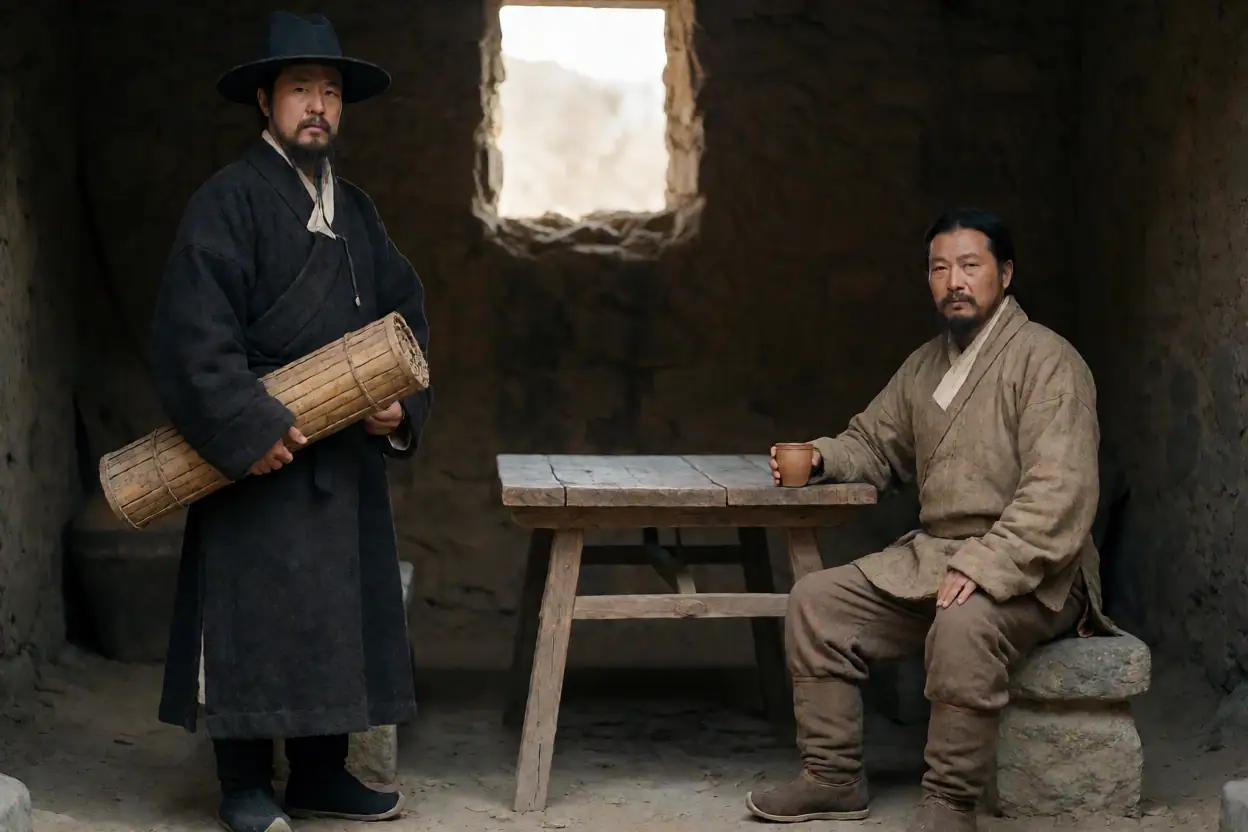
In ancient times, Jizhou long stood at the intersection of the historical regions of Youzhou, Liaoxi, and others. Local narratives concerning the Yang clan of Wuzhong often examine the family within the northern political landscape from the late Western Jin to the Sixteen Kingdoms period. According to these accounts, Yang Dan served as the governor of Liaoxi under the Western Jin and later received the favor of the rulers of Former Yan, holding positions in military and government affairs. His son Yang Wu and his nephew Yang Yu likewise successively entered local administrations and the core of the ruling government, becoming influential members of the gentry of their time.
Yang Wu, courtesy name Shiqiu, was said to have been valued by the Murong clan for his learning and administrative ability. He successively held positions in Pingzhou, Liaodong, and other areas, and participated in military and political decision-making during the Former Yan period. Relevant narratives also emphasize that he lived through the eras of Murong Hui, Murong Huang, Murong Jun, and Murong Wei, and that even in his later years he was known for his self-restraint and frugal way of life, while placing importance on guiding his descendants through moral conduct. Yang Yu, courtesy name Shilun, lost his father at a young age and was raised to adulthood by his uncle Yang Dan. He was later invited to serve by a Duan regime and held office in the Liaoxi region. This shows that the history of families in and around Jizhou concerns not only the rise and fall of a particular surname, but also reflects the complex and continuing ties among scholars from the Central Plains, local powerful clans, and northern regimes.
Duan surname records identify Jingzhao, Wuwei, and Liaoxi, among other places, as commanderies associated with the surname, and list Jingzhao Hall among its hall names. Accounts concerning the Duangan clan, the origins of fiefs, and Xianbei branches represent explanations of the surname arising from different historical contexts. When examining a particular branch, these accounts still need to be checked item by item against genealogies, epitaphs, local gazetteers, and contemporaneous texts. The Duan clan was active in the Liaoxi and Youzhou regions and also had political or social connections with members of the Yang clan, but such connections constitute historical interactions and cannot directly establish a blood relationship.
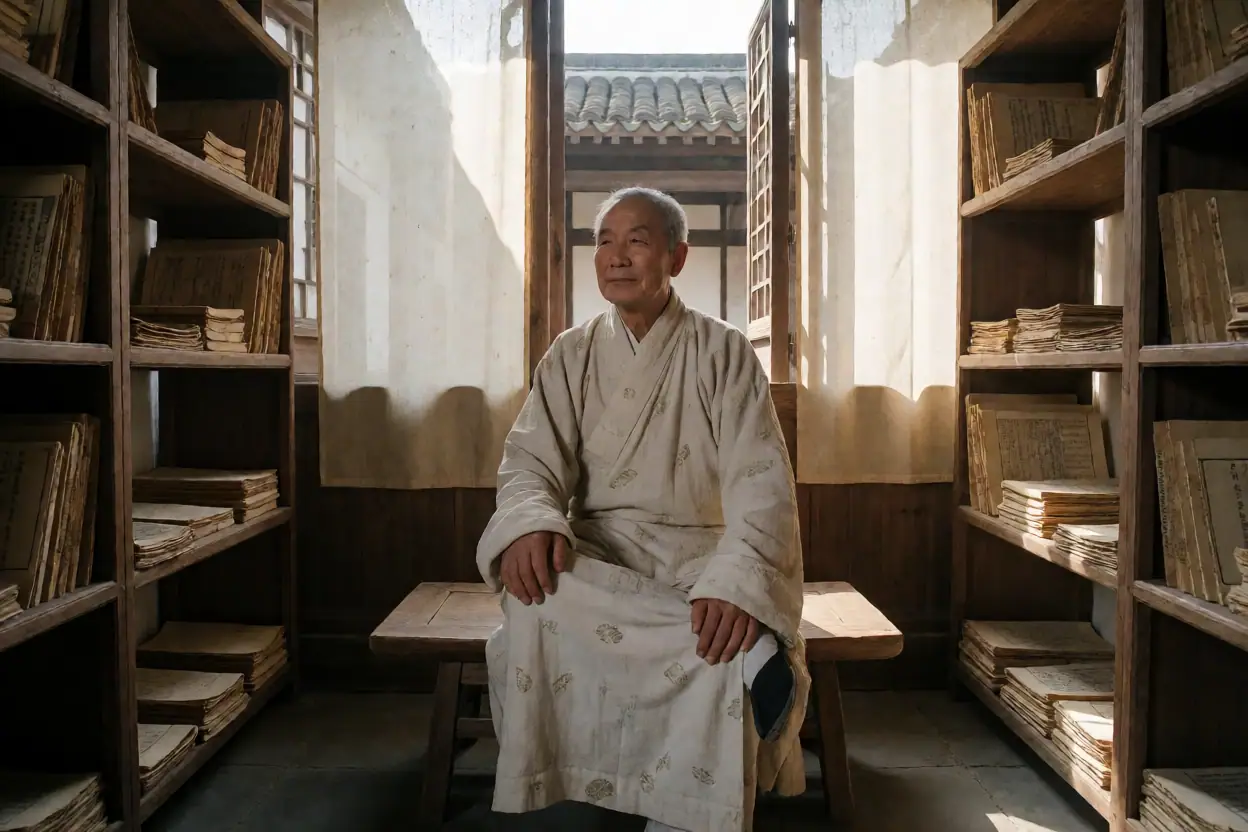
When tracing the roots of the Duan surname, a more reliable approach is to first establish the recent ancestors and the first ancestor to migrate, then investigate layer by layer using clues from villages, prefectures and counties, genealogy editions, and generation names. Online genealogies can be used to compare names, lines of descent, and places of migration, while surname databases can help clarify commandery origins, hall names, and variant forms of written names. Family memoirs can help preserve oral traditions, ancestral hall locations, cemetery information, and family terminology. Clues involving Jizhou, Liaoxi, or other northern regions should also be cross-referenced with records in local gazetteer databases concerning administrative changes, population migration, schools and ancestral rites, and notable figures.
It is especially important to note that sharing a surname does not mean sharing the same lineage, and the same hall name does not necessarily indicate the same branch. The native places, official positions, and clan affiliations of historical figures may differ across records; ancient lineages in genealogies may also contain inaccuracies resulting from later revisions, copying, or subsequent embellishment. Accordingly, the story of the Jizhou Yang clan is best treated as a clue for understanding regional history and framing questions for ancestral research. The specific origins and migration routes of the Duan family should instead be based on verifiable genealogies, inscriptions, archival records, and local gazetteers.