Migration Clues and Genealogical Analysis of the Peng Clan in Pingshan, Sichuan
The Peng families in Pingshan, Sichuan, and the areas on both sides of the Jinsha River have preserved family memories of entering Sichuan with military forces during the Ming–Qing transition and settling there after laying down their arms. Existing accounts mention figures including Peng Youxue, Peng Shouxian, and Peng Shi, but their lineages, official positions, and migration relationships still require cross-verification through genealogies, local gazetteers, tomb inscriptions, and other materials.
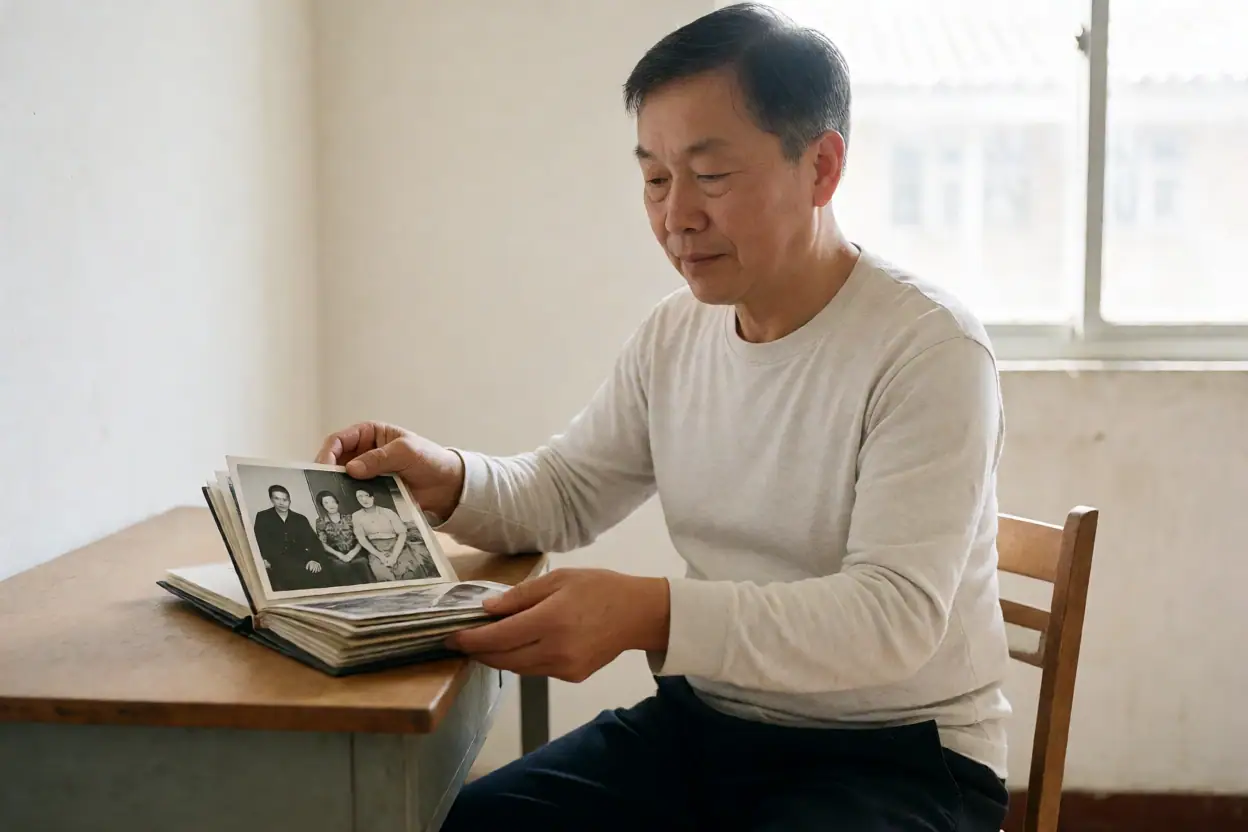
The Peng clan in Pingshan, Sichuan, and the lower reaches of the Jinsha River has preserved a family memory associated with the warfare, military-registration migrations, and local development of the Ming–Qing transition. Related accounts state that one branch of Peng Youxue’s lineage later lived in Daxuedeng, west of the county seat of Pingshan in Mahu Prefecture, while a branch of Peng Shouxian’s lineage lived in parts of present-day Shuifu, Yunnan, on the southern bank of the Jinsha River. Members of the two branches are said to have descended from brothers, but this relationship currently appears mainly in oral accounts and fragmentary genealogical clues; it cannot be determined solely from their shared surname or the proximity of their settlements.
Regarding the branch of Peng Youxue, family memory holds that its early residence was once in the county seat of Pingshan. The old genealogy may have been scattered and lost amid warfare and a house fire during the Kangxi era, and later revised genealogy volumes were not preserved in full either. Based on incomplete materials, existing accounts speculate that Peng Youxue’s earlier ancestors may have been connected with figures such as Peng Yingxiang and Peng Yongchang of the Ming dynasty, and further suggest that he may have been a descendant of Peng Shi of the Ming dynasty. Peng Shi was a Ming official; information concerning his ancestral home, degree or examination title, and official posts should still be checked item by item against biographies of Ming figures, local gazetteers, and relevant Peng genealogies. Family tradition should not be treated directly as a fully established lineage.
Another migration narrative places Peng Youxue and Peng Shouxian within a military network commanded by Hou Liangzhu and his descendants, stating that the two traveled with the army through Sichuan and, after the Ming–Qing transition, changed from military personnel into settlers. The account mentions place names including Pingshan in Mahu Prefecture, Baihua Chang, Shulouba, Xiba, and Xiaotuli, and also touches on historical changes in the administrative divisions of present-day Pingshan and Shuifu. Such place names and military-administrative arrangements need to be compared against prefectural and county gazetteers from different periods, guard and garrison archives, military-registration materials, and local administrative histories, with particular attention to misidentifications caused by identical or similar place names in the past and present.

When researching this type of family history, oral recollections, surviving genealogical fragments, tombstones, ancestral-hall inscriptions, marriage and funeral documents, and local gazetteers should be recorded separately, followed by the creation of a cross-reference table organized by person, date, location, and kinship. Online genealogical resources can help identify branches with the same names and generation-name patterns; family memoirs are useful for preserving migration routes and local memories; and ancestry research can further compare Peng genealogies from places such as Anfu, Jiangxi. If facsimiles of the original genealogy, prefaces or colophons, lineage charts, or clear information about the collection can be obtained, the assessment will be more reliable. It is important to remember throughout that the Peng surname is widely distributed: sharing a surname does not mean sharing the same ancestral line, and sharing the same hall name cannot by itself prove a blood relationship. At present, the more cautious formulation is to regard the military-registration migrations of the Pingshan Peng clan, its settlements on both banks of the Jinsha River, and its connection with the branch of Peng Shi as historical leads requiring further verification.
Learn More and Verify
- Migration Clues and Branch Analysis of the Shangguan Clan in Hunan
- Migration Clues for the Rong Surname and Genealogical Analysis of the Wutai Branch
- Migration clues and branch analysis in the genealogical records of the Pan clan
- Clues on the Migration Routes of Two Yuan Lineages in Hunan and an Analysis of Their Genealogical Records
Genealogy Knowledge and Methods for Compiling Genealogies · Finding Genealogies and Local Gazetteers · Organize family-root-seeking leads