Historical Memories of Mu Figures and the Rui'an Branch
Figures bearing the Mu surname appear in local documents, genealogies, and biographical records from the Song, Yuan, and Ming dynasties onward. The Mu clan of Ruian is known for its tradition of success in the imperial examinations, while the Mu clan of Lijiang left a historical imprint through governing border areas and facilitating cultural exchange among multiple ethnic groups. Whether Mu branches in different regions share the same ancestry still requires cautious examination against genealogical records, local gazetteers, and migration clues.
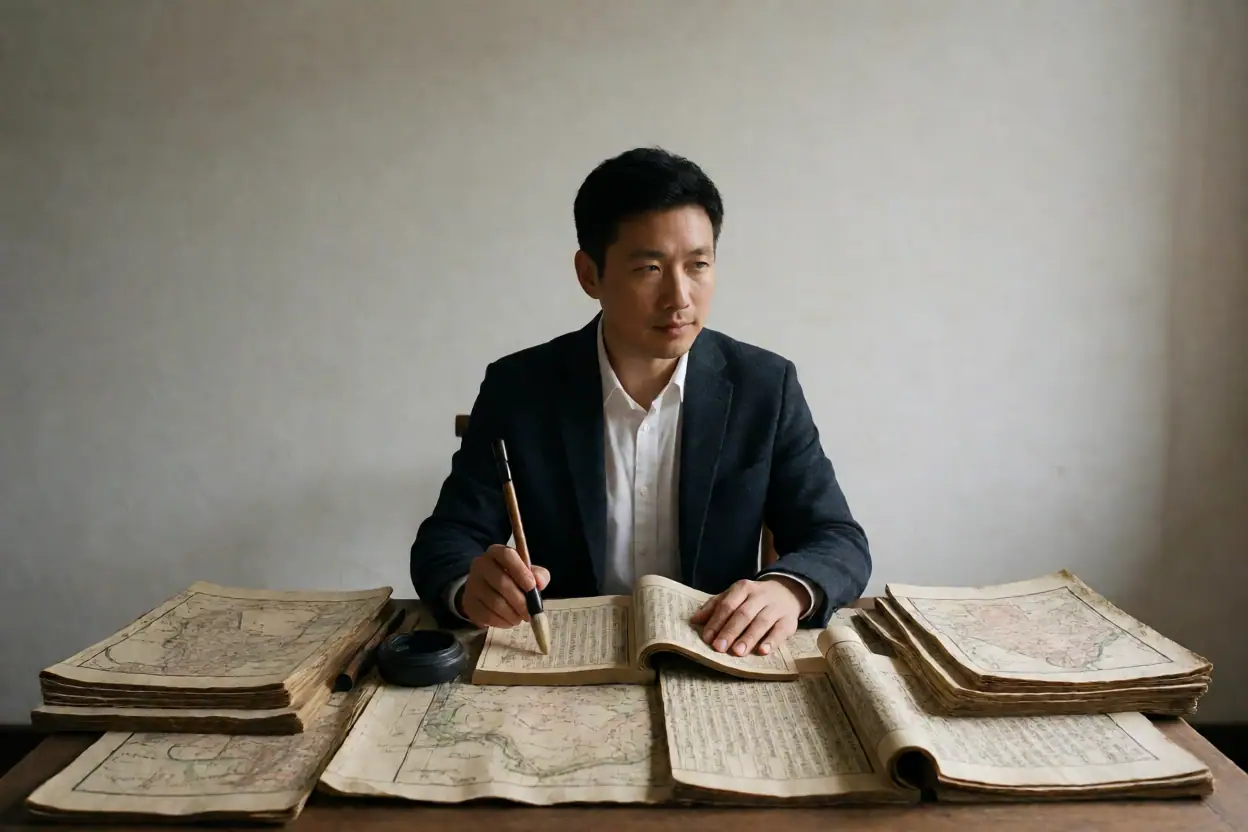
The Mu surname is not common in historical documents, but figures associated with it were active across a wide area. These included the tradition of imperial examinations and Neo-Confucian learning in Rui'an, Zhejiang, as well as the local governance of the tusi family of Lijiang, Yunnan. A shared surname alone cannot establish that Mu families in different regions descended from the same origin; the correspondences among ancestral names, migration dates, places of residence, and genealogical records still require item-by-item verification.
Existing local records from Rui'an identify Mu Chang as an important figure in the migration of one Mu branch to the area. According to relevant clan genealogies, Mu Chang originally lived in the Fujian region and later settled in Teng'ao, Rui'an, after fleeing warfare, where he established a community alongside families surnamed Xu, Wu, and Quan. The genealogy uses “Li Ren” as an allusion to the place of residence, expressing the family's hope for flourishing descendants and harmonious relations with its neighbors. Such records reflect both the family's remembrance of its founding ancestor after migration and the cultural expressions commonly found in traditional genealogies. The specific dates, companions, and course of the relocation should still be cross-referenced with local gazetteers, inscriptions, and different versions of the clan genealogy.
The historical reputation of the Rui'an Mu clan is primarily associated with educational and imperial examination achievements since the Song dynasty. Mu Daiwen is recorded as the top-ranking candidate in the imperial examination during the Song dynasty and was one of the most representative figures of this branch. Mu Tianjun was known for studying Neo-Confucianism, lecturing, and holding official positions, and his scholarly activities were connected with the academy culture of eastern Zhejiang and the Fujian region at the time. Mu Yuansi is recorded as a descendant of Mu Tianjun, while Mu Jingfang appears in records of scholars and education officials around the transition from the Yuan to the Ming dynasty. Claims such as “multiple jinshi in succession during the Song dynasty” should be grounded in an individual-by-individual comparison of the jinshi lists, local gazetteers, and genealogical lineages before any accurate conclusion can be reached; generalized accounts alone are insufficient.
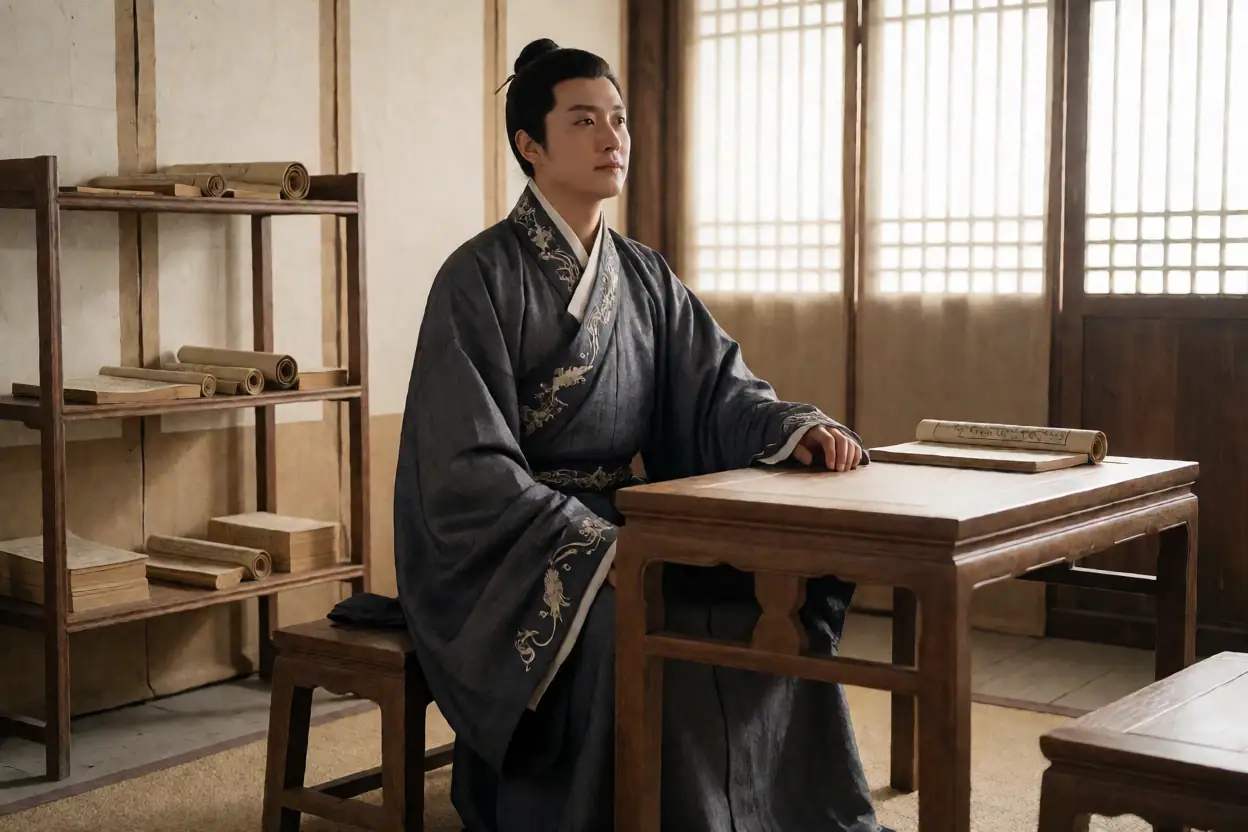
The historical background of Mu figures in Yunnan was different. Mu Zeng came from the Lijiang tusi family and was simultaneously a local administrator, author of poetry and prose, and participant in cultural exchange. Relevant records state that he attached importance to agriculture, handicrafts, and mineral development, and that he undertook responsibilities involving frontier affairs, military provisions, and public works. His poetry and prose, together with his interactions with literary figures, reflect the connections between the Naxi region and the cultures of the Central Plains and surrounding areas. Mu Gongshu was likewise remembered as a member of the Lijiang native prefectural family and as a poet, but the available evidence is insufficient to confirm whether he had a clan connection with the Rui'an Mu clan.
Research into the history of Mu families can begin with surname materials, online genealogies, family memoirs, and local gazetteers. Individuals, place names, ancestral hall names, generation names, and migration routes should be recorded separately, then cross-verified against original genealogy pages, local-gazetteer volume references, tomb inscriptions, contracts, and other materials. Family memoirs help preserve modern oral memories, online genealogies facilitate comparisons of lineage nodes among different branches, and local gazetteers can supplement information on official appointments, imperial examinations, and the development of settlements. Ancestral hall names, commandery origins, and traditions concerning founding ancestors should likewise be distinguished between shared cultural designations and actual bloodline branches, so as to avoid forcibly merging them merely because their names are the same.