Sichuan Quxian Yin Clan Ancestral Hall: Memories of Reconstruction and Clues to Migration
The Yin family ancestral hall in Guiba Village, Yuanbao Township, Quxian, carries the local clan’s ritual traditions and memories of migration. Existing records associate its branch with Huaqing Gong of Changning, Hunan, but the precise generational lineage, the date of its entry into Sichuan, and the distribution of its various household branches still require further comparison with genealogies, inscriptions, and local histories.
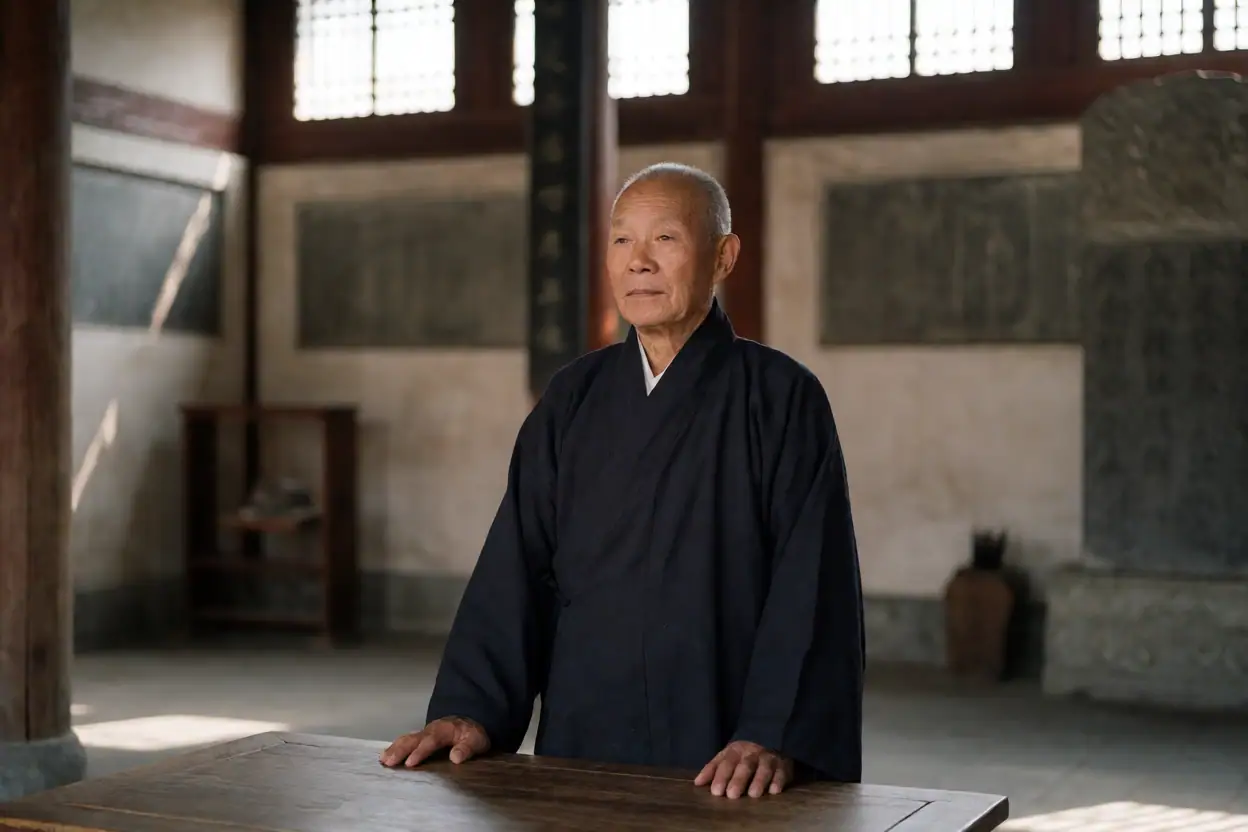
In Guiba Village, Yuanbao Township, Quxian County, Sichuan, there is an ancestral hall associated with members of the Yin clan. Existing written records state that the hall was originally built during the Xianfeng period of the Qing dynasty, but later collapsed after years of disrepair, making it difficult for it to continue serving its functions of ancestor worship and clan gatherings. Around 2014, local descendants of the Yin clan began discussing its reconstruction and used land at the former residences of clan members as the construction site. The records also mention that descendants participated in both the design and construction of the ancestral hall, which was completed in September 2017 and was originally scheduled to be officially put into use at the end of 2018.
The significance of this ancestral hall lies not only in the restoration of a building. According to relevant family accounts, one branch of the Yin clan in Quxian is believed to be connected to the descendants of Huaqing Gong of Changning, Hunan, and to the population movements associated with the Qing-era migration known as “Huguang Fills Sichuan.” Such accounts reflect family members’ memories of their ancestral home, migration routes, and common ancestor. However, whether Huaqing Gong was the founding ancestor who first migrated to this branch, when the branch moved from Changning to Quxian, and which places it passed through along the way cannot be determined solely from introductions to the ancestral hall or oral accounts. Genealogies, tomb inscriptions, merit steles, and oral traditions preserved by different branch lineages may also contain variant accounts.
The spirit tablets, merit steles, and the stele associated with “Yijing Hall” found inside the ancestral hall provide clues for understanding the local Yin clan’s ritual order, charitable activities, and cultural transmission. Names, dates, donors, place names, and official titles recorded in the inscriptions can often help researchers establish more specific chronological relationships. If these materials can be cross-referenced with clan genealogies from the Qing dynasty and the Republican period, as well as local gazetteers of Quxian, it may become possible to distinguish ancestral-origin traditions, memories of migration, and historically verifiable facts.
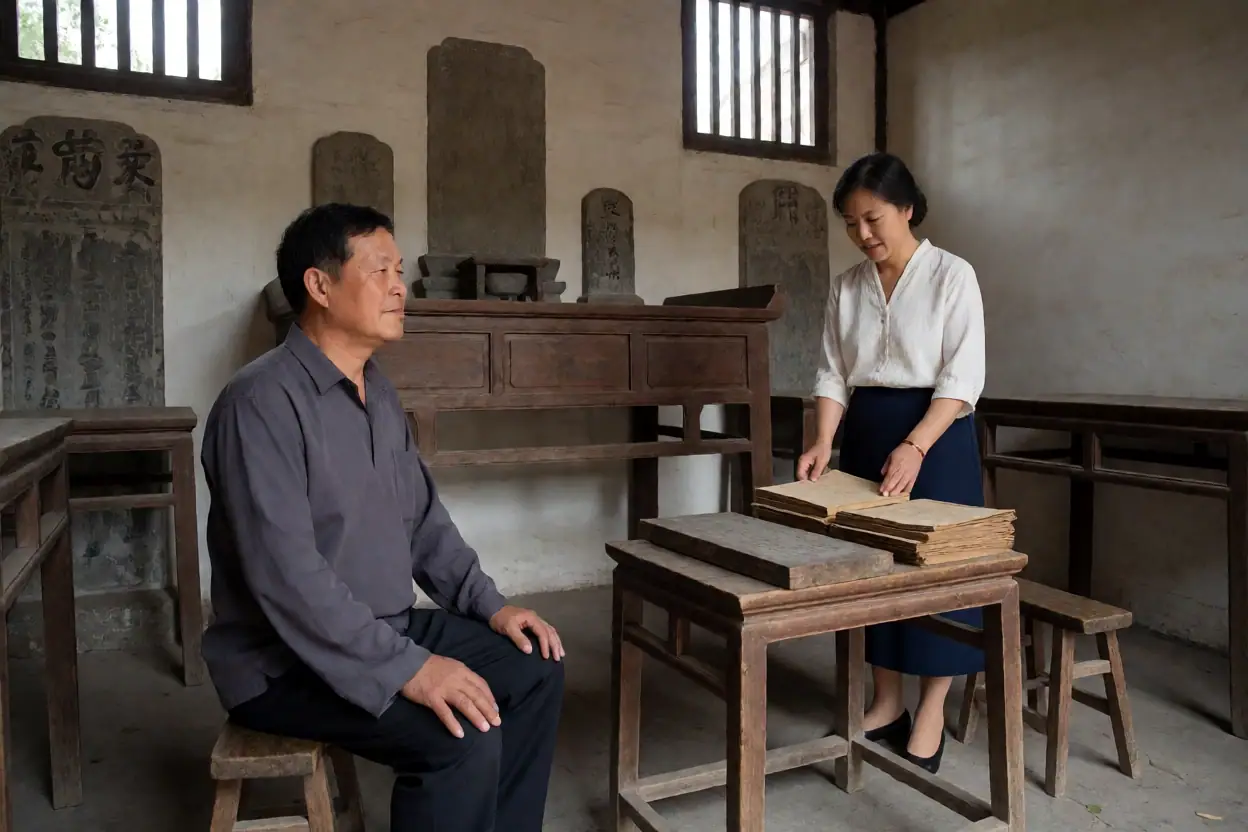
When tracing one’s roots, it should also be noted that “Yin” and “Yi” may be used interchangeably or listed together in some sources; they cannot be regarded as belonging to the same lineage merely because their written forms are similar. Even sharing the same surname or generation hall name, or using some of the same generation names, does not necessarily mean that branches in different places came from the same lineage. Online genealogies can be used to compare genealogical names, generation names, places of residence, and kinship relationships. Family memoirs can supplement details concerning the construction of the ancestral hall, relocations, and worship practices. Surname databases, local gazetteer databases, and photographs of inscriptions can help verify changes in place names and the activities of historical figures. Only by matching these materials item by item can the transmission lineages of the various Quxian Yin branches be outlined with reasonable confidence.