An Examination of the Pronunciation and Origins of the Mi Surname: From Ancient Names to Tracing Family Roots
The Mi surname is relatively uncommon. Historical literature includes the view that “Mi” and “Fu” were interchangeable, as well as traditional accounts tracing the distant ancestry of the surname to Fuxi. Because pronunciation, regional usage, and branches vary, specific lineages should still be verified against genealogies, local gazetteers, and family memories.
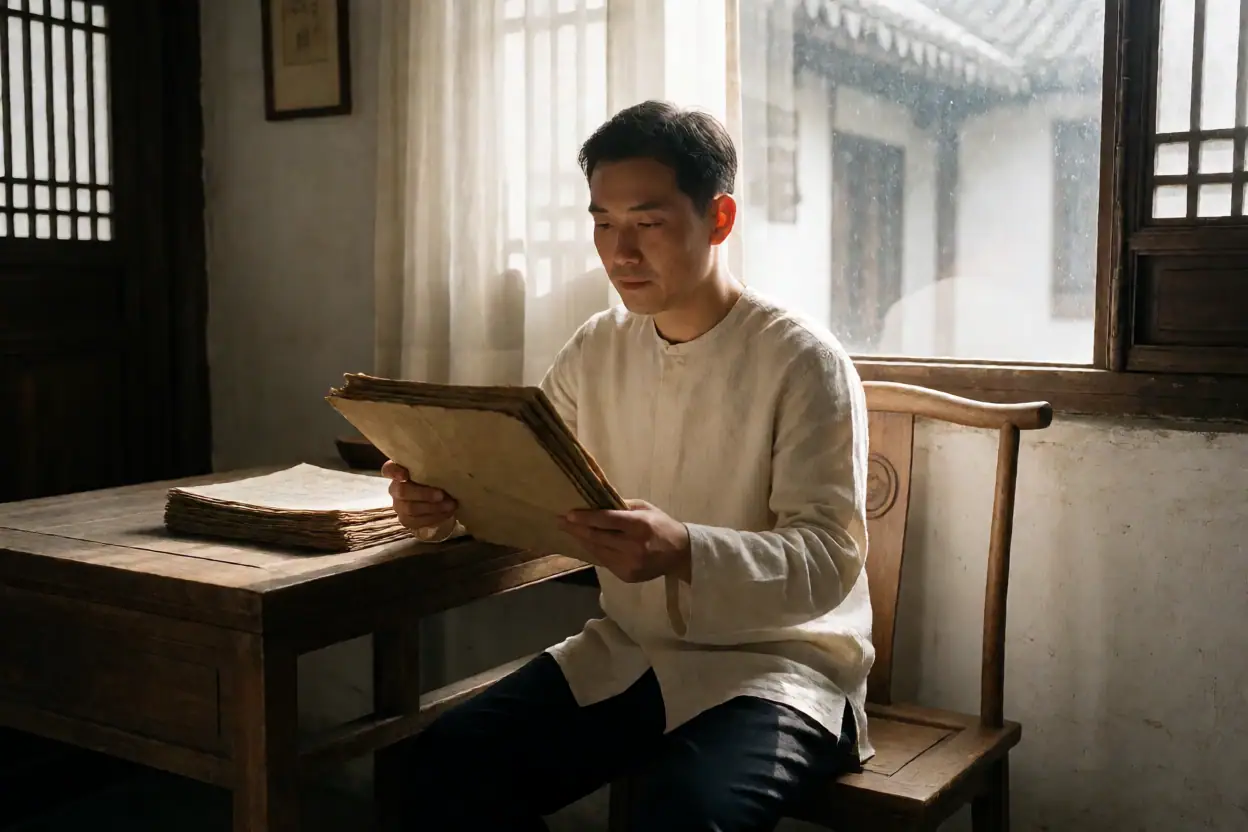
The Mi surname is not common today, but its pronunciation merits attention. In relevant dictionaries and historical texts, the character Mi has been pronounced fú and mì, among other readings, and ancient records also describe it as interchangeable with Fu. Today, pronunciations may vary among regions and families. Therefore, when compiling a genealogy, preparing a tombstone, or contacting relatives, it is advisable to follow the long-established pronunciation used by members of the branch and the character currently recorded in household registration documents, rather than relying solely on a dictionary pronunciation.
Regarding the origins of the Mi surname, traditional accounts of surname lineages often connect it with Fuxi, holding that Mi and Fu were once interchangeable in ancient times and that Fuxi was also known by variant names such as Mìxī. Some later descendants consequently adopted Mi as their surname. Such accounts reflect the ways in which people in antiquity traced the origins of surnames and have value for the study of surname culture and historical texts. However, ancient legends, later genealogical records, and historical materials that can be mutually corroborated are not equivalent. To determine whether a particular Mi branch descends from the same ancestral origin, it is also necessary to examine continuous genealogical lines, records of the founding migrant ancestor, changes in place of residence, tombs and inscriptions, and local gazetteers. One should not directly conclude that groups share the same clan merely because they jointly venerate a particular figure from antiquity.
The titles of historical figures can also help explain the evolution of the Mi surname. Materials concerning the disciples of Confucius include the names Mi Buqi and Mi Zijian. These variant forms show that the written forms and pronunciations of surnames were subject to change in antiquity, but they should not be used to infer that all Mi families today have a direct-line relationship with this figure. The names of individuals, interchangeable surname characters, and genealogies from later periods need to be compared item by item with regard to their dates, regions, and textual editions.
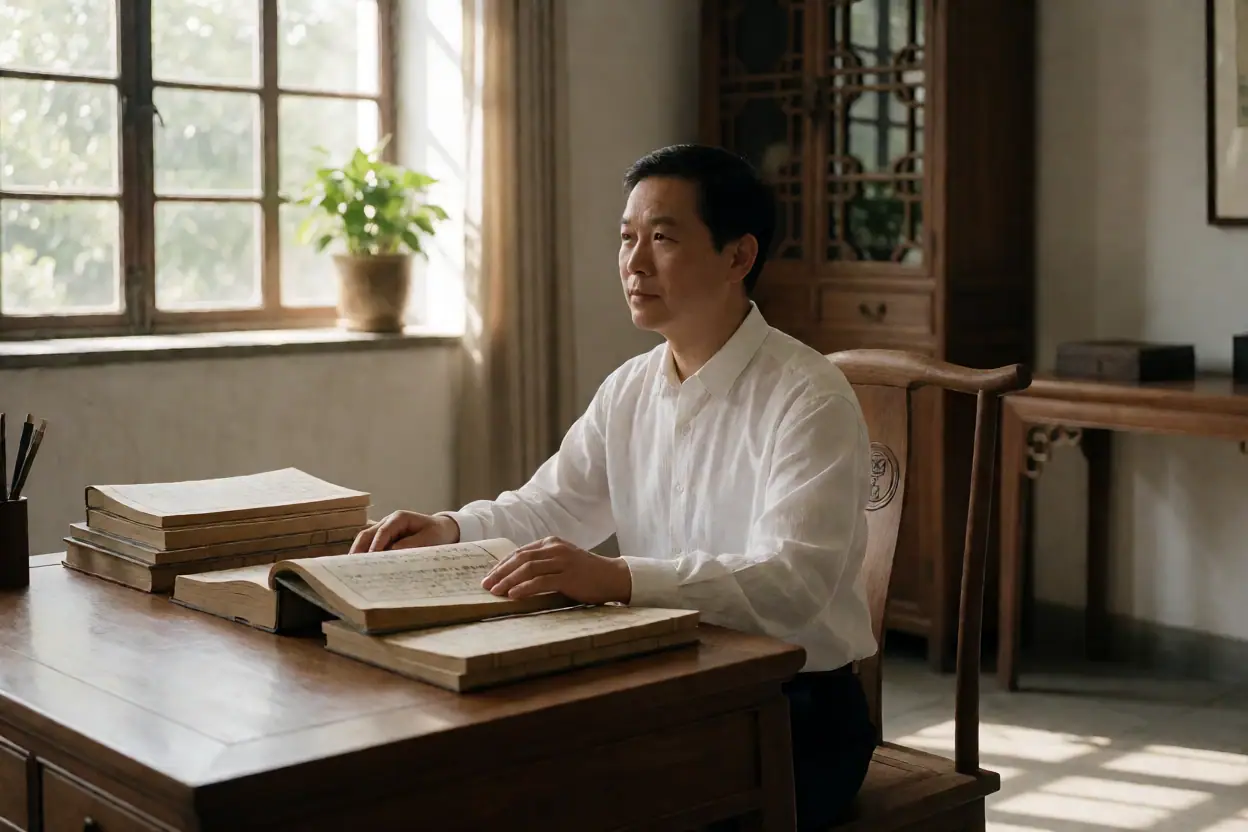
As for regional distribution, existing family memories and local materials contain clues that some areas of Zhejiang have Mi communities or records of continued genealogy compilation. There are also records of mountain villages named after the Mi surname and clan members undertaking searches for relatives. These materials can indicate directions for further research, but cannot on their own prove that Mi families in different places belong to the same branch. When tracing family roots, one may first record the ancestral village, the time of migration, generation names, marital relationships, the name of the ancestral hall, and the location of burial grounds, then compare them one by one with the individual entries in online genealogies. For lineages with many gaps, county gazetteers, township gazetteers, inscriptions, and old newspapers should also be consulted.
Family memoirs are equally important in research on the Mi surname. Oral accounts from elders often preserve details about name changes, efforts to avoid unrest, migration, and the division of family branches, but memories may place events in the wrong chronological order. A more reliable approach is to mark oral accounts with the speaker, the date, and the degree of uncertainty, and then cross-check them against genealogical records and local gazetteers. By systematically comparing surname databases, online genealogies, family memoirs, and local gazetteers, it is possible to gradually establish clues about family branches. Final conclusions should still be based on original materials that can corroborate one another.