Zou Clan Memories and Clues for Tracing Roots in Ancestral Hall Remains
Several Zou ancestral halls or related remains are found in Jiangxi, Fujian, Jiangsu, Guangdong, Zhejiang and other places. Their architectural layouts, steles and plaques, couplets, and restoration records provide clues for studying local branches, family educational traditions, and migration patterns. However, whether Zou lineages in different regions share the same ancestry must still be verified individually against genealogies, local gazetteers, and archives.
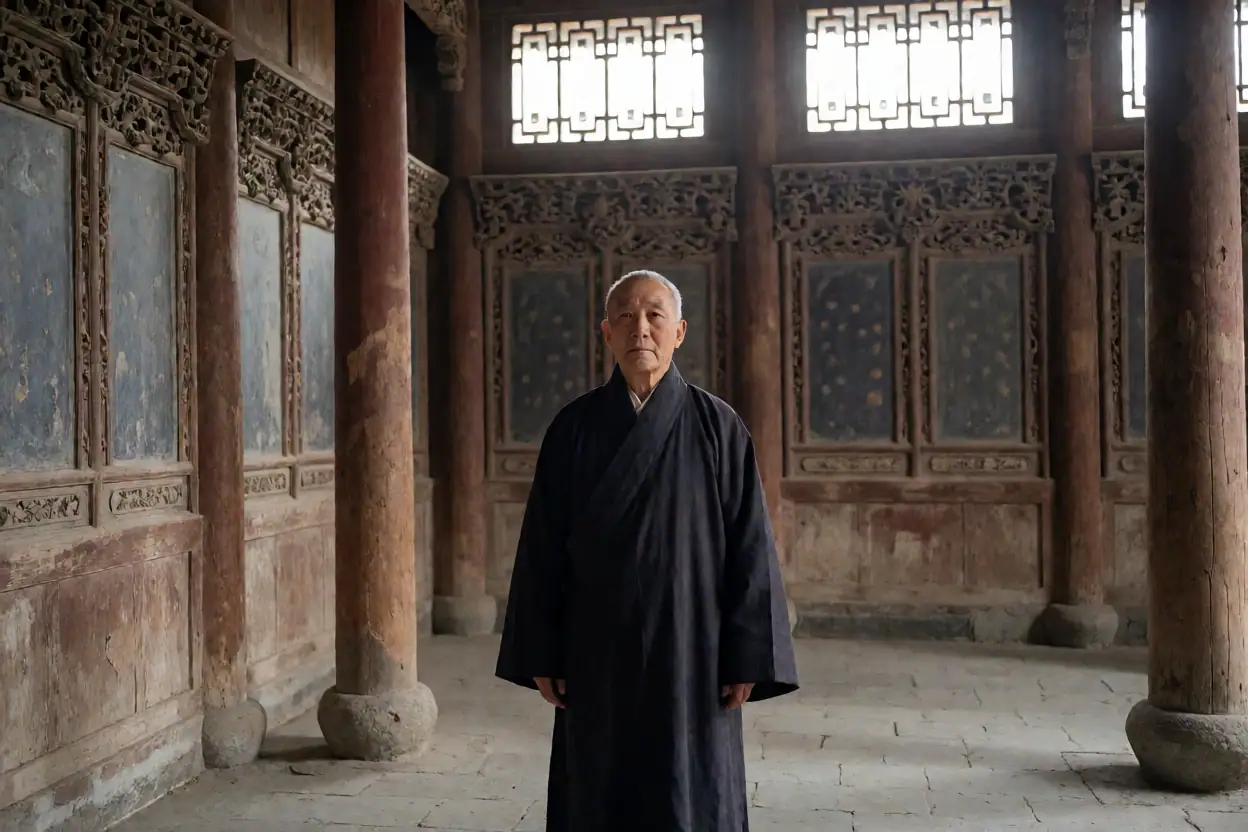
Ancestral halls are not only places for venerating ancestors but also important spaces for preserving family memories. Existing materials mention Zou ancestral halls or related commemorative buildings in Shikeng Village, Suichuan, Jiangxi; Longgang, Jiangxi; Taining, Fujian; Wuxi, Jiangsu; Longchuan, Guangdong; and Lishui, Zhejiang. Their regions, architectural forms, and cultural meanings differ, reflecting primarily the life trajectories of local Zou branches in specific historical contexts. They cannot, on this basis, be taken to indicate that all Zou lineages in these places descend from the same lineage.
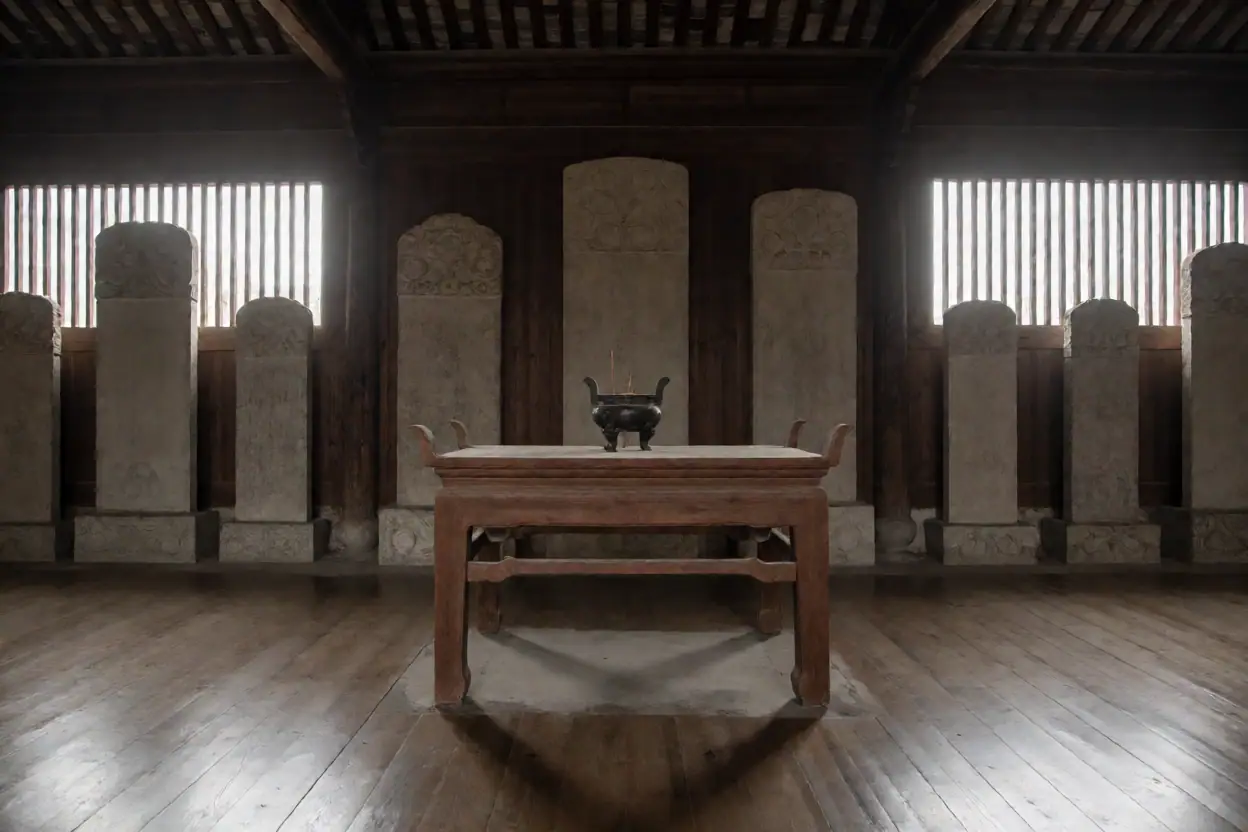
The Zou Family Ancestral Hall in Shikeng Village, Suichuan, Jiangxi, is associated with village settlement patterns, local educational traditions, and a group of steles commemorating academic honors. Materials state that the area preserves a relatively large number of such steles and that family memories emphasizing study and reverence for ancestors have been passed down. The actual number of steles, the dates of their inscriptions, and the identities of the people commemorated should still be verified through on-site rubbings, county gazetteers, school registers, or imperial examination archives. The Zou ancestral hall in Longgang, Jiangxi, is said to have been rebuilt on the site of an earlier ancestral hall and to feature Hui-style architecture. Accounts also refer to Zou Weilian and related plaques inside the hall. Whether the plaques are original objects and when their inscriptions were created should be determined through examination of the physical objects and historical documents.
Zou Clan Memories and Clues for Tracing Roots in Ancestral Hall Remains: Illustrative Cultural Scene
More than 600 square meters in area, the Zou Clan Ancestral Hall in Tuocheng, Longchuan, Guangdong, is recorded as having retained its traditional layout, couplets, and multiple halls and rooms during restoration, while also establishing a cultural exhibition space. Such information helps trace the evolution of clan communal spaces in Lingnan and Hakka regions, but hall names such as “Fanyang Hall” can only serve as search clues. ZongMai surname materials list Fanyang among the commonly cited commanderies of origin for the Zou surname, while also recording Taiyuan, Guangling, and other such claims. The fact that hall names or commanderies of origin are the same is not sufficient to prove a direct blood relationship between present-day families.
To trace Zou family roots, one may first review accounts of ancestral origins and regional distribution in surname materials, then use online genealogies to compare the first ancestor to migrate and settle in a place, generation names, spouses, residences, and migration points. Old family genealogies, ancestral spirit tablets, tombstones, contracts, letters, and photographs should be documented with their original condition and storage locations noted. Oral accounts from elders may be compiled into family memoirs, but the narrator, date, and uncertain points should be clearly identified. County gazetteers, village records, cultural heritage registers, and household registration archives can then be consulted to establish an evidence chain of “person—date—place—relative.” Only when multiple records corroborate one another is it appropriate to discuss a genealogical connection between a particular ancestral hall and a particular Zou branch.