Distinguishing Manchu Surnames and Family Origins Through Clues from the Fu Surname
Existing accounts of the origins of the Manchu Fu surname and the Fucha clan address several aspects, including former Jurchen surnames, surnames derived from place names, the Eight Banners system, and the adoption of Han surnames. The histories of different branches are not the same and must be verified from generation to generation against genealogies, local gazetteers, and family memories; clan affiliation cannot be determined from a surname alone.
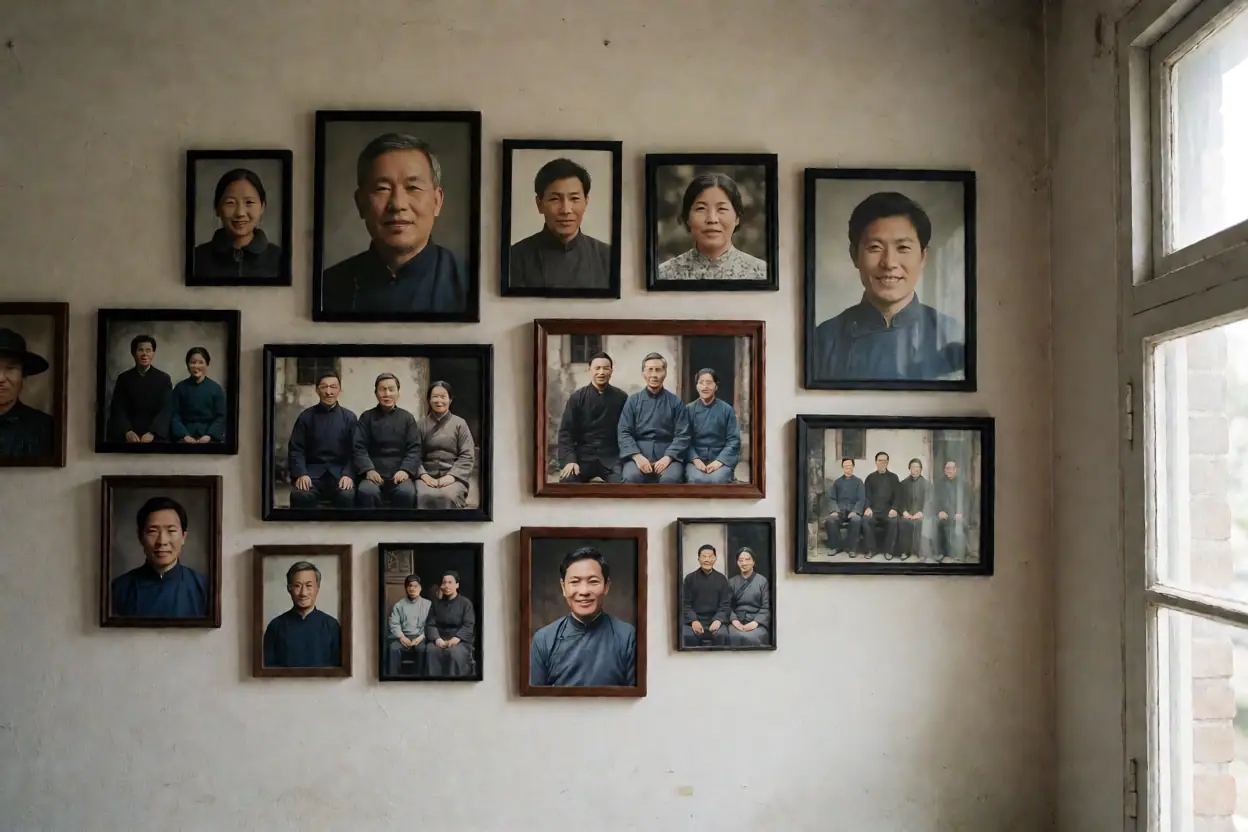
Regarding the origins of descendants of Manchu families using the surname “Fu,” existing family accounts commonly mention Fuca, a Manchu surname. Relevant materials suggest that Fuca had different names and branches during the Jin, Yuan, Ming, and Qing periods, while some families developed new designations based on their place of residence, tribal affiliation, or relationships of allegiance. As various Jurchen and Manchu groups continued to divide and differentiate through prolonged migration, conquest, banner organization, and surname changes, people who use the Han Chinese surnames “Fu” or “Fu” (傅) today may not all descend from the same Fuca branch, nor can a common ancestor between them be confirmed directly on that basis.
One type of genealogical account links Fuca to “Pucha” (蒲察), or a similar old surname, recorded during the Jin dynasty, and mentions that some members of the clan were active in Liaodong, among the Haixi Jurchens, and in Mongolian regions. Other materials use places of residence as a clue, suggesting that certain branches may have taken the surname because they had lived for generations in the Fuca area. Some families also developed relatively clear genealogical lineages after pledging allegiance during the Later Jin and Qing periods and being enrolled in the Eight Banners. These accounts reflect the memories and documentary traditions of certain branches, but cannot summarize all the origins of Fuca. For a particular family, the original genealogy, tomb inscriptions, banner-register archives, local gazetteers, and continuous lineage records must still be cross-checked.
The formation of the “Fu” surname may also be related to the sinicization of Manchu surnames after the Qing dynasty. At different times, some Manchu families adopted Han Chinese surnames that were similar in pronunciation, meaning, or ease of writing to their original surnames; as a result, the surnames Fu and Fu (傅) may appear among descendants of the same old surname. However, there was no uniform rule for converting surnames. The same “Fu” surname may have originated from different Manchu surnames and may even be connected to surname lineages outside the Manchu community. When tracing family origins, priority should be given to ancestral places of residence, ancestors’ names, banner-registration or company-leader information, migration routes, generation names, burial sites, and marriage networks, rather than the surname itself.
Existing surname sources also contain an entry for the Femo clan, recording Bohai Hall as its ancestral hall name and listing Bohai, Qinghe, and Henan among its commanderies of origin, along with distribution clues in Sichuan, Chongqing, Hubei, Hunan, and Guizhou. Femo and Fuca are different surname designations. Their common origin cannot be assumed merely because “Fei” and “Fu” resemble each other in written form or pronunciation; regional distribution can serve only as a direction for research and cannot replace proof from genealogical records. If family oral history mentions Fu, Fu (傅), Femo, or other old Manchu surnames, each designation should be recorded separately before seeking corresponding dates, places, and individuals.
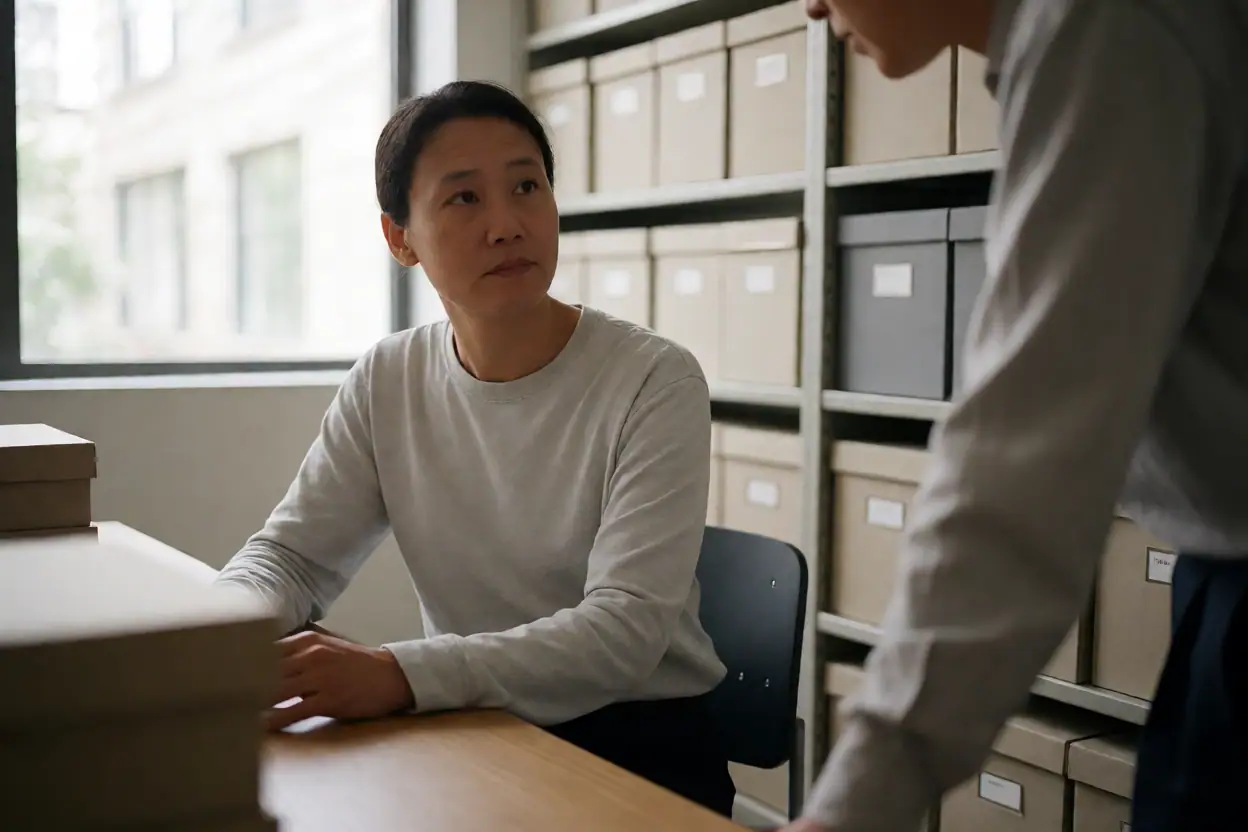
When tracing one’s roots, begin by organizing the names, courtesy names, places of residence, burial sites, and migration dates of family members from the most recent five to seven generations, noting whether each detail is based on something “heard,” “recorded in a genealogy,” or “inscribed on a stele.” Online genealogy searches can then be used to locate branches with the same names, while local gazetteer databases can help identify changes in villages, garrison arrangements, and records of clan residences. Accounts in family memoirs should be compared item by item with original documents. Only when names, dates, places, and kinship relationships connect continuously can an attribution to a particular branch be proposed with reasonable confidence.
Learn More and Verify
- Clues about Guan-Surname Figures and Family Memory: From Source Analysis to Root-Seeking
- The Pronunciation of “尉” in Weishi County’s Name: Distinguishing Among the Place Name, Surname, and Historical Clues
- The Origins and Naming of the Pu Surname: From Surname Clues to Family Lineage
- Naming Girls with the Jin Surname and Tracing Family Roots: Approaching Surname Culture Through Names
Genealogy Knowledge and Methods for Compiling Genealogies · Finding Genealogies and Local Gazetteers · Organize family-root-seeking leads