The Genealogical Value of Records on Zou Figures: A Look at Zou Shan, Zou Liang, and Zou Dan
Existing records concern three figures: the Ming-dynasty figures Zou Shan and Zou Liang, and Zou Dan of the Liu Song dynasty of the Southern Dynasties. They can be examined separately through their native places, participation in the imperial examinations, official careers, and writings. Sharing a surname is only a clue for tracing origins; whether they can be placed within a specific Zou clan branch still requires verification against family genealogies, local gazetteers, and primary sources.
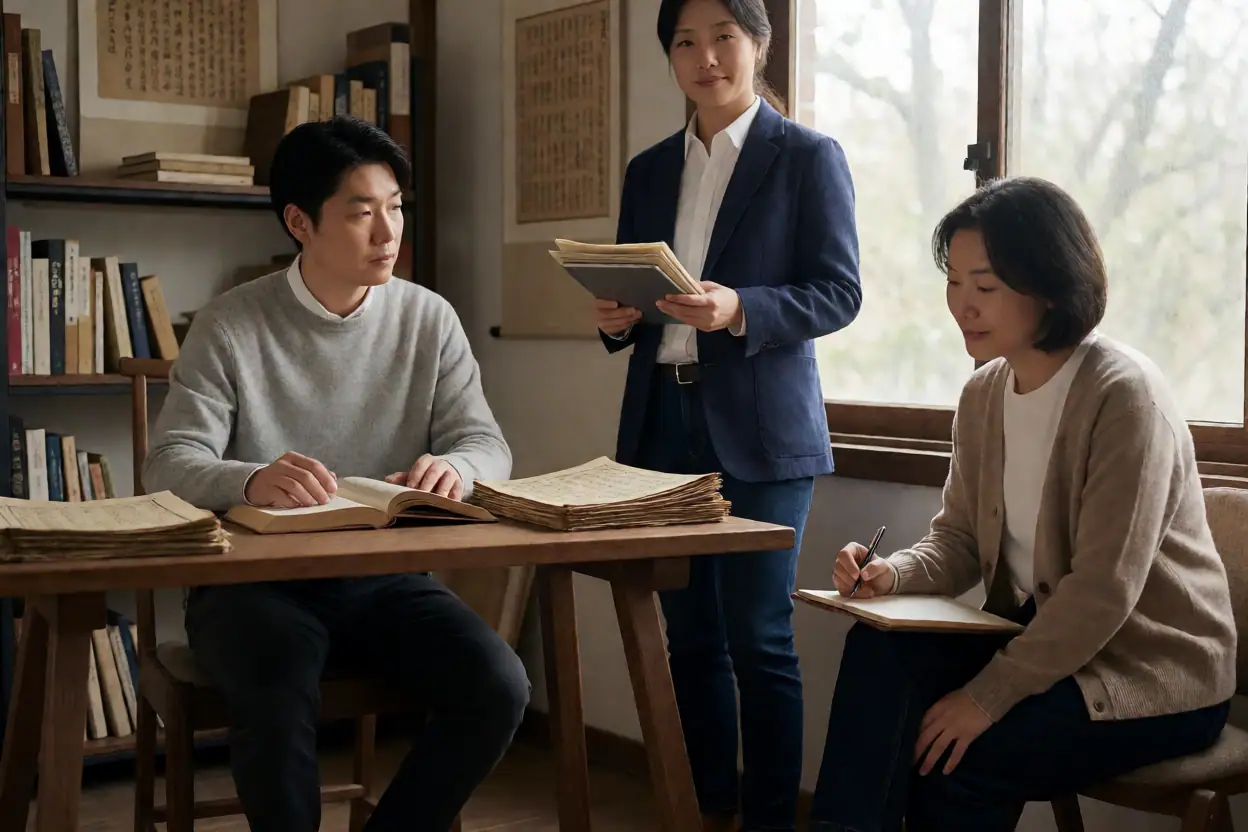
Records about figures bearing a surname preserve not only individual deeds but may also provide clues about family migration, local activities, and cultural transmission. Zou Shan, Zou Liang, and Zou Dan, as recorded in existing sources, lived in different periods and had different native places and experiences. Their shared Zou surname alone is not enough to establish that they belonged to the same lineage, but their information can serve as a starting point for searching genealogies and local documents.
Zou Shan is recorded as a native of Anfu, Jiangxi, in the Ming dynasty, with the style name Yingquan, and with a clue identifying him as the son of Zou Shouyi. The relevant entry states that he passed the jinshi examination in the 35th year of the Jiajing reign, served as a Vice Director in the Ministry of Justice and as an Education Administration Commissioner in Shandong, and lectured to students during his tenure. In the early Wanli period, he successively served as Right Administration Commissioner of Guangdong, then returned home due to illness, and was later granted the title of Minister of the Court of Imperial Sacrifices upon retirement. These details concern the civil service examination, official positions, kinship, and circumstances of his return home, and can be checked separately against jinshi examination registers, Ming official records, local gazetteers of Anfu, and local Zou genealogies. In particular, the father-son relationship and the sequence of his appointments should not be used to construct a lineage independently of primary sources.
Zou Liang is recorded as a native of Lean, Jiangxi, in the Ming dynasty, who passed the jinshi examination in the 13th year of the Yongle reign and was initially appointed magistrate of Songxi. The entry also states that local silver mines caused hardship for the people, and that he memorialized the court requesting their suspension and abolition. He was later promoted to prefect of Hengzhou, and clues to works such as Four Books: Collected Explanations and Record of Preservation and Cultivation are also recorded. Further research could begin with the local gazetteers of Lean, Songxi, and Hengzhou, checking biographical accounts, official rosters, literary and arts sections, and records of mining administration. The titles of the works should be verified against ancient book catalogs to determine whether they survive and whether variant titles or works with the same titles exist.
Zou Dan lived much earlier and is recorded as a figure of the Liu Song dynasty. He once served as a Registrar and Military Aide of the Light Chariot General; another account calls him a Commandant of Light Chariots. Surviving catalogs also record his three-volume Sounds of the Records of the Grand Historian. Because the accounts of his official position are inconsistent, his career requires comparative analysis of official histories, ancient book catalogs, and later materials preserving lost texts. A title recorded in a catalog shows that the work was once documented, but does not necessarily mean that a complete extant copy exists today.
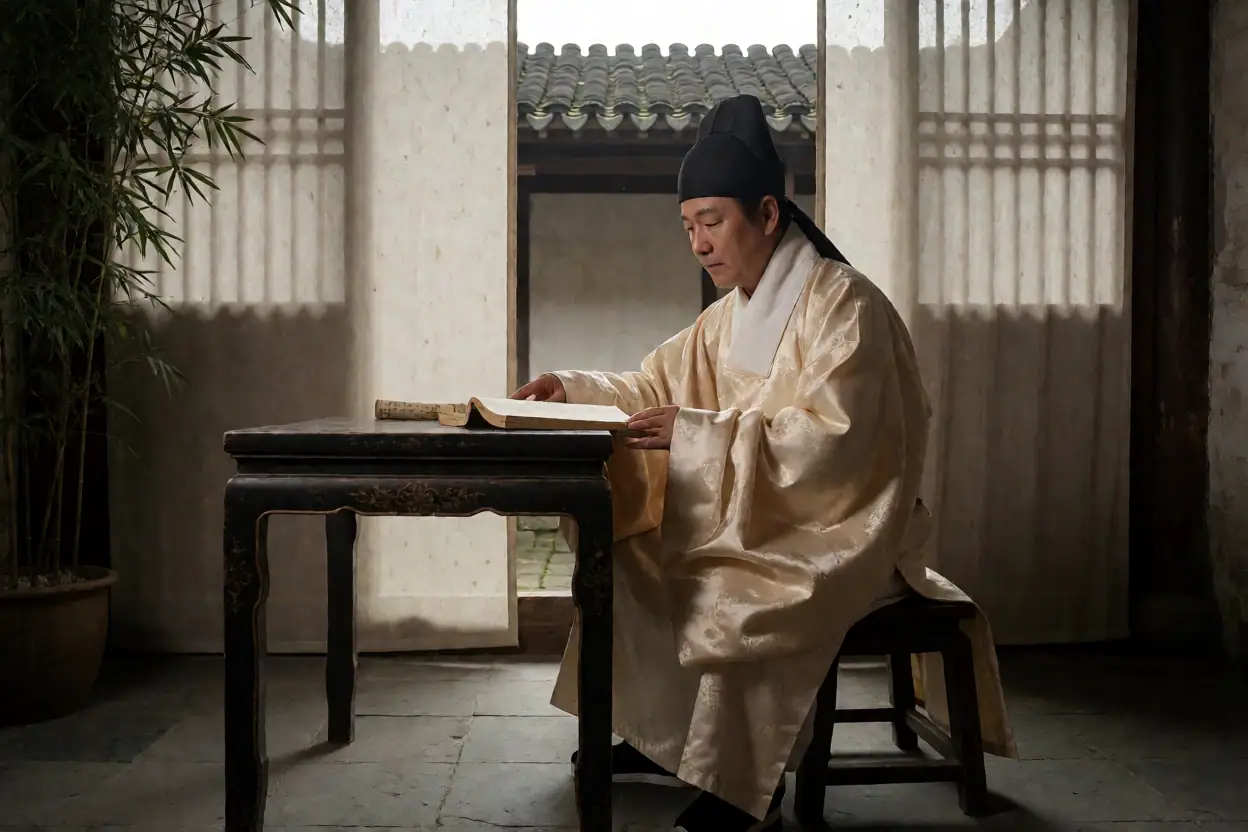
When organizing records on Zou figures, care should also be taken not to conflate place names, surnames, and clan relationships. For example, in “Bai families of Zoucheng,” “Zoucheng” is geographical information and cannot be used as a basis for placing them within the Zou surname lineage. The ZongMai archives on the Bai surname summarize multiple origin-line narratives, including Bai Gongsheng and Bai Di, and list Nanyang Hall as well as Nanyang, Taiyuan, Jingzhao, and other commanderies of origin. This illustrates precisely that different origin lines may exist within a single surname; still less should people be assumed to belong to the same lineage merely because place names are similar or historical legends are connected.
A more reliable path for tracing origins is to begin by creating profiles for individuals in a surname information database, then use online genealogical records to document known relatives, generation names, places of residence, and dates, while compiling oral accounts from older family members into a family memoir. Next, use local gazetteer databases to verify information on civil service examinations, official careers, migrations, and writings, and preserve evidence such as genealogy prefaces, inscriptions, epitaphs, and contracts. Only when multiple types of material corroborate one another in terms of time, place, and kinship is it appropriate to suggest that specific lineages may be connected.