How Surnames Took Shape Through Place Names: Where Regional Memory Meets Family Lineage
Many settlement names contain regional markers such as “zhuang,” “ji,” “tun,” “dian,” and “zhai,” some of which may be associated with the surnames of early inhabitants. However, place names and surnames do not correspond on a one-to-one basis; identifying a specific family branch still requires comprehensive research using genealogies, local gazetteers, inscriptions, and family memory.
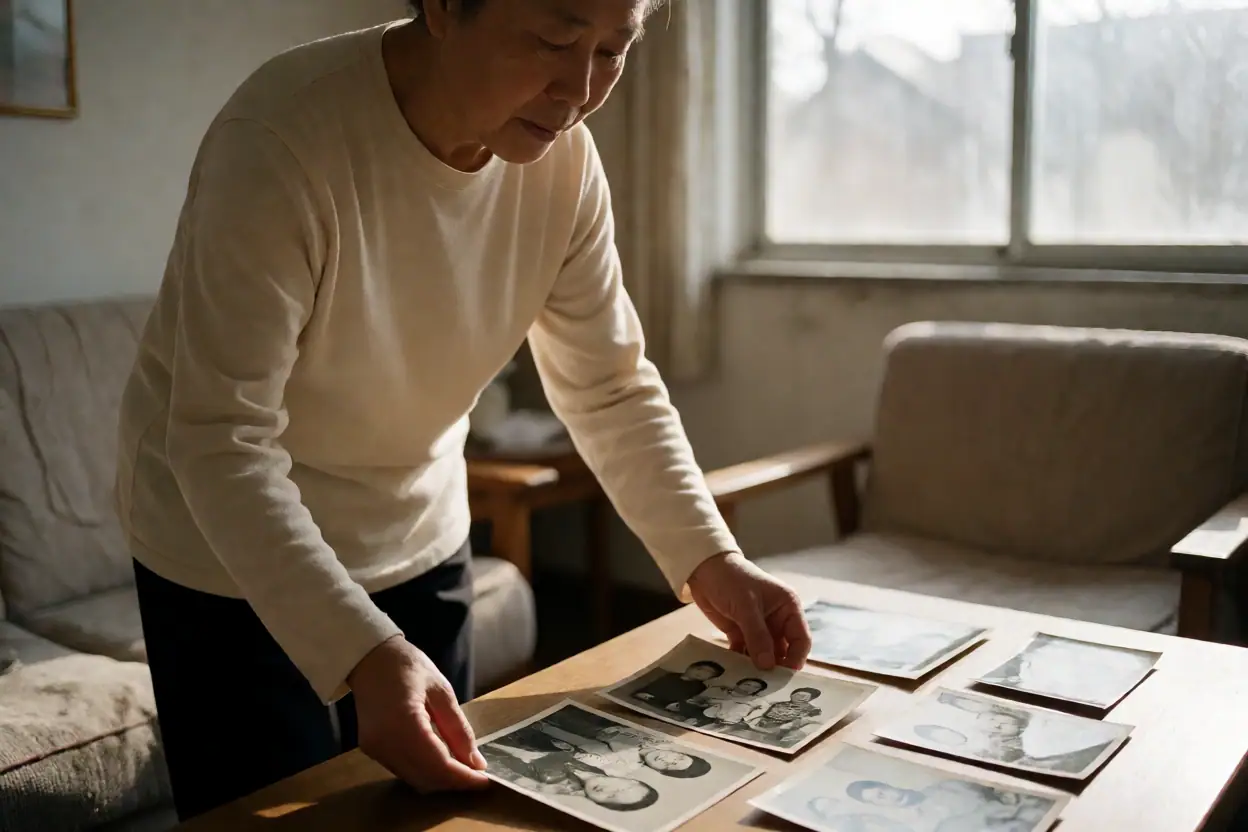
In Chinese surname culture, place names and surnames have often left traces of one another. Names such as Zhanggezhuang, Liuzhuang, Lijia Village, Wangjiatun, and Zhaodian appear on the surface to be geographical designations, but they may record the early settlement of a particular household or clan. As settlements expanded, names originally used to distinguish residences gradually became fixed, giving rise to village, market-town, or fortified-settlement names associated with particular surnames. Conversely, some surnames originated from fiefs, states, appanages, or places of residence, thus reflecting the practice of “taking a place as one’s surname.”
However, seeing a village or settlement named after a particular surname does not directly establish that its residents are descendants of the same ancestral line. A place name may have been derived from its founders, administrators, an earlier designation, a dialect pronunciation, or later administrative changes; the same place name may also recur in different regions. Historical migration, surname changes, bestowed surnames, the integration of different groups, and the relocation of different family branches have further given the relationship between place names and surnames a multifaceted character. Place names can therefore serve as clues in tracing one’s roots, but they cannot independently establish a lineage conclusion.
Some regional surveys have shown that the proportion of rural settlements named after surnames varies markedly from one area to another: in some places, it is less than 20 percent, while in others it approaches or exceeds half. Such figures can demonstrate the widespread nature of surname-based place names and also reflect differences in local development histories, settlement patterns, and group structures. However, the statistical definitions, survey periods, and methods of classifying place names may not be consistent, so these figures cannot be used to calculate the precise number of surname origins nationwide. Settlements in areas inhabited predominantly by ethnic minority groups may likewise be named after surnames, tribal names, or family designations, but their linguistic forms and historical backgrounds require interpretation in conjunction with local documents.
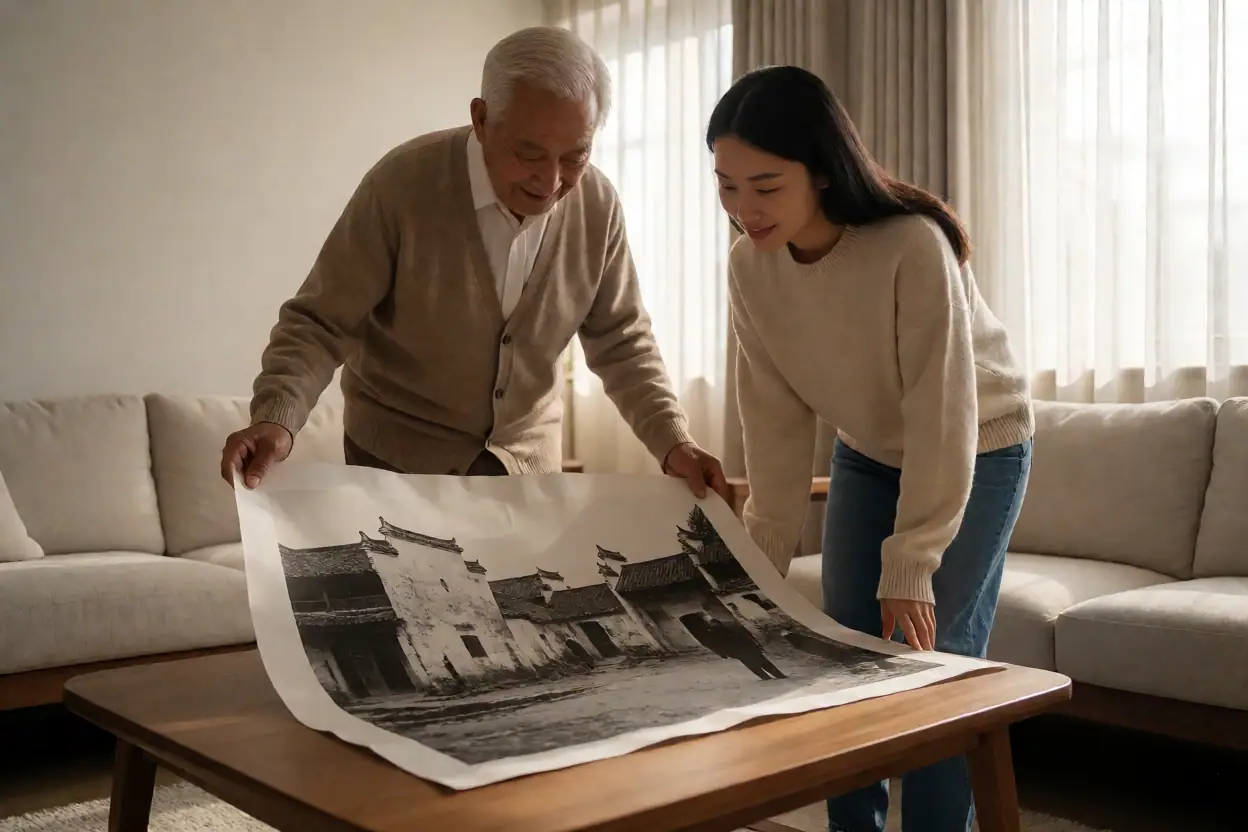
To investigate whether a particular surname originated from a place name, several aspects generally need to be corroborated. First, consult surname-related sources to learn about origin legends, ancestral commanderies, lineage halls, and possible clues relating to fiefs. Second, compare online genealogies, prefaces to old genealogies, lineage tables, tomb inscriptions, and ancestral hall records to trace the first ancestor to migrate to the area and the routes of migration. Third, consult county gazetteers, township gazetteers, place-name gazetteers, and historical maps to establish when the place name first appeared and how it evolved. Fourth, organize family memoirs and oral accounts, and cross-check information such as generation names, marriages, ancestral homes, and relocations against documentary sources. In the course of tracing one’s roots, a shared lineage-hall name, similar generation names, or neighboring places of residence can serve only as supporting clues.
The “的” surname has already been included in the current surname database, but its origin, ancestral commanderies, lineage hall, generation names, and migration history still require further supplementation. If a family preserves genealogical records, epitaphs, contracts for ancestral homes, inscriptions from ancestral halls, or relatively complete oral memories, these materials can first be organized by time, place, and person, and then compared item by item with online genealogies and local gazetteers. Only when multiple sources corroborate one another can the relationship between a particular branch and a specific place name be discussed with reasonable confidence.
Learn More and Verify
- The Compilation of the Tengzhou Xiaowu Duan Clan Genealogy and Family Memories
- Examining Memories of 解 Clan Figures and Family Lineages
- A Study of the Tong Surname in Guishan Village, Haiyang: Place-Name Evolution and Family Memories
- Tracing Roots Under an Assumed Surname: The Convergence of Rugao Memories and Genealogical Clues
Genealogy Knowledge and Methods for Compiling Genealogies · Finding Genealogies and Local Gazetteers · Organize family-root-seeking leads